
The Minister for Roads and Highways, Hon. Kwame Governs Agbodza, has affirmed that all projects executed under the government’s Big Push infrastructure programme have undergone rigorous value for money audits and have been cleared.
Addressing concerns about procurement practices and contract awards, the minister stated unequivocally that every contract, including those awarded through sole sourcing, has been subjected to thorough financial and technical assessment.
“Yes, all of them have been subjected to a value for money audit, and they’ve been cleared,” he said, responding to questions on whether the contracts had been independently evaluated.
The Big Push programme, which represents a major investment in road and infrastructure development, has come under public scrutiny in the last few days. Critics have raised concerns about procurement methods and cost efficiency, particularly in relation to sole sourced contracts.
However, Hon. Agbodza dismissed suggestions of irregularities, explaining that the auditing process is embedded within the project lifecycle. He noted that value for money assessments are not limited to initial contract evaluation but extend throughout project execution and even after completion.
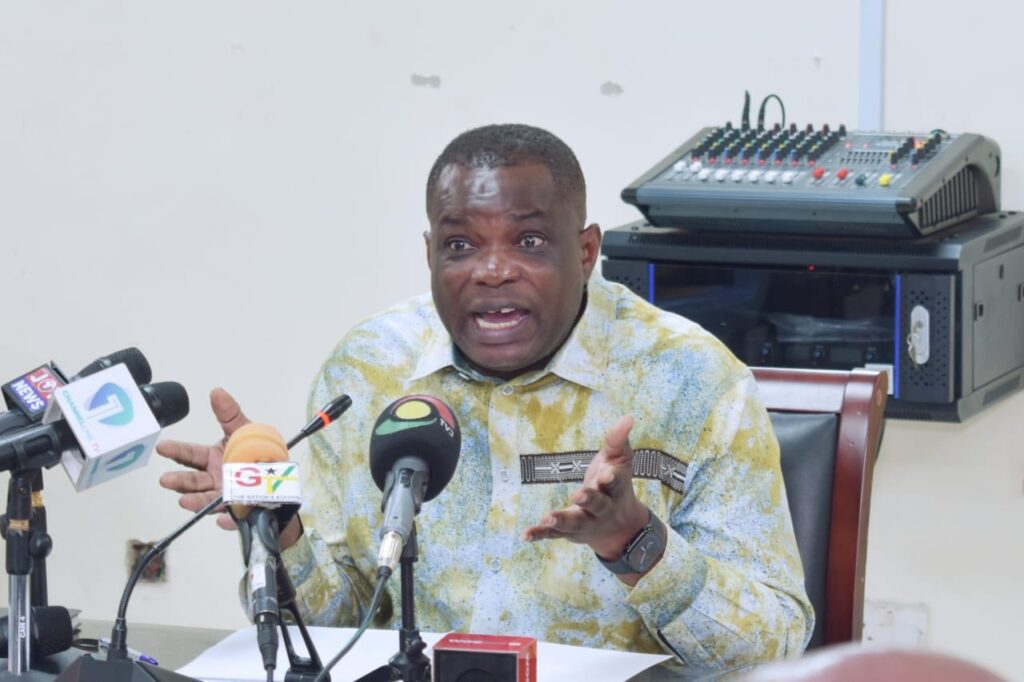
He further explained that where projects begin before audits are fully concluded, contractual agreements ensure that final payments are aligned with audit outcomes.
“Whenever we are unable to complete the value for money assessment before we go to the site, we agree that whatever comes out of the audit is what we will pay”.
Minister for Roads and Highways, Hon. Kwame Governs Agbodza
This approach, according to the minister, provides a safeguard against inflated costs and ensures that contractors remain accountable for the quality and efficiency of their work.
Collaboration with Professional Bodies
A key element of the auditing process involves collaboration with the Ghana Institution of Surveyors, which plays a central role in conducting value for money assessments.
Hon. Agbodza indicated that the Ministry is working closely with the institution to strengthen its capacity, particularly in licensing more professionals to undertake such audits.
He noted that expanding the pool of certified value for money consultants will improve the efficiency and credibility of the auditing process. This initiative is part of broader efforts to institutionalise financial oversight within the infrastructure sector.
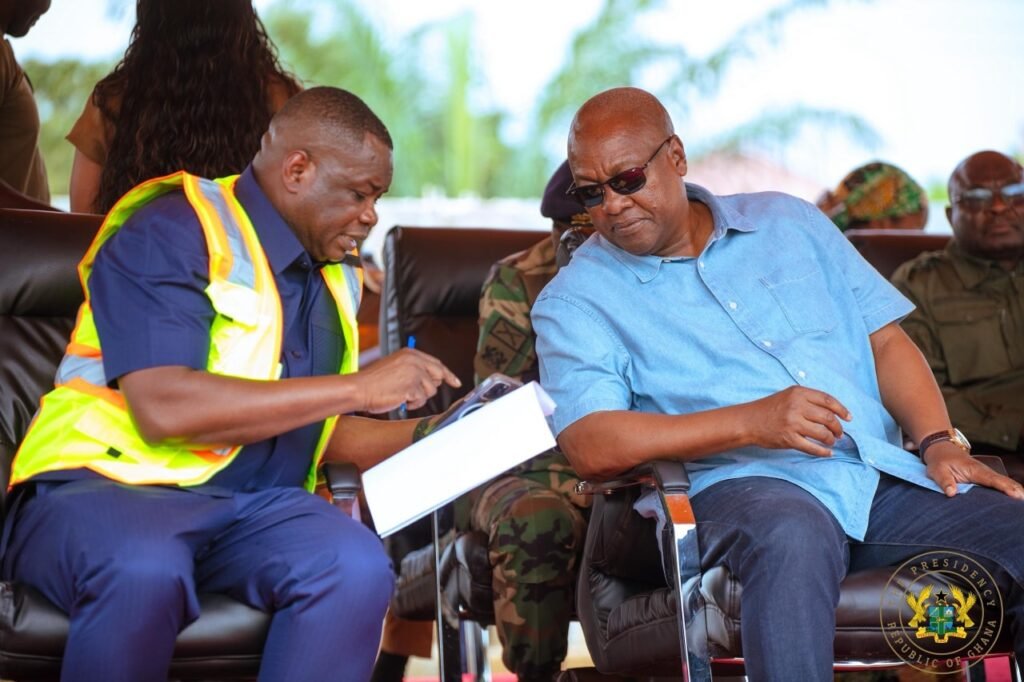
According to the minister, the goal is to create a system similar to financial auditing, where independent professionals are licensed to assess public projects. This would enhance transparency and ensure consistent standards across all infrastructure investments.
The minister emphasised that value for money goes beyond the initial cost of a project. It includes long-term performance, durability, and overall impact. He explained that the auditing framework is designed to evaluate the entire lifecycle of a project, from planning and construction to post-completion performance.
“So value for money is not only about how much things cost. It is also about how much value they deliver,” he said. This broader definition allows authorities to hold contractors accountable for the quality of their work over time.
For example, if a road deteriorates prematurely due to poor construction, the auditing framework can identify deficiencies and trigger corrective action. Hon. Agbodza noted that such measures are essential for ensuring that public funds are used effectively and that infrastructure projects deliver lasting benefits.
Openness to Criticism and Collaboration
Despite defending the integrity of the programme, the minister expressed openness to criticism and collaboration with stakeholders. He acknowledged that feedback, even when critical, can contribute to improving project outcomes.
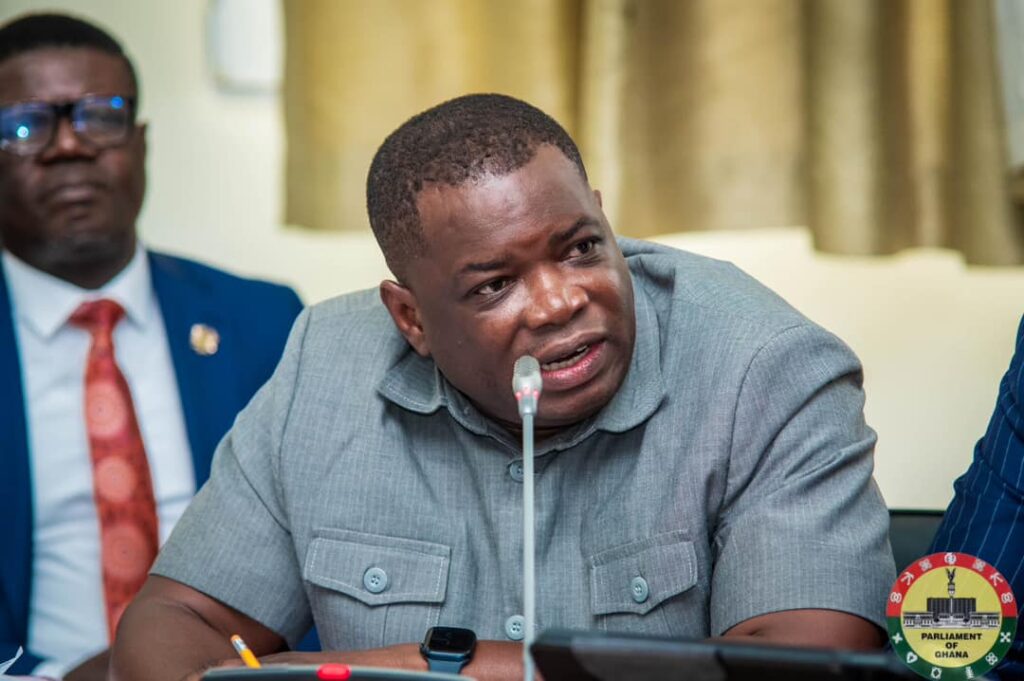
He also indicated a willingness to engage with civil society actors and analysts who have raised concerns about the programme, suggesting that there is still room for improvement as the projects continue.
“I am not opposed to anybody. The fact that you oppose me does not mean you do not like me. You genuinely want to help. The Big Push project is not finished. We can still collaborate and work together to deliver it in a better form to Ghanaians”.
Minister for Roads and Highways, Hon. Kwame Governs Agbodza
The Ministry’s approach reflects a broader effort to strengthen institutional frameworks governing public infrastructure. In addition to project specific audits, there are plans to introduce multiple layers of oversight, including post completion evaluations.
These measures are expected to enhance accountability and reduce the risk of inefficiencies or misuse of public resources. By embedding auditing mechanisms at different stages, the government aims to ensure that projects meet both financial and technical standards.
Hon. Agbodza also highlighted ongoing efforts by the Finance Ministry to centralise aspects of value for money auditing, creating a more coordinated and effective system.
Public Interest and Responsible Spending
The minister reiterated that the funds being used for the Big Push programme belong to the Ghanaian people and must therefore be managed responsibly. “The money we are using is not my money,” he said, underscoring the importance of transparency and accountability in public spending.
He stressed that every decision taken under the programme is guided by the need to deliver value to citizens, improve infrastructure, and support economic development.
As the Big Push initiative progresses, the government’s emphasis on value for money auditing is expected to remain a central pillar of its implementation strategy.
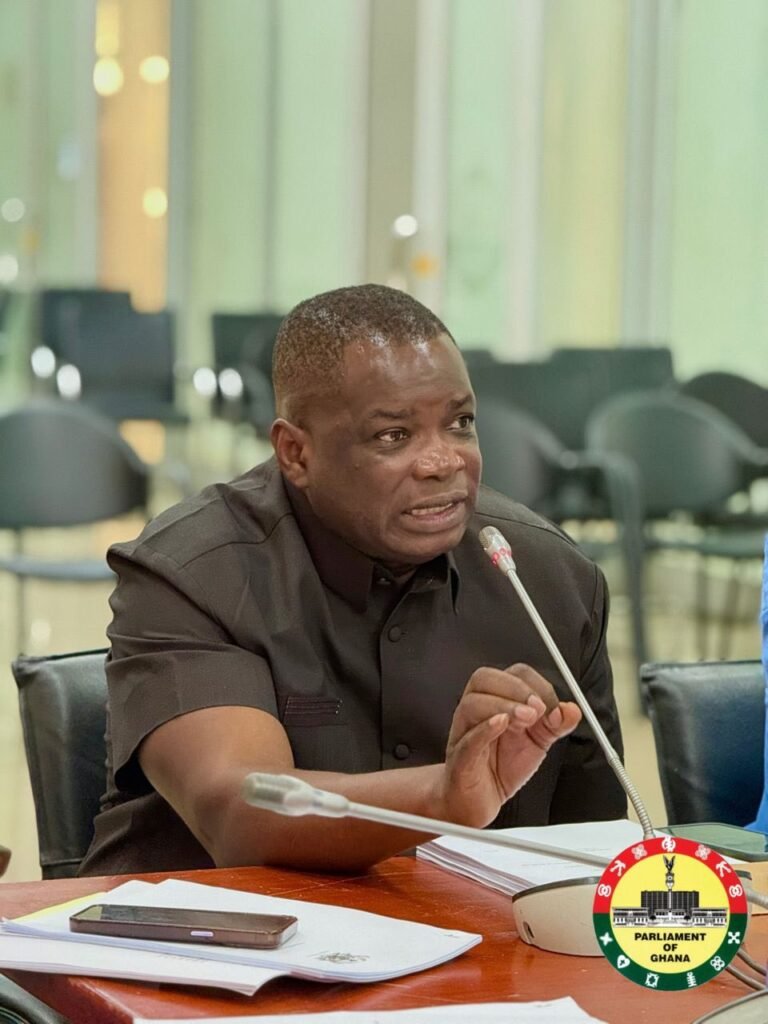
While debates over procurement methods and cost efficiency may continue, the Ministry maintains that the safeguards in place are sufficient to ensure integrity and accountability.
With ongoing collaboration between government agencies, professional bodies, and stakeholders, the programme aims to deliver high quality infrastructure that meets the needs of the country.
The minister’s assurances are likely to shape public perception of the initiative, reinforcing confidence in the government’s commitment to responsible project delivery.
READ ALSO: Africa Must Integrate or Miss Fintech Boom- BoG Governor