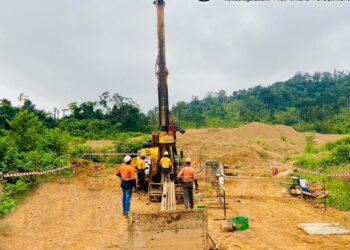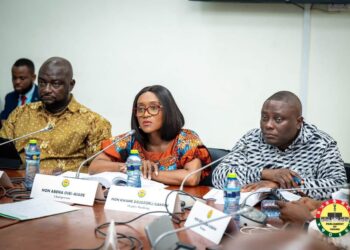
Minority caucus of Parliament has intensified their oversight of the extractive sector by demanding the immediate and unconditional publication of all documentation related to the Damang Mine tender process.
This aggressive call for transparency follows what the caucus describes as a “smelling” transition process that lacks the necessary procedural integrity required for such a significant national asset.
The opposition is insisting on the release of formal tender initiation dates, the specific evaluation criteria utilized, the composition of the tender committee, and the underlying evaluation methodology used to vet potential successors to ensure full compliance with the Minerals and Mining (Licensing) Regulations, 2012 (LI 2176).
“Under the Damang process, we call for the immediate publication of the full documentation, including the date of formal tender initiation, the criteria, the tender committee’s composition, and the evaluation methodology in compliance with LI 2176. Two, compulsory disclosure of the full beneficial ownership of our trade bidding entities, including E & P connections with compliance of Ghana’s EITI corrective action obligations, because we are beginning to smell a rat that the two other companies that are in the bidding process of E & P, something smells.”
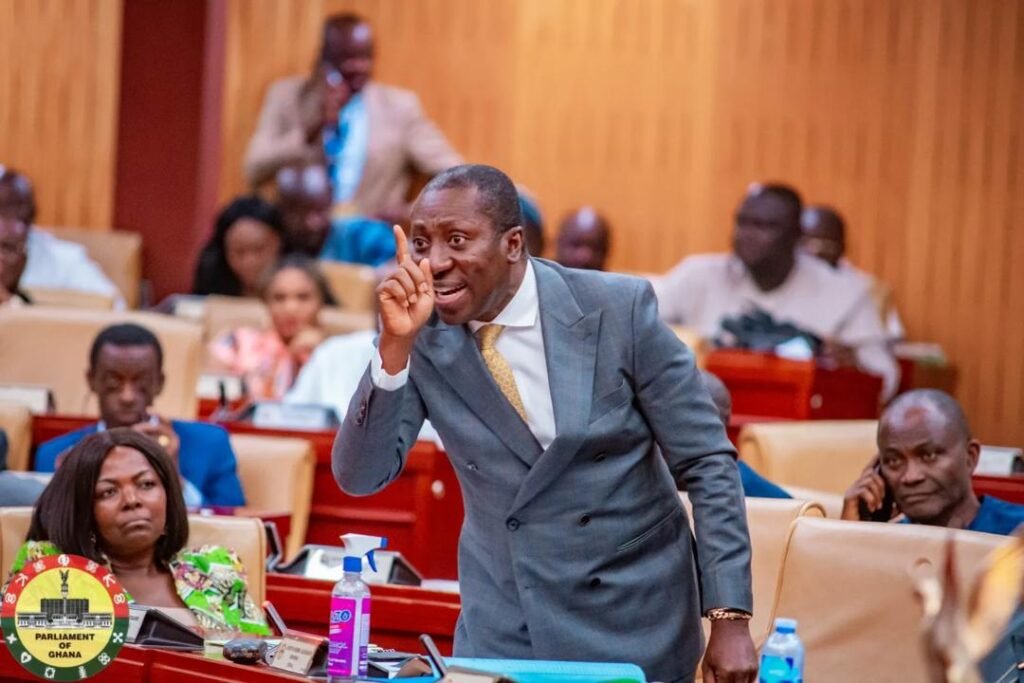
Hon. Kwaku Ampratwum-Sarpong, the Ranking Member on the Committee on Lands and Natural Resources.
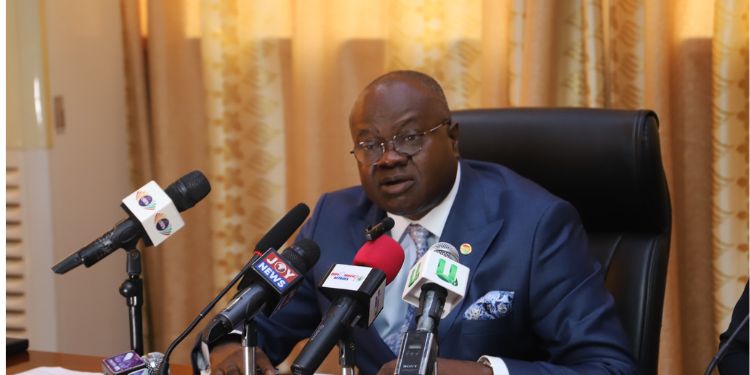
Expanding on the caucus’s position, he highlighted a perceived lack of transparency regarding the “beneficial ownership” of entities currently bidding for the mine.
The Ranking Member, Hon. Kwaku Ampratwum-Sarpong noted that while Engineers and Planners (E&P) was initially the sole visible contender, two additional companies have suddenly “metamorphosed from high heavens” to join the bidding process only after public scrutiny was raised last week.
Consequently, the Minority is pushing for compulsory disclosure of the full beneficial ownership of all trade bidding entities, specifically citing the need to verify connections with E&P and ensuring adherence to Ghana’s Extractive Industries Transparency Initiative (EITI) corrective action obligations.
Alleged Conflicts of Interest and State Capture
The Minority’s agitation is deeply rooted in allegations of “state capture” and “professional or financial connections” between regulators and the lead bidders.
Hon. Ampratwum-Sarpong claimed that the “key persons now leading the Minerals Commission” share past professional relationships with Engineers and Planners (E&P) prior to their official appointments.
This overlap has sparked fears that the regulatory body is compromised, leading the caucus to demand the “mandatory recusal” of any Minerals Commission official with such ties to ensure the evaluation remains untainted.
Furthermore, the caucus expressed disbelief at the timing of the new entrants in the bidding pool. According to the Ranking Member, the sudden appearance of two other companies suggests a “smell of a rat,” hinting that these entities may have been introduced merely to create an illusion of competition.
The Minority contends that if the process were truly transparent, the identities and track records of these companies would have been clear from the onset, rather than appearing “from high heavens” only after the Minority “made some noise” regarding the exclusivity of E&P’s involvement.
Halting the Award and Ensuring Accountability

To prevent what they describe as a “terribly smelling” deal, the Committee on Lands and Natural Resources is calling for an “immediate freeze” of all paid award mobilisations by Engineers and Planners until a “lawful, transparent, and documented tender process” is concluded.
This suspension is intended to allow for a comprehensive ministerial briefing supported by exhaustive documentation to be presented to the Committee before any recommendations are transmitted to the Cabinet.
The Minority maintains that the workers at Damang and the wider Ghanaian community deserve a process grounded in democratic accountability rather than one characterized by “family monopoly” and opaque dealings.
The call for a full parliamentary briefing is seen as a final safeguard against the executive’s unilateral decision-making.
By insisting that the Committee on Lands and Natural Resources reviews the documentation before any final award is made, the Minority aims to subject the Damang deal to the highest level of legislative scrutiny.
This move is intended to protect the interests of the local communities who rely on the mine for their livelihoods and to ensure that the eventual operator has the technical and financial capacity to manage the site responsibly, rather than simply having the right political connections.
The Role of Disclosure in Restoring Public Trust

The disclosure of these documents is expected to serve as a critical litmus test for the government’s commitment to the rule of law in the mining sector.
By making the evaluation methodology and committee composition public, the state can effectively “clear the doubt” surrounding the sudden emergence of new bidders and the alleged favoritism toward the President’s associates.
Under LI 2176, the licensing process must follow a strict cadastral and gazetting timeline; providing evidence of this would provide the legal “paper trail” needed to prove the process wasn’t rushed or manipulated to suit a specific outcome.
Furthermore, aligning with EITI standards on beneficial ownership would reveal the “natural persons” behind the new bidders.
This level of granular detail is essential to silencing rumors of “fronting” or the use of shell companies created to give a veneer of competition to a pre-determined result.
Comprehensive disclosure would transform the Damang deal from a source of political suspicion into a benchmark for extractive transparency in Ghana.
Without these documents, the Minority warned that the “legal challenge and democratic accountability” from the Ghanaian people will ultimately hold the officials involved responsible for what they view as a betrayal of public trust.
READ ALSO: Agriculture Minister Unveils Ghana’s Tomato Self-Sufficiency Plan