The United Nations Refugee Agency (UNHCR) has called for urgent support in Lebanon as humanitarian crises looms.
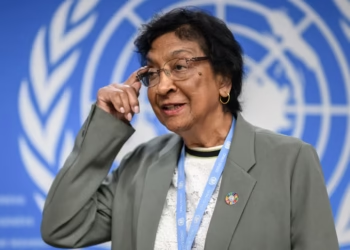
According to Karolina Lindholm Billing, UNHCR Representative in Lebanon, nearly a month into a rapidly escalating conflict, Lebanon is facing a rapidly deteriorating humanitarian emergency as escalating conflict and mass displacement strain already fragile systems.
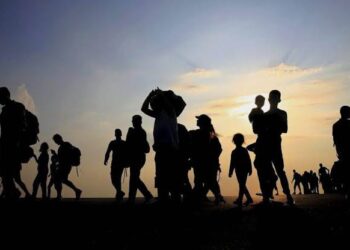
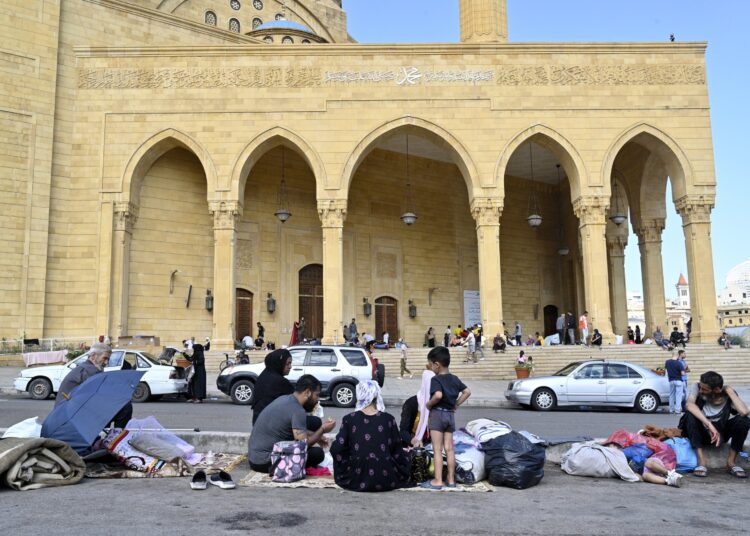
“Since 2 March, following intense Israeli strikes and widespread evacuation orders, more than 1 million people one in five residents have been forced to flee their homes. Displacement now stretches from the south and the Bekaa to Beirut and the north, and numbers continue to rise.”
Karolina Lindholm Billing
She indicated that, humanitarian access has also been severely constrained. The destruction of key infrastructure, including bridges in southern Lebanon, has isolated entire districts and cut off essential supply routes. More than 150,000 people are now affected by restricted access, complicating relief efforts and the delivery of aid.
Humanitarian access has also been severely constrained. The destruction of key infrastructure, including bridges in southern Lebanon, has isolated entire districts and cut off essential supply routes. More than 150,000 people are now affected by restricted access, complicating relief efforts and the delivery of aid.
“Many of the families that we at UNHCR, the UN Refugee Agency, meet daily are displaced for the second or third time. Several have returned to the same school where they found shelter in 2024. Today, more than 136,000 displaced people are staying in 660 collective shelters, most of them schools, filled far beyond capacity. Overcrowding, shared classrooms and limited access to sanitation and other basic services significantly increase protection risks, including exposure to exploitation and gender-based violence.”
Karolina Lindholm Billing
The UNHCR Representative in Lebanon further disclosed that despite these challenges, coordinated efforts between authorities, aid agencies, and local partners continue to provide some relief.
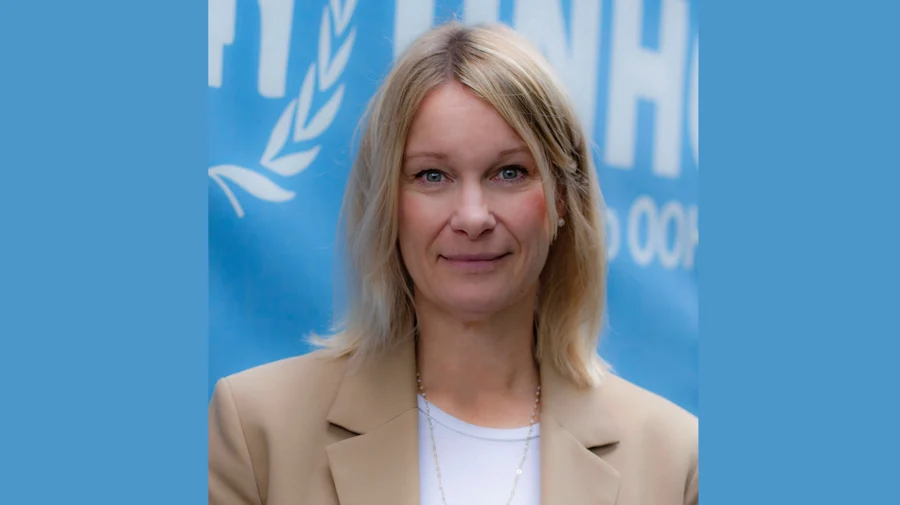
“UNHCR continues to lead the protection and shelter sectors together with the Ministry of Social Affairs and NGO partners, and has delivered over 198,000 essential relief items, while working to improve privacy and dignity within shelters. So far, UNHCR and partners have supported more than 27,000 people with protection services, including psychosocial support, recreational activities, counselling and targeted assistance for the most vulnerable. With adequate funding for our initial appeal of more than $60 million, we can scale up these programmes within the inter-agency response.”
UNHCR Representative in Lebanon
This support goes beyond the immediate emergency by strengthening national protection and social systems that the government has been working to reform. “By responding to urgent needs today, we simultaneously invest in their long-term sustainability and resilience,” she added.
UNHCR officials emphasize that civilians must be protected at all times under international law. For many displaced families, the primary desire remains a safe return to their homes.
Until conditions allow for that, humanitarian organizations stress that sustained international support is essential to prevent the situation from spiraling further.
UK Boosts Lebanon Aid with £2M Humanitarian Funds

Meanwhile, the United Kingdom has boosted Lebanon Aid with £2M Humanitarian Funds as the United Kingdom steps up its response to the worsening humanitarian situation in Lebanon with a fresh injection of financial support aimed at addressing urgent needs across vulnerable communities.
UK Foreign Secretary, Yvette Cooper, announced at the G7 foreign ministers meeting in France that an additional £2 million in UK humanitarian funding to Lebanon bringing our total contribution to £9.5 million since the beginning of the conflict.
This announcement comes amid growing international concern over Lebanon’s deteriorating conditions, with aid agencies warning that essential services are under severe strain. Years of economic decline, currency depreciation, and political uncertainty have significantly weakened Lebanon’s public institutions, limiting their ability to meet basic needs such as healthcare, food security, clean water, and shelter.
As a result, millions of residents particularly low-income households and displaced individuals have become increasingly reliant on humanitarian assistance to survive.
The newly announced funds will be directed through the United Nations Office for the Coordination of Humanitarian Affairs via its Lebanon Humanitarian Fund (LHF), a pooled financing mechanism designed to deliver rapid and targeted assistance.
The LHF also supports a wide range of interventions, including food distribution, medical services, water and sanitation programs, emergency shelter provision, and protection services for vulnerable groups such as women and children.
British Ambassador to Lebanon Hamish Cowell highlighted the seriousness of the situation, noting the UK’s continued commitment to supporting vulnerable communities at a time of escalating humanitarian pressures.
“The UK remains deeply concerned about the worsening humanitarian situation in Lebanon. The Foreign Secretary announced additional humanitarian funding to support vulnerable communities across the country. We will continue to coordinate with the Government of Lebanon and humanitarian partners.”
Hamish Cowell
READ ALSO : Ramaphosa Shrugs Off Reports of Withdrawn G7 Invitation