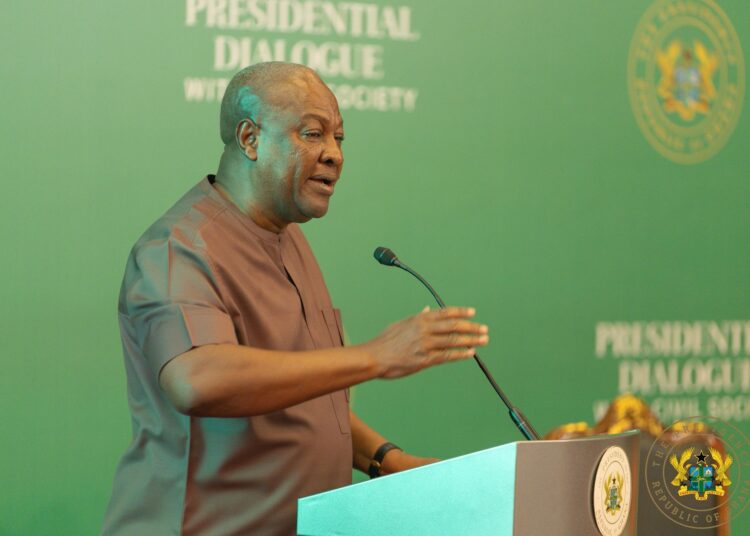
President John Dramani Mahama has announced a landmark $2 billion investment agreement for the Jubilee Field aimed at drilling approximately 30 new wells to significantly bolster Ghana’s domestic gas supply.
The President disclosed that this strategic expansion is part of a broader “energy security” roadmap designed to transition the national grid fully toward natural gas, thereby insulating the economy from the volatility of global liquid fuel prices.
The investment, formalized through a Memorandum of Understanding (MOU), seeks to optimize the Jubilee Field’s output to meet the growing demands of Ghana’s thermal power plants.
“Then also, the Jubilee field, we’ve signed an MOU with them to invest another $2 billion to drill almost 30 new wells to increase the gas flow from the Jubilee field.”
President John Dramani Mahama
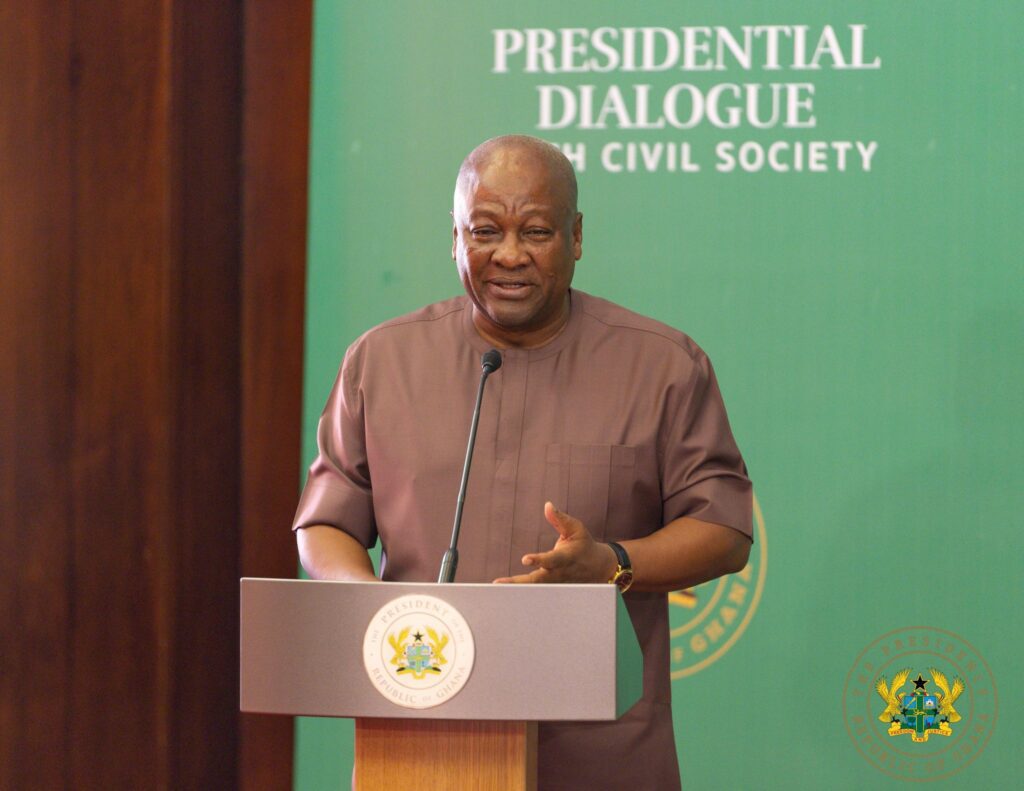
To accommodate these anticipated volumes, President Mahama emphasized the urgent necessity of constructing a “second gas train,” noting that the existing processing infrastructure is nearing its capacity limits.
This expansion is expected to be complemented by a further $1.5 billion investment from ENI in the Offshore Cape Three Points (OCTP) area, effectively positioning Ghana as a net exporter of electricity to neighboring Sahelian nations like Burkina Faso.
Infrastructure Expansion and Thermal Transition
The shift toward a gas-led energy mix is no longer a luxury but a strategic necessity in the wake of global supply chain disruptions.
President Mahama pointed out that the ongoing geopolitical tensions in the Middle East and the blockade of the Strait of Hormuz have triggered a global shortage of Liquid Natural Gas (LNG), particularly affecting major exporters like Qatar.
By developing the “second gas train,” Ghana aims to create a closed-loop energy system where domestic gas powers domestic light.
The President noted that the Ministry of Finance has already worked to restore the World Bank’s “mega guarantee” for the Sankofa project to $500 million, ensuring that ENI and other partners have the financial confidence to increase gas flow.
“Because the guarantee was built back, ENI has increased the amount of gas they are giving us,” Mahama remarked, highlighting the link between fiscal discipline and energy availability.
Revitalizing TOR and Regional Value Chains

Beyond upstream extraction, the President expressed a renewed commitment to value addition through the Tema Oil Refinery (TOR).
Recalling the 2016 policy to refine local crude, he lamented the “intransparent conditions” under which previous crude parcels were discounted and sold.
However, he expressed optimism regarding TOR’s recent recovery, noting that the refinery has “started processing some crude oil” again, which will integrate the petroleum supply chain and reduce the cost of finished products.
Furthermore, the government is eyeing regional synergies to stabilize the downstream sector. President Mahama hinted at the possibility of a memorandum with the Dangote Refinery in Nigeria to secure finished petroleum products at competitive rates.
He suggested that while international market prices remain a benchmark, “entering into some memorandum with him [Dangote] to bring finished petroleum products” could provide an additional layer of resilience against global price shocks.
Economic Impact and the Green Transition
The realization of these targets is projected to save the Ghanaian economy hundreds of millions of dollars annually in foreign exchange currently spent on light crude oil imports.
By achieving gas self-sufficiency, the “cost of doing business will drop significantly,” as electricity tariffs become more predictable and lower for the manufacturing sector.
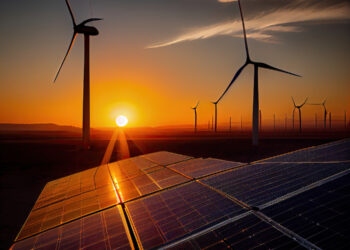
From an environmental standpoint, the transition to a 100% gas-powered thermal fleet serves as a critical bridge in Ghana’s green transition.
Natural gas remains a significantly cleaner alternative to the heavy fuel oils (HFO) and diesel previously used in the Enclave.
This $3.5 billion combined investment from the Jubilee partners and ENI represents the largest infusion of capital into the energy sector in a decade, signaling a robust future for Ghana’s quest to become the “power hub of West Africa.”
READ ALSO: Mahama Announces Free Primary Healthcare Launch on April 15