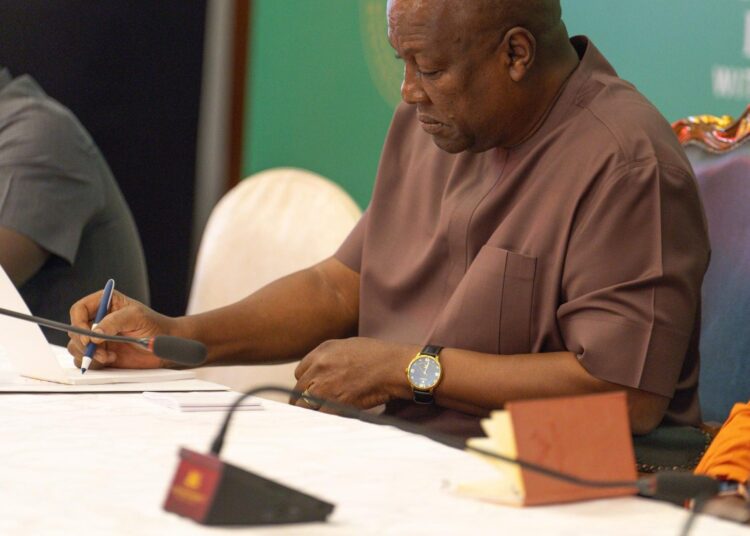
President John Dramani Mahama has announced a major shift in Ghana’s teacher recruitment system, revealing that future hiring will be conducted at the district level rather than through centralized postings.
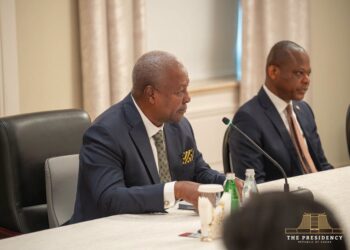
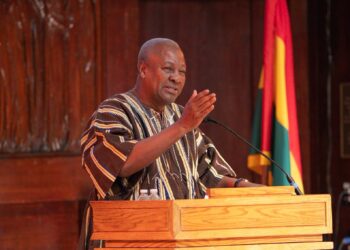
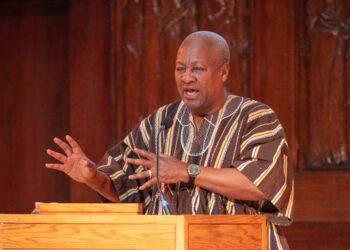
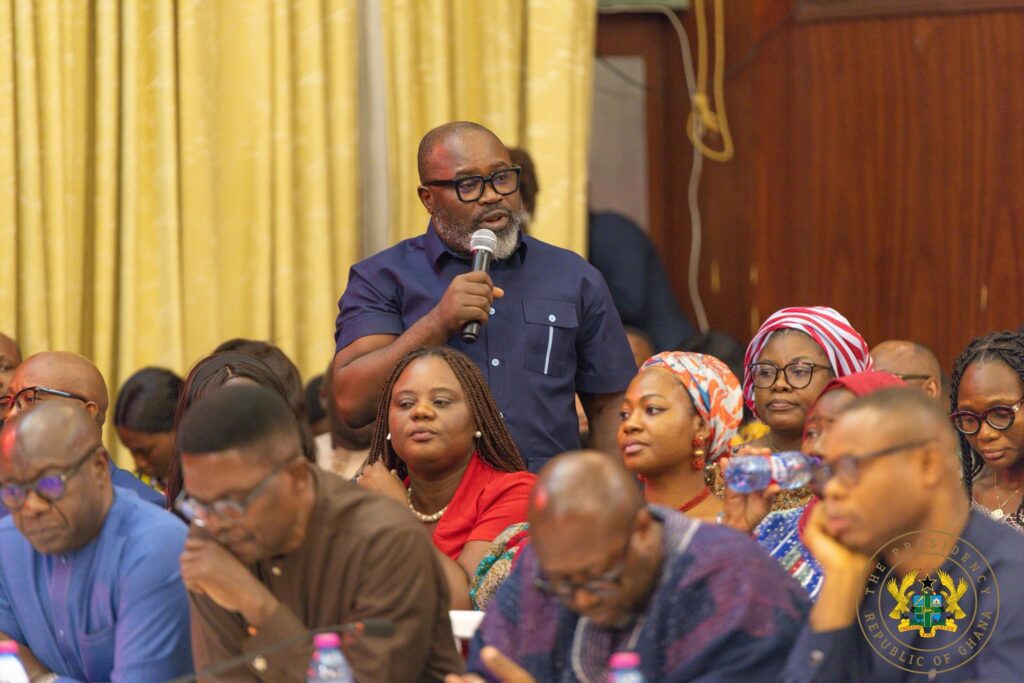
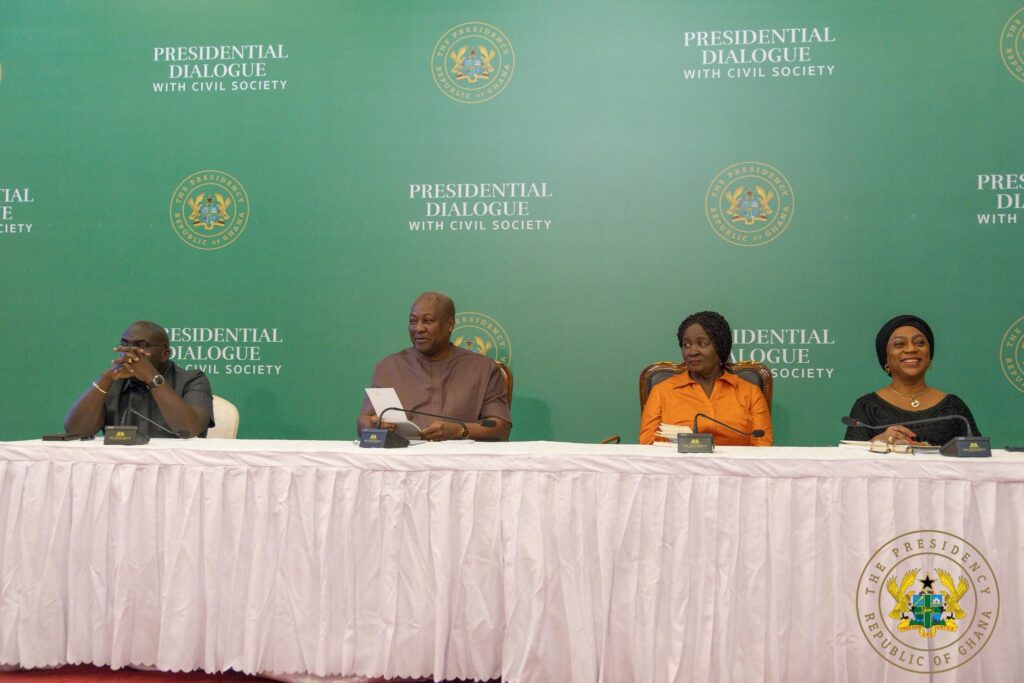
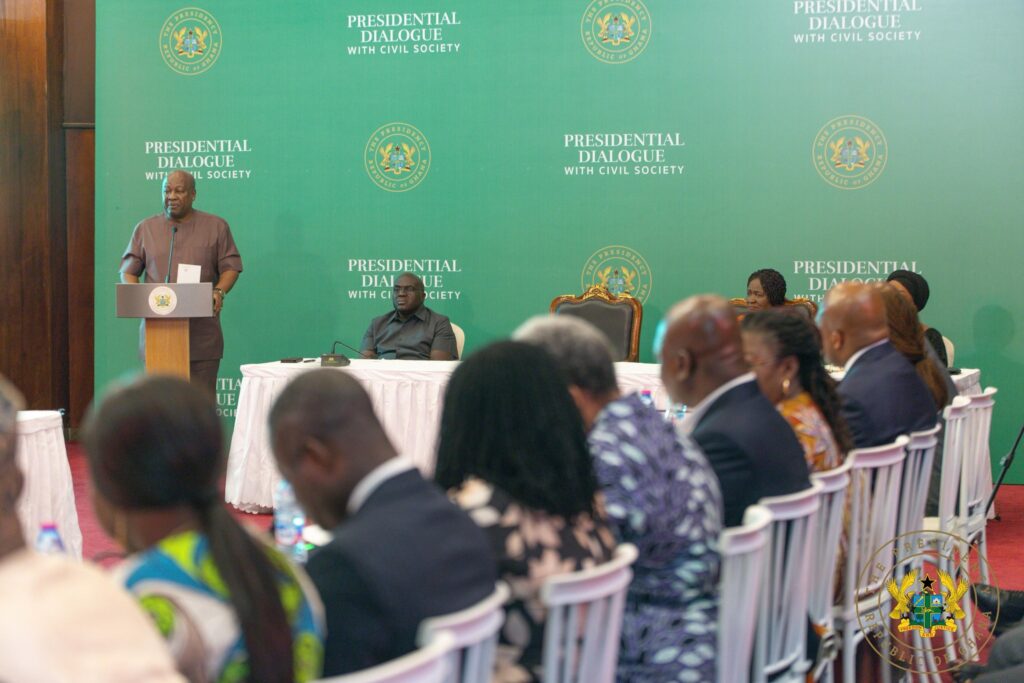
The policy was announced following a question asked by Africa Education Watch Executive Director Kofi Asare during a Presidential Dialogue with Civil Society Organisations at the Jubilee House, where the President addressed long-standing disparities in the distribution of teachers across the country.
The reform is expected to tackle the persistent imbalance between urban and rural schools, ensuring that underserved communities receive adequate teaching staff. According to the President, decentralising recruitment is a necessary step toward improving access to quality education nationwide.
President Mahama highlighted the historical role of dedicated teachers who served in remote areas, enabling many Ghanaians from rural backgrounds to access education and advance in life. He stressed that the current system has failed to replicate that commitment, resulting in a concentration of teachers in major cities.
“Until we find a way of disaggregating the distribution of teachers, we will continue to have a problem,” he stated. He explained that many trained teachers prefer postings in urban centres such as Accra, Kumasi, and Takoradi, leaving rural schools understaffed.
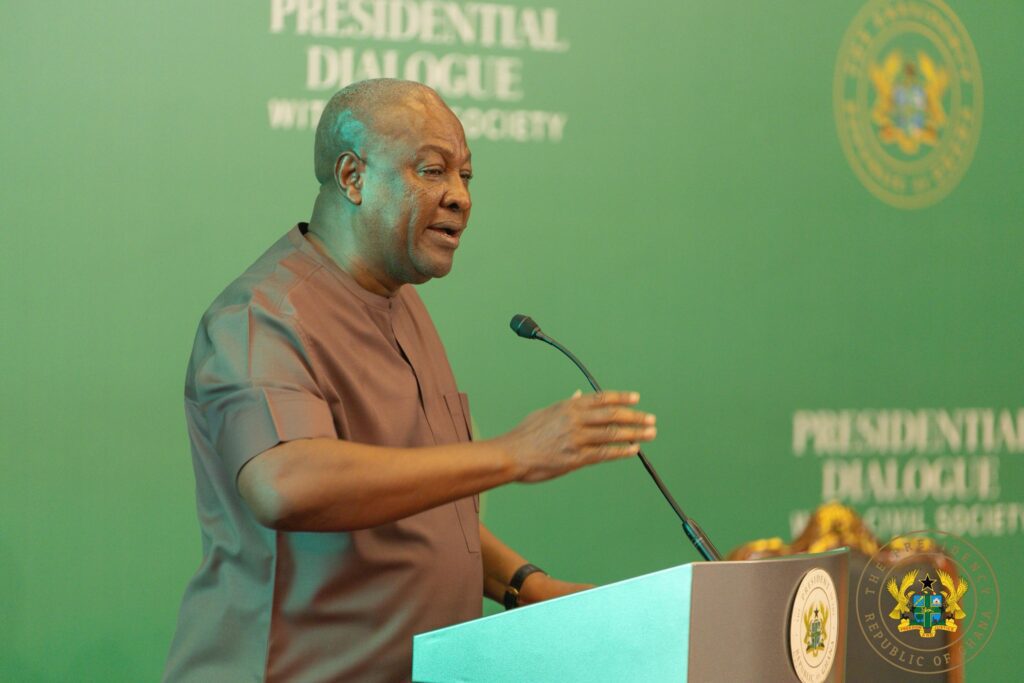
Under the new system, districts will declare their own vacancies and advertise positions locally. Prospective teachers will be required to apply directly to districts where there is a need, rather than relying on a centralised posting mechanism.
Decentralisation as a Policy Shift
The move represents a significant departure from Ghana’s traditional recruitment approach. By giving districts the authority to manage their own hiring processes, the government aims to create a more responsive and needs based system.
President Mahama made it clear that urban centres will no longer be the default destination for newly recruited teachers. “Accra is closed, Kumasi is closed, and Takoradi is closed,” he said, emphasizing that applicants must be willing to work in districts with available vacancies.
This policy is expected to encourage a more equitable distribution of teachers, ensuring that rural and underserved areas receive the attention they require. It also places responsibility on local authorities to identify staffing gaps and recruit accordingly.
A key feature of the new recruitment model is the requirement for teachers to serve in the districts where they are hired. Once recruited, individuals will be expected to remain in their assigned districts, at least for a specified period, to ensure stability in the education system.
This measure is designed to prevent the frequent transfers that have historically undermined efforts to maintain consistent teaching staff in rural schools. By tying recruitment to specific districts, the government hopes to build stronger, more stable educational communities.
The President indicated that the policy will be implemented with the next batch of teacher recruitment, marking the beginning of a new approach to workforce planning in the education sector.
Tackling Graduate Unemployment
Beyond addressing teacher distribution, the reform also seeks to reduce the growing backlog of unemployed graduates in the education and health sectors. President Mahama noted that recruitment processes in recent years have been irregular, often influenced by political cycles.
He pointed out that in some instances, recruitment portals were opened ahead of elections and then closed for extended periods afterward, leaving many qualified graduates without employment opportunities. This has created a significant backlog of trained teachers and health workers who remain at home despite being ready to work.
To address this issue, the government plans to introduce a continuous recruitment system based on available vacancies. This approach will allow for more consistent hiring, reducing the number of unemployed graduates over time.
In addition to teacher recruitment, the President revealed that the government will reopen recruitment portals for health workers. This move is part of a broader effort to strengthen public service delivery by ensuring that critical sectors are adequately staffed.
The integration of continuous recruitment across both education and health sectors reflects a coordinated strategy to improve workforce planning. By aligning recruitment with actual needs, the government aims to enhance efficiency and service delivery.
President Mahama emphasized that the goal is not only to fill vacancies but also to ensure that human resources are distributed in a way that maximizes impact. This includes prioritizing areas with the greatest need and ensuring that no community is left behind.
Implications for Education and National Development
The introduction of district based recruitment is expected to have far reaching implications for Ghana’s education system. By addressing disparities in teacher distribution, the policy could improve learning outcomes in rural areas and reduce educational inequality.
Access to qualified teachers is a critical factor in student performance, and the new system aims to ensure that all students, regardless of location, have access to quality instruction. Over time, this could contribute to a more balanced and inclusive education system.
As the policy takes effect, attention will be on its implementation and the response from both teachers and district authorities. The success of the reform will depend on effective coordination, transparent processes, and sustained commitment from all stakeholders.
For now, the government’s message is clear: decentralisation is key to solving longstanding challenges in teacher distribution. By placing recruitment in the hands of districts, Ghana is taking a decisive step toward building a more equitable and efficient education system.
READ ALSO: Jubilee Field to Invest $2b to Expand Gas Production – Prez Mahama Hints