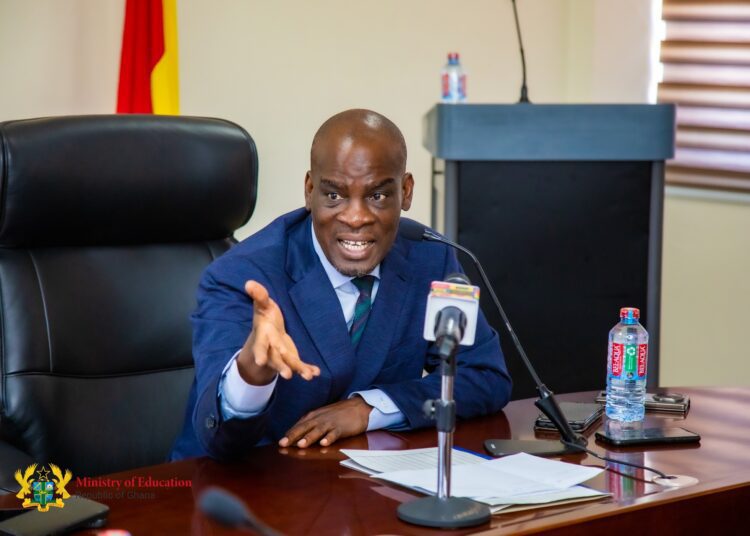
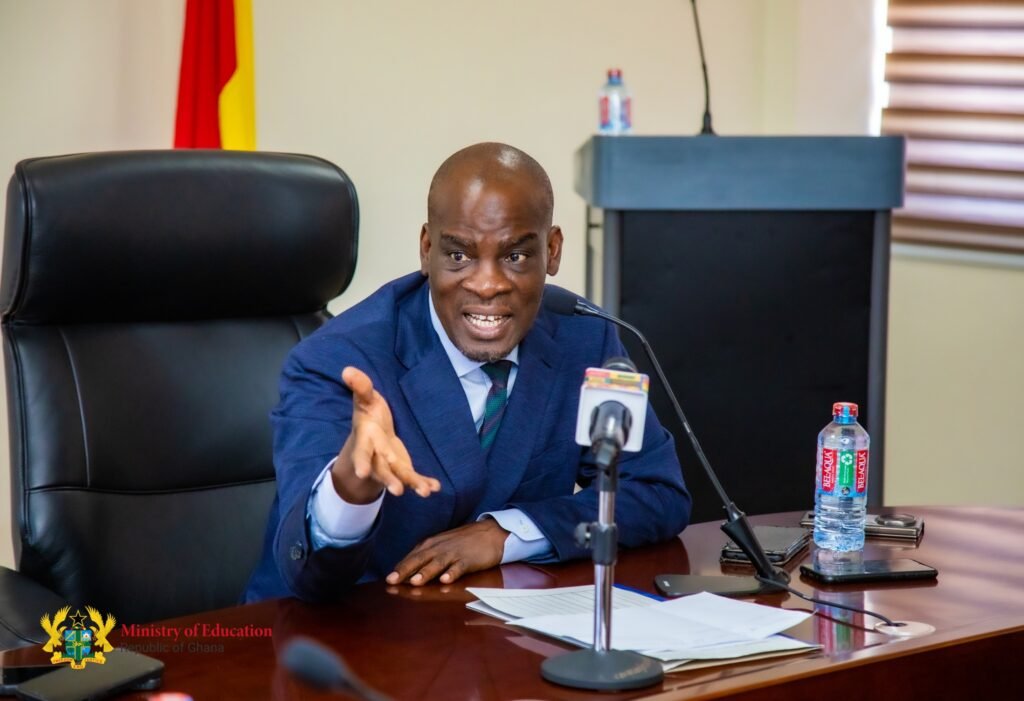
The Member of Parliament for Tamale South and Minister for Education, Hon. Haruna Iddrisu, has assured residents that the government is taking steps to address the worsening water crisis in Tamale, describing the situation as deeply concerning for both local leadership and affected communities.
Speaking on the challenges confronting the metropolis, he acknowledged the severity of the shortage and its impact on daily life. “It’s a major, major, major headache for me and all the leadership from Tamale. We are sleepless because people cannot access quality drinking water,” he said, underscoring the urgency of the situation.
The Minister noted that the crisis has persisted despite ongoing efforts, with many households struggling to secure safe and reliable water for basic needs.
Ageing infrastructure struggles to meet growing demand
At the centre of the crisis is an ageing water supply system that has failed to keep pace with rapid population growth. The primary treatment facility at Dalun, originally built in the early 1970s, is operating far below capacity, with only a fraction of its infrastructure functioning effectively.
Hon. Iddrisu explained that the existing facility can no longer support the needs of a rapidly expanding population. “The facility, which was built in Dalong, has outgrown its population, and it needs to be fixed and fixed much more urgently,” he said.

Over the decades, Tamale’s population has grown significantly, placing increased pressure on infrastructure that has seen limited expansion. This mismatch between demand and capacity has resulted in chronic shortages that have now escalated into a severe crisis.
Humanitarian and public health concerns intensify
The water shortage has evolved into a humanitarian challenge, with residents in many parts of Tamale experiencing prolonged periods without access to piped water. As taps run dry, households are increasingly relying on alternative sources, many of which are unsafe and untreated.
This reliance on contaminated water sources has heightened fears of waterborne diseases, raising concerns among health authorities and community leaders. The situation has also disrupted daily routines, affecting households, schools, and places of worship.
Students in several schools have reportedly missed classes as they search for water, while families face growing financial strain due to rising water costs. The price of basic water containers has increased, placing additional pressure on already stretched household budgets.
For many residents, the crisis has also affected religious practices, with limited access to water complicating observances that require regular washing.

Beyond infrastructure challenges, environmental conditions have further compounded the situation. Changes in rainfall patterns and prolonged dry periods have reduced water levels in local dams and dugouts, which often serve as fallback sources during shortages.
Illegal sand mining along key water bodies has also disrupted water intake systems, affecting the efficiency of treatment plants. These environmental pressures have reduced the availability of raw water, making it more difficult to maintain consistent supply.
The combination of ageing infrastructure and environmental degradation has created a complex challenge that requires both immediate intervention and long term planning.
Government outlines short-term interventions
In response to the crisis, Hon. Iddrisu said the government is implementing short-term measures aimed at providing some relief to affected communities. These include efforts to improve access to water in rural areas through the rehabilitation and desilting of dams.
“You can imagine that I’m desilting three dams. Even access to dam water is a challenge for many rural communities in Tamale,” he said. These interventions are intended to restore water availability in local reservoirs, ensuring that communities have at least some access to water while larger projects are being developed.
Looking ahead, the government is exploring more comprehensive solutions to address the root causes of the crisis. One of the key proposals is the Tamale Damongo Yendi water project, which is expected to significantly expand water supply capacity in the northern region.
The project is anticipated to receive substantial financial support from international partners, including the European Union, with an estimated cost of around 300 million dollars.

However, Hon. Iddrisu indicated that progress on the project is subject to financial considerations. “It’s currently receiving the attention of the Minister of Finance, subject to limitations of borrowing due to the IMF constraint. We should get it done,” he stated.
In addition to this project, government has outlined plans to rehabilitate the existing treatment plant at Dalun and develop new infrastructure to supplement current supply systems.
National attention and policy response
The water crisis in Tamale has attracted national attention, with President John Dramani Mahama identifying it as a priority issue. Since assuming office, the administration has initiated measures aimed at addressing long standing water challenges in the region.
These include plans to establish new pumping stations and expand water supply networks to meet growing demand. Authorities are also working to secure funding and initiate procurement processes for key projects.
The Ministry of Finance has reportedly taken steps to support these initiatives, including commitments to begin preparatory work for infrastructure development.
While the government’s response reflects a recognition of the crisis, the scale of the challenge underscores the need for sustained investment and coordinated action. Addressing the immediate needs of residents must be balanced with long term strategies that ensure resilience and sustainability.
Hon. Haruna Iddrisu acknowledged the complexity of the situation but remained confident in the government’s ability to resolve it. “It is a major concern that I’m aware of, and the government will fix it,” he said.
His remarks reflect a broader commitment to addressing infrastructure gaps and improving access to essential services in underserved communities.
A test of infrastructure and governance
The Tamale water crisis highlights the broader challenges facing urban centres experiencing rapid growth without corresponding infrastructure development. It also raises important questions about resource management, environmental protection, and long term planning.
For residents, the immediate concern remains access to safe and reliable water. For policymakers, the crisis presents an opportunity to rethink infrastructure development and strengthen systems to meet future demands.
As efforts continue, the success of government interventions will depend on effective implementation, adequate funding, and sustained commitment to addressing both the symptoms and underlying causes of the crisis.
READ ALSO: Manhyia North MP Alleges Rushed Process in Damang Mine Lease Process