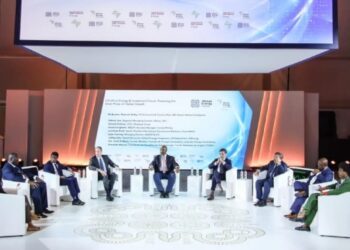
Hon. Akwasi Konadu, the Member of Parliament for Manhyia North and Deputy Ranking Member on the Lands and Natural Resources Committee, has raised serious alarms regarding the speed and transparency of the tender process for the Damang Mine lease.
Commenting on the matter, the lawmaker highlighted a concerning timeline where a competitive tender that closed on Tuesday, March 31, 2026, was reportedly reviewed, recommended, and approved by the Ministry of Lands and Natural Resources within exactly one week.
Mr. Konadu argued that such a rapid turnaround effectively spanning only three working days due to holiday breaks compromises the integrity of the evaluation process and fails to provide equal opportunity for all Ghanaian stakeholders.
“Nobody in this country, and no matter of fact from our side, is against Ghanaian participation or ownership in our natural resource exploration. All that anybody would be against is a manner of allocation that is not so transparent that every other Ghanaian could not have the same opportunity. Rushing approvals undermines public confidence and could leave qualified Ghanaians at a disadvantage.”
Hon. Akwasi Konadu

The MP clarified that the Minority is not opposed to the core principle of increasing local participation or indigenous ownership in Ghana’s natural resource exploration.
Instead, the contention lies in the “nature and manner” of the allocation, which he suggests lacks the necessary transparency to ensure every qualified Ghanaian has a fair and equitable window to participate.
While the Ministry has defended the process as an open competitive tender under the existing Legislative Instrument (L.I.), Mr. Konadu pointed to the specific case of the Damang Mine, where four companies submitted bids, and a recommendation was reached almost immediately after the submission deadline.
He cautioned that using “legality as a guise” to rush through mineral rights allocations puts the nation at greater exposure and undermines public confidence in the sector.
Integrity of the Tender Timeline
The primary technical grievance raised by Mr. Konadu centers on the logistics of the evaluation. With the tender closing at 16:00 on March 31, and official approval being granted by April 7, the MP notes that the Ministry and the Minerals Commission had a remarkably short window to conduct a thorough review of complex technical and financial proposals.
He noted that after accounting for four days of holiday leave, the actual technical review period was “under say 30 minutes or two hours” for the final ministerial approval once the report was received. This “expedited action” has prompted calls for a more deliberate verification of the four companies involved to ensure that the selection wasn’t “straightforward” only because of a pre-determined outcome.
The Necessity of Due Process in Mineral Licensing
In the broader context of Ghana’s energy and green transition, due process is not merely a bureaucratic hurdle but a legal safeguard for national assets.
According to the Minerals and Mining (Licensing) Regulations, 2012 (L.I. 2176), a mining lease requires exhaustive vetting of a company’s financial strength, technical competence, and environmental recovery plans.
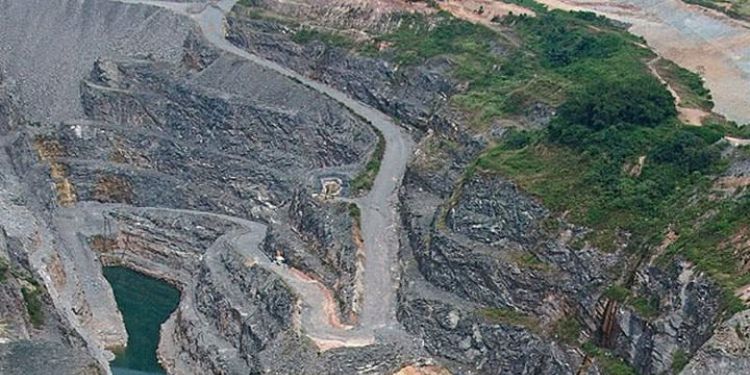
Skipping or accelerating these steps risks the long-term viability of the mine, which currently holds an estimated 3.55 million ounces of gold resources.
A lack of transparency in “first come first serve” or “competitive tender” scenarios can lead to legal disputes, stalling production and deterring the very local investment the government claims to champion.
Strategic Oversight and National Exposure
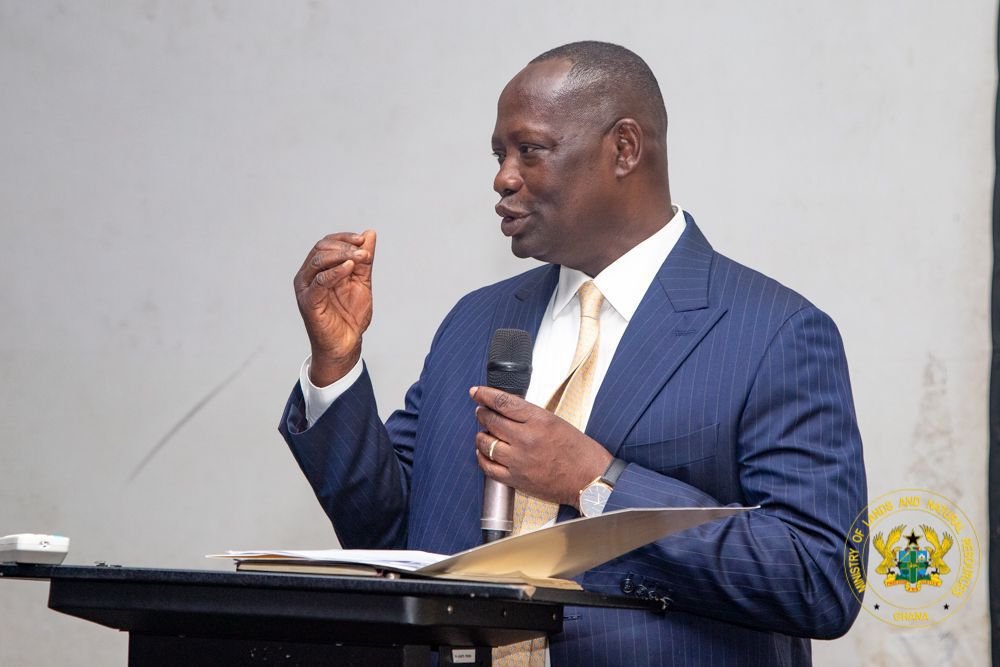
Mr. Konadu’s recent field visit to the Damang site informed his stance, noting that the teams on the ground have identified operational challenges that require a stable and transparent transition of ownership.
He warns that if the government does not ensure a “straightforward” and legally airtight process, the state risks being caught in litigation or underperforming contracts.
For a green transition to be successful, the extraction of transition-related minerals and gold must be governed by institutional stability rather than administrative haste.
The MP’s demand remains clear: the Minerals Commission must “expedite action” on transparency, not just on the final signature, to protect the collective interest of all Ghanaians.
READ ALSO: Urgent Peace Brokered in Three-Nation Onion Trade Impasse