Energy Commission has certified its second cohort of Energy Audit Professionals, marking a pivotal milestone in Ghana’s strategic journey toward enhanced energy efficiency and long-term environmental sustainability.
This certification serves as a robust response to escalating global energy pressures and reinforces the nation’s commitment to building a resilient power sector.
By equipping these specialists with the technical authority to oversee energy consumption, the Commission aims to bridge the gap between high electricity demand and limited supply, ensuring that both public and private sectors contribute to a greener national framework.
“The newly certified professionals are expected to play a vital role in reducing electricity demand, easing pressure on the national grid, and lowering energy costs nationwide.”
Energy Commission of Ghana

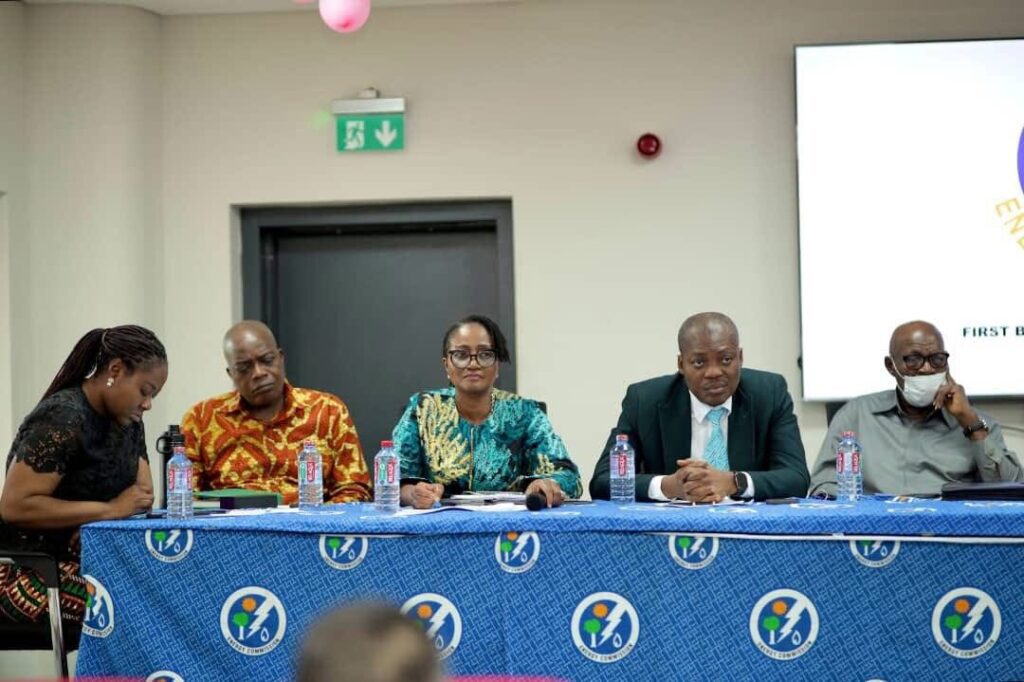
This landmark ceremony, hosted at the Ghana Institution of Engineering under the theme “A Greener Ghana: The Role of the Energy Audit Professional,” convened an influential assembly of policymakers, industry captains, and international development partners to witness the induction of these change agents.
The initiative aligns with the strategic redesignation of the Ministry of Energy to the Ministry of Energy and Green Transition in January 2025, a move that Ing. Kwabena Bempong, the event’s Chairperson, described as a “blueprint for national transformation.”
These newly minted professionals are tasked with identifying systemic inefficiencies across diverse sectors, including manufacturing plants, hospitality facilities, and state-owned offices, to foster an era of climate action and economic fortitude.
Detectives of Inefficiency: A New Mandate for Energy Experts

The Board Chairman of the Energy Commission, Prof. John Gartchie Gatsi, emphasized that this certification is more than a professional credential; it is a call to service within Ghana’s evolving green economy.
He challenged the graduates to provide the “active role” necessary to move the needle on the country’s energy transition. Complementing this sentiment, Ing. Bempong famously urged the auditors to function as “detectives of inefficiency,” implying a rigorous investigative approach to uncovering hidden energy leaks.
This professional scrutiny is expected to be a primary driver in reducing electricity waste, which currently places an avoidable strain on the national grid and inflates operational costs for businesses.
Adwoa Serwaa Bondzie, the Acting Executive Secretary, further characterized energy efficiency as the “first fuel,” arguing that it remains the most cost-effective solution for meeting the country’s surging energy needs.
She positioned the auditors as both technical advisors and “change agents” who must advocate for a culture of conservation alongside their engineering duties.
The upcoming implementation of Energy Performance Certification for buildings will further solidify their importance, as their assessments will soon dictate the regulatory compliance and market value of real estate based on energy consumption metrics.
The Mechanics of Transformation: How Auditors Enhance Efficiency
Energy Audit Professionals enhance national efficiency through a systematic four-tier approach: data-driven diagnostics, system optimization, regulatory enforcement, and behavioral advocacy.
By utilizing sophisticated measurement tools, these experts perform meticulous walkthroughs of facilities to evaluate HVAC systems, industrial machinery, and lighting layouts.
This process allows them to pinpoint exactly where energy is being dissipated whether through outdated equipment, poor insulation, or suboptimal operational schedules and provide a roadmap for retrofitting that yields immediate financial and environmental returns.
Beyond technical fixes, these professionals serve as the backbone of the “demand-side management” strategy.
By helping large-scale consumers lower their peak-load demand, they collectively ease the pressure on the national grid, which reduces the frequency of outages and the need for expensive emergency power generation.
Furthermore, their role in the Sustainable Energy Service Centres ensures that the training and support provided by partners like the Millennium Development Authority (MiDA) and the Ghana Institution of Engineering translate into measurable carbon footprint reductions, effectively aligning Ghana’s industrial growth with international climate standards.
Strategic Partnerships and the Future of the Green Transition

The success of this certification program is deeply rooted in collaborative efforts between the Energy Commission and key stakeholders.
The Commission specifically acknowledged the Ghana Institution of Engineering and the Millennium Development Authority, under the Ghana Power Compact, for their roles in providing the framework for this high-level training.
These partnerships ensure that the auditors are not only proficient in local standards but are also conversant with global best practices in energy management.
READ ALSO: Liverpool Confirm Robertson Exit After Nine Trophy-Laden Years