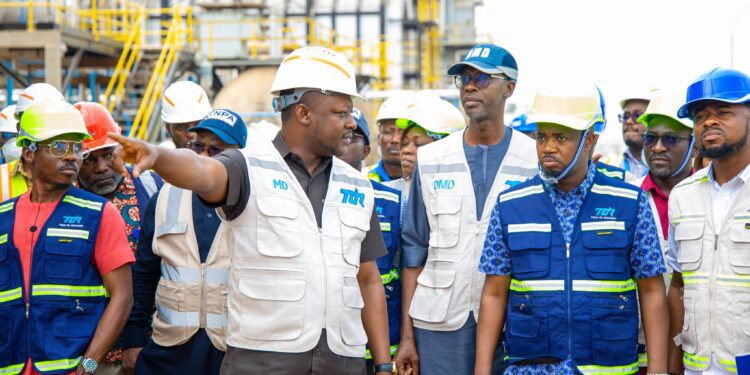
Edmond Kombat, the Managing Director of the Tema Oil Refinery (TOR), has dismissed assertions that the strategic national asset is on the verge of being sold or handed over to private entities.
This clarification comes at a time when the President John Mahama-led administration has shifted its focus toward an aggressive revival policy, aiming to restore the refinery’s operational integrity before entertaining any long-term structural changes.
Mr. Kombat emphasized that the government’s immediate blueprint does not include the total offloading of the refinery, but rather centers on ensuring the facility becomes a self-sustaining powerhouse for the nation’s energy needs.
“The last time this refinery was valued was in 2000; since then, there has not been a valuation. You don’t even know the assets that you are sitting on, and you’re going into a public-private partnership. You are going to be cheated from day one.”
Edmond Kombat, the Managing Director of the Tema Oil Refinery (TOR)

Edmond Kombat highlighted that the discourse surrounding private sector participation (PSP) has often been clouded by historical suspicion and a lack of transparency.



He noted that previous attempts to bring in private investors were viewed with skepticism by both the workforce and various stakeholders, primarily due to concerns that the refinery was being “deliberately run down” to facilitate a cheap sale.
By prioritizing the restoration of confidence and technical efficiency over divestment, the current management intends to protect the refinery from being undervalued and to ensure that it remains a “strategic pillar for energy security” under sovereign control during this critical recovery phase.
The Valuation Vacuum and Economic Risks

A central pillar of the Managing Director’s argument against immediate privatization is the significant gap in asset assessment.
With the last official valuation occurring over two decades ago, entering into any partnership now would be “economically and financially unwise.”
Without a clear, contemporary understanding of the refinery’s worth, the state risks losing a multibillion-dollar asset at a fraction of its replacement cost.
To rectify this, management has commissioned a South African firm to conduct a comprehensive revaluation, an exercise Kombat describes as “an essential step” that must precede any high-level investment discussions to prevent the country from being “cheated” in negotiations.
Operational Viability: The Prerequisite for Investment
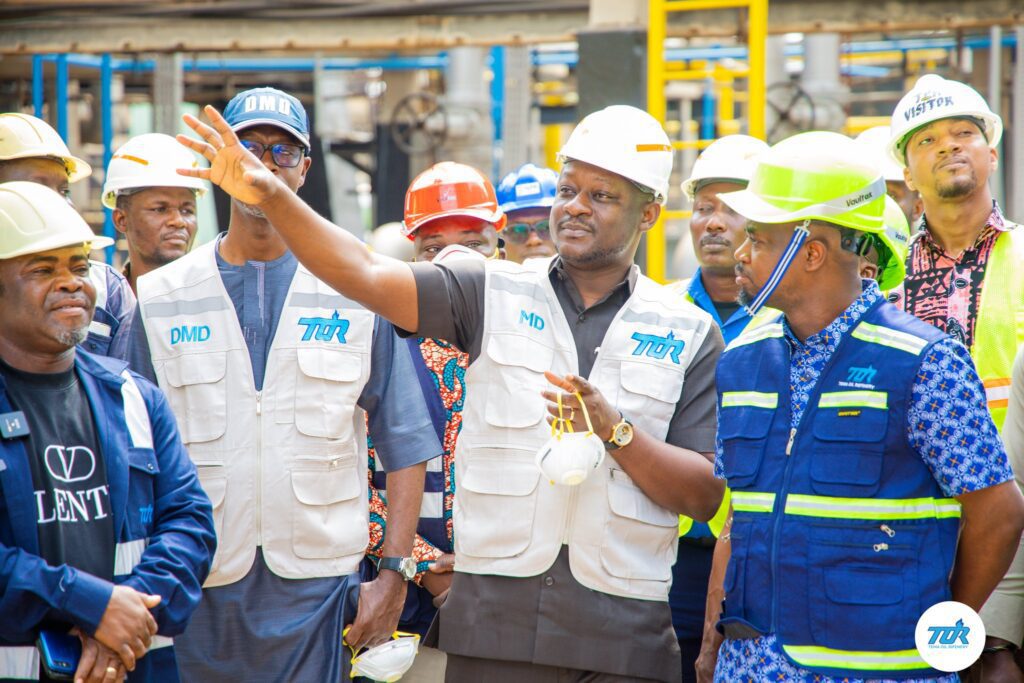
Mr. Kombat maintains that the refinery must first demonstrate its own viability to be taken seriously on the international market.
He revealed that while some interests have surfaced, the government is “not paying attention for now” because the primary objective is to get the refinery up and running.
The current management philosophy suggests that a functioning, profitable refinery holds far more leverage in the global energy market than a dormant one.
By focusing on “improving efficiency and restoring confidence,” the administration aims to move TOR from a position of vulnerability to one of industrial strength, making any future talk of ownership structures a matter of choice rather than a desperate necessity.
Energy Security and the “Needless” Privatization Argument
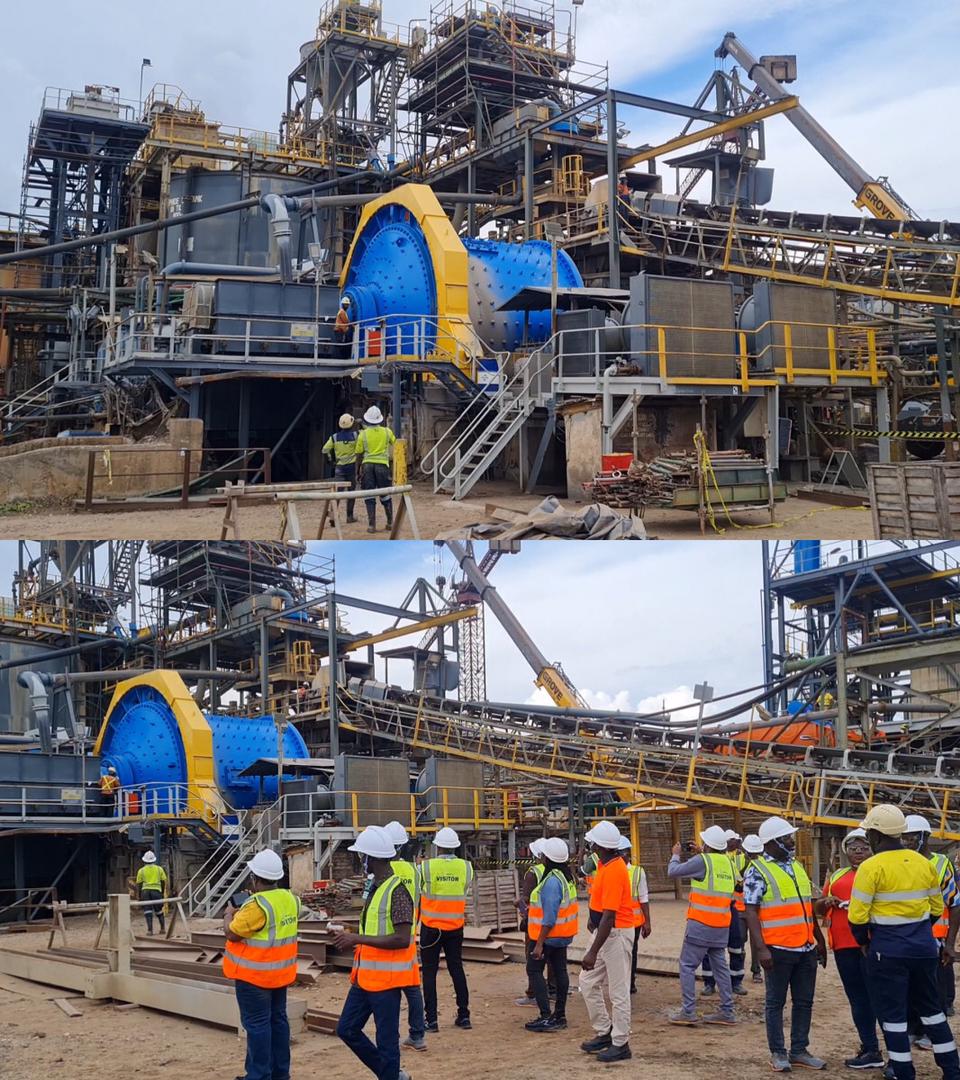
From a strategic standpoint, the push to keep TOR under state-led revival is rooted in the broader goal of national development.
In the current energy landscape, a fully operational TOR is estimated to have the potential to cut Ghana’s fuel import bill which previously stood at approximately $400 million monthly by nearly half.
Privatizing the refinery prematurely would not only risk the loss of “national pride” but could also compromise the country’s ability to control its energy destiny.
READ ALSO : Energy Minister Directed to Ensure Fuel Price Reduction to Cushion Consumers