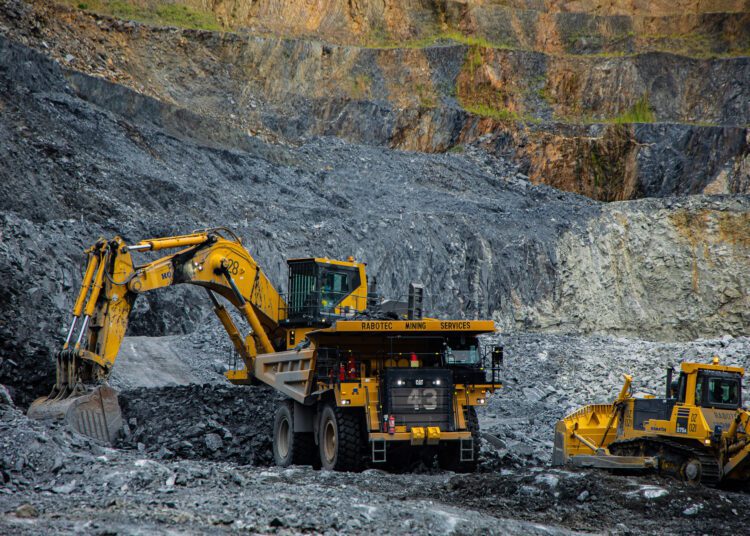
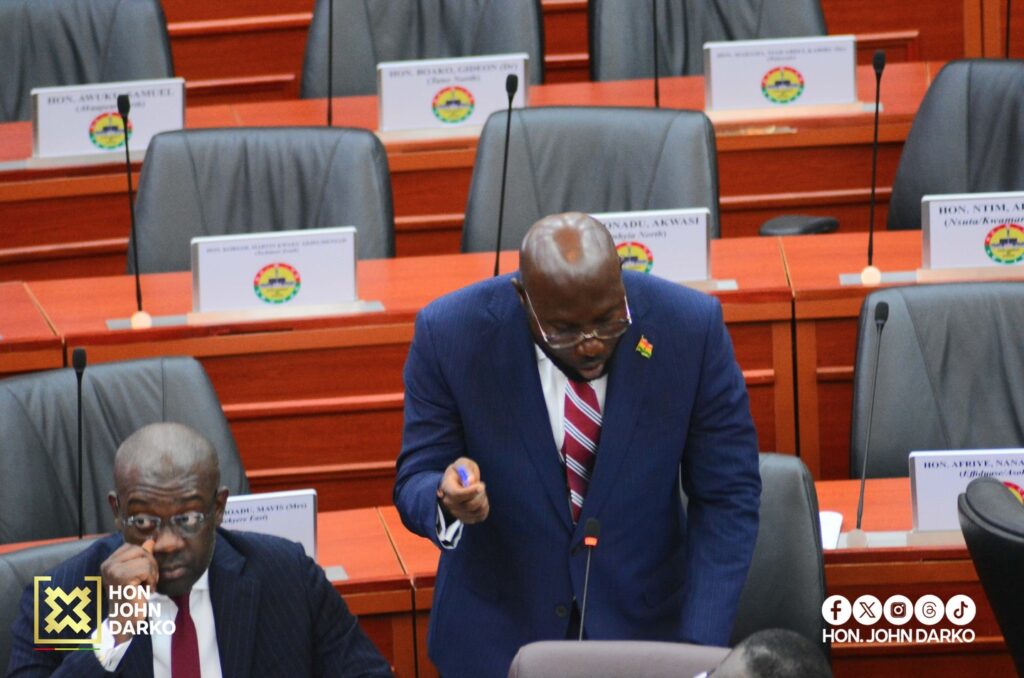
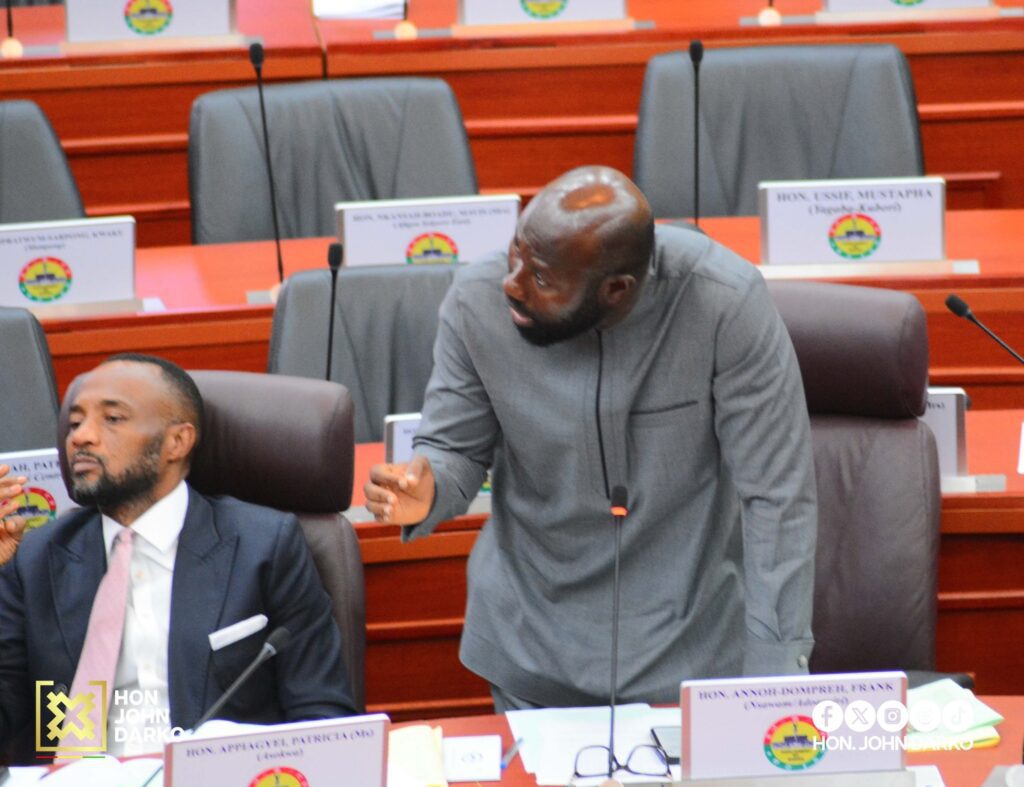
Damang Mine is currently estimated to host approximately 3.5 million ounces of gold, a revelation that has prompted Hon. John Darko, Member of Parliament and Natural Resources Law Lecturer at GIMPA, to call for a more rigorous and transparent tender process.
The lawmaker emphasized that this strategic national asset, which recently reverted to the State following the expiration of Gold Fields’ license, represents a monumental opportunity for national development that must be protected from “value erosion or capital flight.”
With the gold resource valued at a potential $7 billion based on a conservative margin of $2,000per ounce, the focus has shifted to whether the current bidding process which required proof of approximately $500 million in funding within a seven-day window is truly proportionate to the mine’s underlying wealth.
“The concern, therefore, is one of proportionality: How do we justify allocating an asset of that magnitude based primarily on proof of funding at a fraction of its underlying value? Without this step, there is a risk of undervaluing a national asset. The key question is: Has the process used ensured Ghana captures the full value of this asset?”
Hon. John Darko, MP and Law Lecturer, GIMPA

Darko argued that for an asset of such magnitude, the State must move beyond the traditional 10% free carried interest toward a more material equity stake, potentially ranging between 30%and 40%.
This approach would involve active participation through the Minerals IncomeInvestment Fund (MIIF) to ensure Ghana benefits directly from value creation rather than just royalties and taxes.
The core concern remains the “missing step” of a robust, independent technical and financial valuation; without a clear understanding of remaining reserves and the capital expenditure (capex) required to sustain production, there is a significant risk of undervaluing a national treasure.
Economic Transformation Through Proper Capitalization
If the 3.5 million ounces at Damang are managed with global best practices, the resulting capitalization could serve as a massive catalyst for Ghana’s macroeconomic stability.
By ensuring the asset is properly priced and partnered with entities capable of raising the necessary investment, the government can secure a consistent flow of foreign exchange (FX) reserves.
In the current global economy, where gold acts as a hedge against inflation, a well-structured ownership stake allows the Bank of Ghana to leverage mineral wealth to stabilize the Cedi and bolster national reserves without increasing the sovereign debt burden.
Furthermore, the industrial spin-offs from a properly capitalized Damang Mine would be extensive.
A mine of this scale requires sophisticated logistics, engineering services, and energy solutions, providing a fertile ground for “building Ghanaian champions” within the extractive value chain.
By factoring the required capex into the initial pricing and negotiations, the State ensures that whoever operates the mine has the financial depth to optimize its lifespan.
This ensures that the mine does not just provide short-term revenue but remains a sustainable employer and taxpayer for the next two decades.
Independent Valuation and Global Best Practices
According to the standards often cited by natural resources experts, the “discovery of value” in a transaction of this scale must be an arm’s length process.
This typically involves both the State and the prospective bidders conducting independent valuations to reach a mutually agreed commercial value.
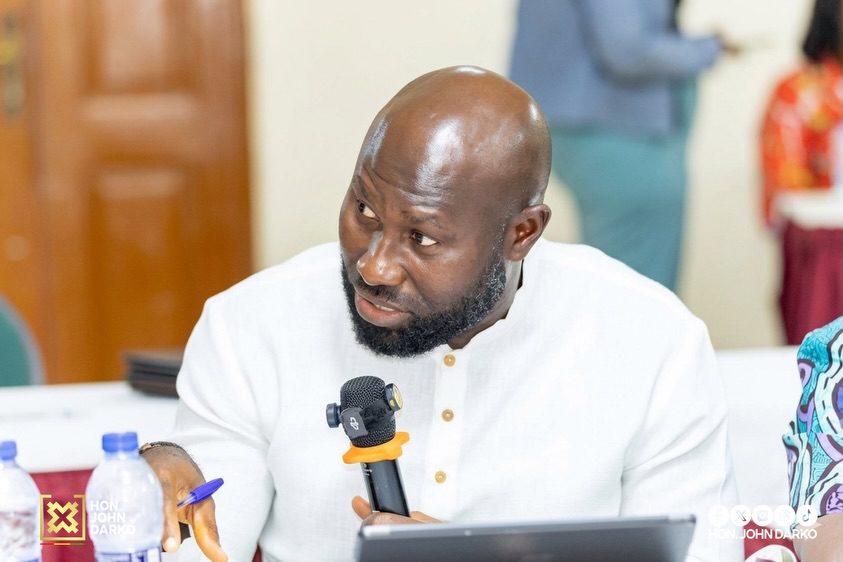
Hon. Darko asserts that this is how value is properly protected, ensuring that the “long-term cash flow potential” is not sacrificed for immediate, smaller-scale funding proofs.
Adhering to these global standards is essential to maintain Ghana’s reputation as a stable and transparent destination for high-value mining investment.
A transparent process also mitigates the risks associated with rapid-fire tendering.
When the timeframe for demonstrating financial capacity is restricted to a few days, it can inadvertently exclude competent local firms or lead to deals that do not reflect the mine’s “strategic significance.”
By prioritizing a clear understanding of the “remaining reserves and resources,” the government can negotiate from a position of strength, ensuring that the eventual partnership aligns with the National Interest and provides a fair share of the “upside participation” to the Ghanaian people.
Securing the Future of Local Participation
The push for local participation must be balanced with the principle of “doing it right” to create lasting value.
True local content in the mining sector involves Ghanaian firms taking on active, high-stakes roles that contribute to the nation’s industrial identity.
For the Damang Mine to fulfill its projection of 3.5 million ounces, the legislative framework must support a structure where local ownership is backed by technical competence and transparent financial backing.
Ultimately, the goal is to ensure that the Damang Mine serves as a blueprint for future mineral asset transitions in Ghana.
READ ALSO: US To Blockade Strait Of Hormuz