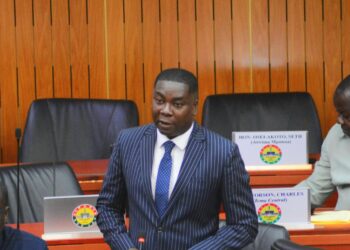
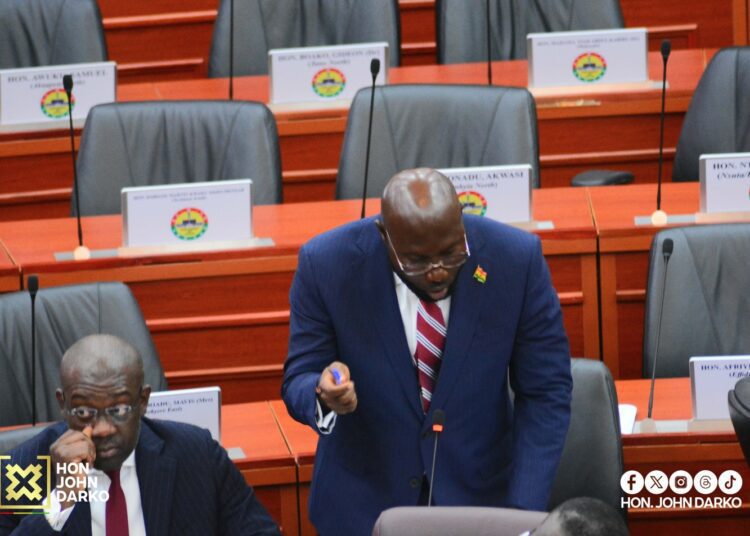
Hon. John Darko, Member of Parliament for Suame and Natural Resources Law Lecturer at GIMPA, has offered a critical evaluation of the government’s approach to the Damang Mine asset allocation, asserting that while the tender model is a legitimate tool for resource management, its ultimate success hinges entirely on the transparency and structure of its application.
His remarks come at a pivotal moment as the state prepares to transition the asset which holds an estimated 3.55 million ounces of gold following the expiration of the previous lease, sparking a national debate on how to balance local participation with the preservation of national value.
“A tender process is not inherently wrong, but its application matters. It is most appropriate where the government retains ownership of the asset and invites a company to operate the mine for a fee or partner through a clearly structured equity arrangement. In such cases, Ghana remains firmly in control of the asset while leveraging private sector expertise and capital.”
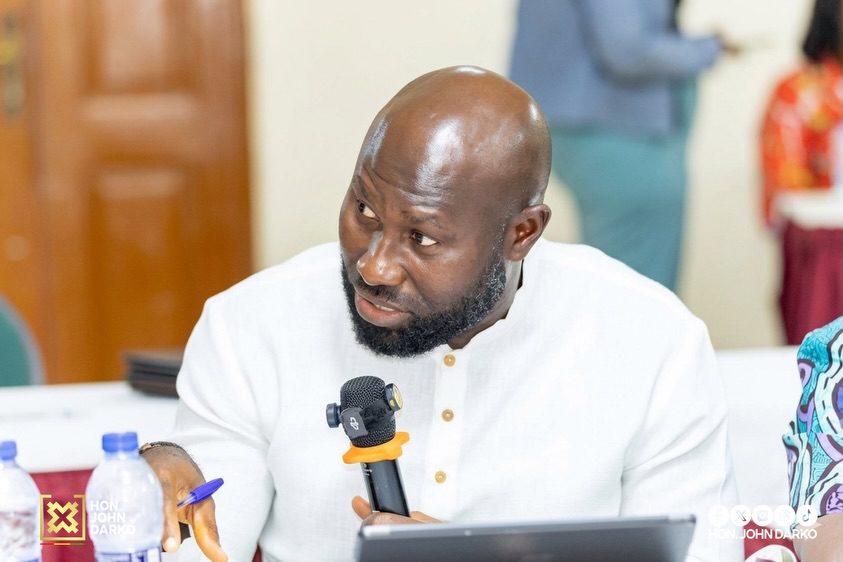
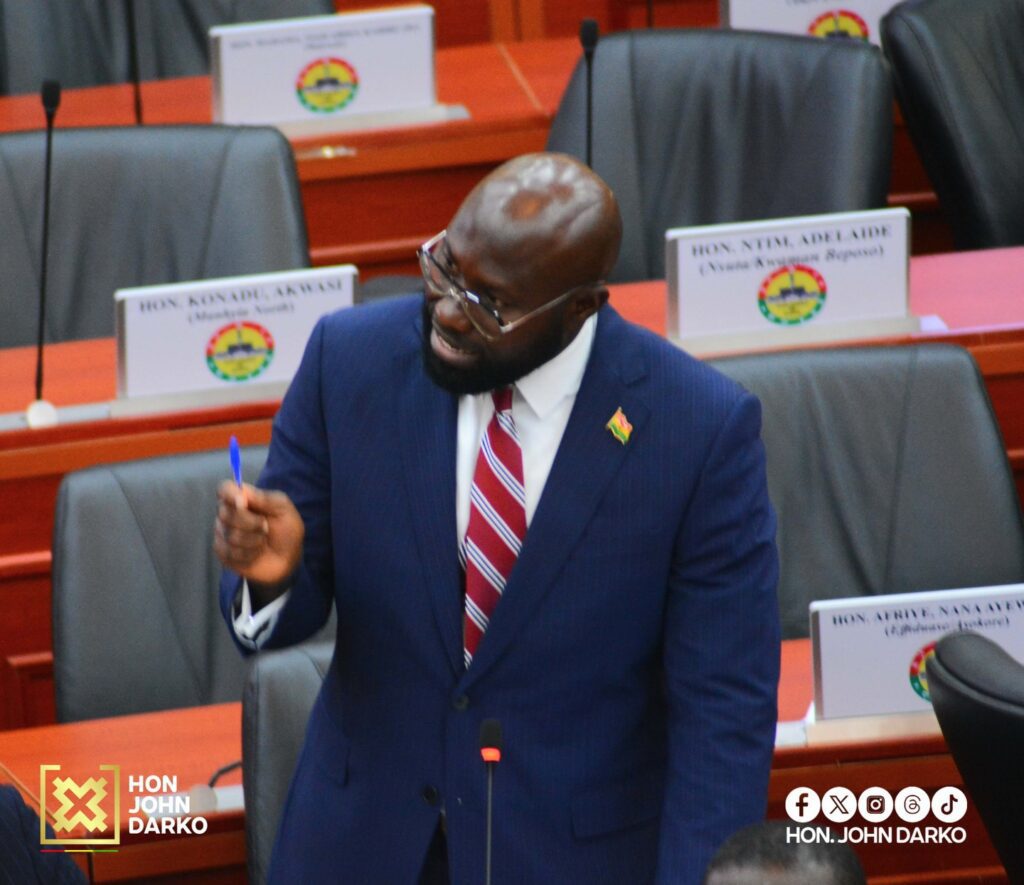
Hon. John Darko, Member of Parliament for Suame
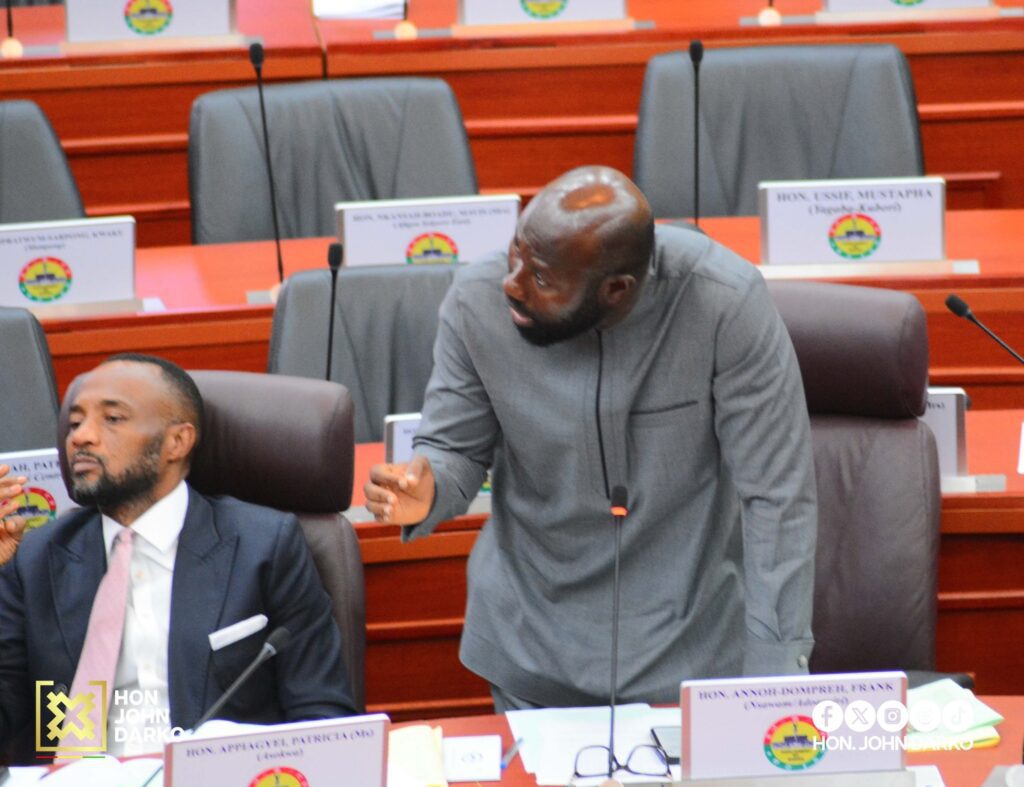
He emphasized that the selection of a wholly Ghanaian-owned entity to manage such a strategic asset is a commendable milestone for the “local content” agenda, yet he warned that nationalistic sentiment must not bypass rigorous economic scrutiny.
The Suame legislator noted that for a tender to truly serve the public interest, it must be anchored in an independent, transparent valuation of the underlying mineral resource to ensure that the state is not inadvertently undervaluing a multi-billion-dollar asset.
Without a clearly communicated technical and financial framework, the rapid nature of such allocation’s risks creating a vacuum where the true worth of Ghana’s gold is secondary to the speed of the transaction.
The Triple Threat: Perception, Precedent, and Political Risks

Darko articulated a sophisticated “Key Risk” framework, arguing that when an allocation process appears too rapid or lacks an anchor in transparent valuation, it exposes the state to three devastating repercussions.
First is Perception Risk, where the lack of visible transparency undermines public trust and creates a narrative of opacity around national wealth.
Second is Precedent Risk, which John Darko fears could set a dangerous “model” for future asset allocations, potentially weakening Ghana’s bargaining power and legal standing in subsequent international or domestic negotiations.
Finally, he highlighted the volatility of Political Risk, noting that what is gained through the lens of political patronage can just as easily be stripped away through future political intervention.
This cycle of “patronage and intervention” creates an unstable investment climate that could deter the very private-sector capital the state seeks to attract.
To avoid these pitfalls, Darko suggests that the state must move beyond the narrow question of “who gets the asset” and focus instead on the broader strategic imperative: “How does Ghana maximize value from the asset?”
Redefining Local Participation and State Control
The GIMPA lecturer’s critique is not a call to exclude local players but a demand for a “Ghana Wins” strategy that is both full and fair. He argued that the current model, which often settles for a 10% free carried interest, may be insufficient for an asset as proven as the Damang Mine.
Instead, he proposed a shift toward arrangements where the state, perhaps through the Minerals Income Investment Fund (MIIF), takes a more aggressive equity position or maintains a fee-for-service relationship with operators.
By maintaining firm control over the resource while “leveraging private sector expertise,” Ghana can ensure that the wealth generated stays within the national economy and benefits the collective.
A Strategic Trust for Future Generations
Concluding his analysis, John Darko reminded stakeholders that the extractive sector’s governance is a fiduciary responsibility, as these minerals are “national assets held in trust for current and future generations.”
The discourse surrounding the Damang Mine, therefore, serves as a litmus test for Ghana’s maturity in natural resource law and economic sovereignty.
The transition scheduled for April 2026 represents more than just a change in operators; it is a test of whether the state can apply the tender model with the clinical precision required to safeguard the national interest.