
Energy and Green Transition Minister Dr. John Abdulai Jinapor has ordered a comprehensive technical investigation into the power-system disturbance that triggered widespread electricity outages across parts of Ghana on 29 July 2026, directing the Ghana Grid Company (GRIDCo) to submit a detailed report on the causes of the incident and the measures required to strengthen the resilience of the national grid.
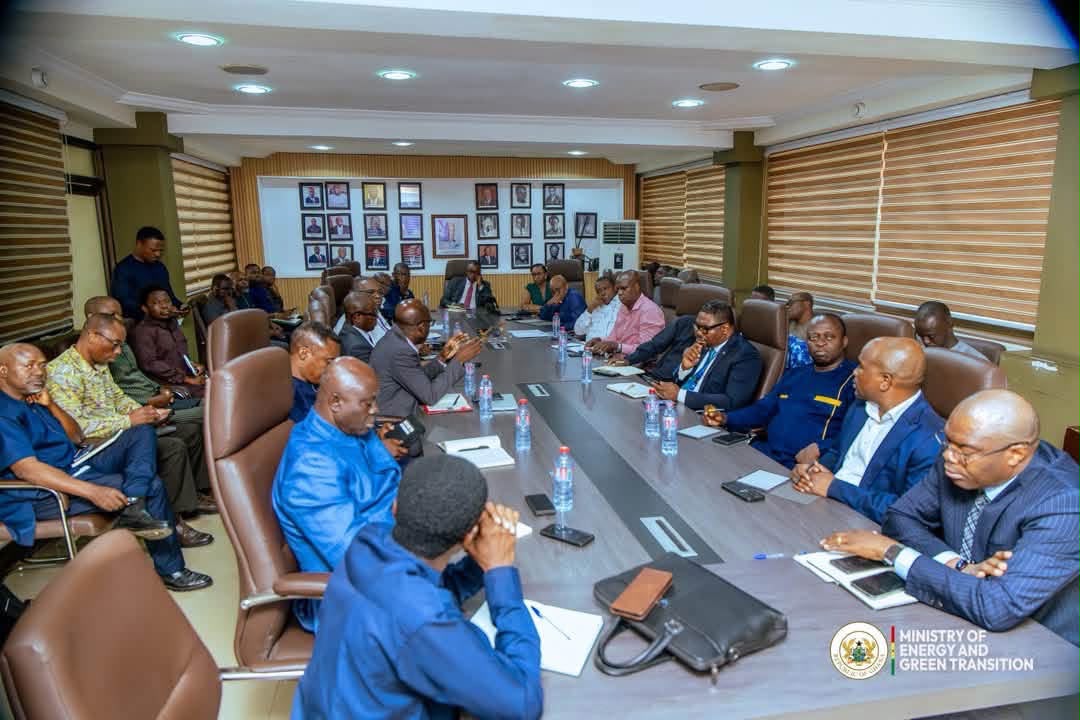
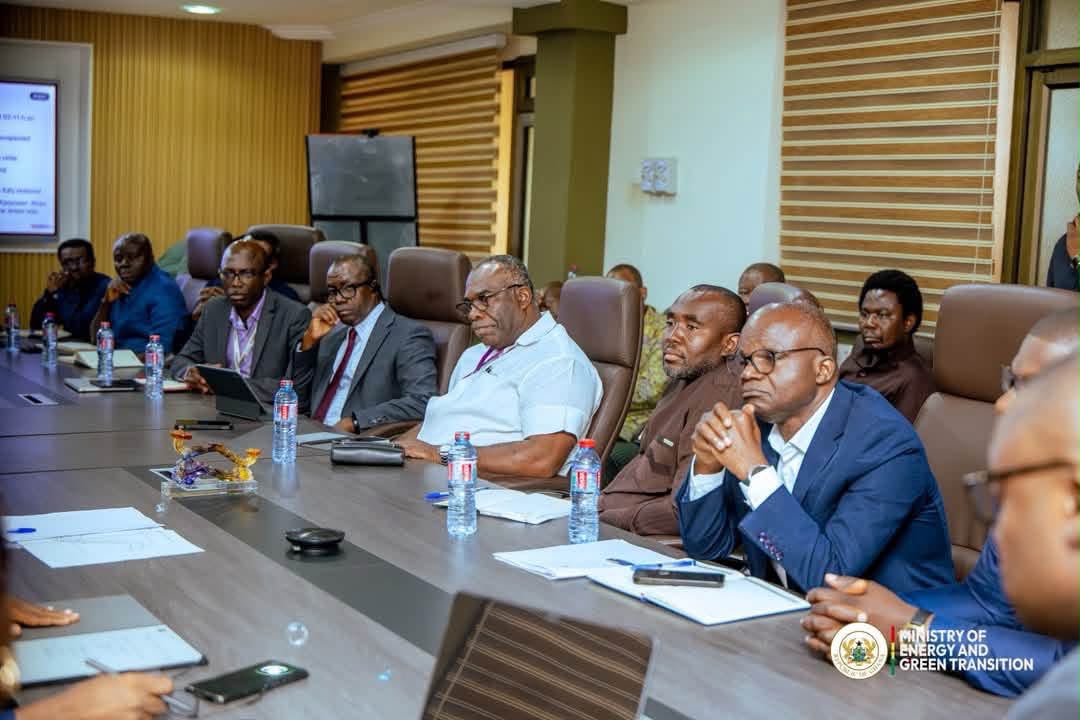
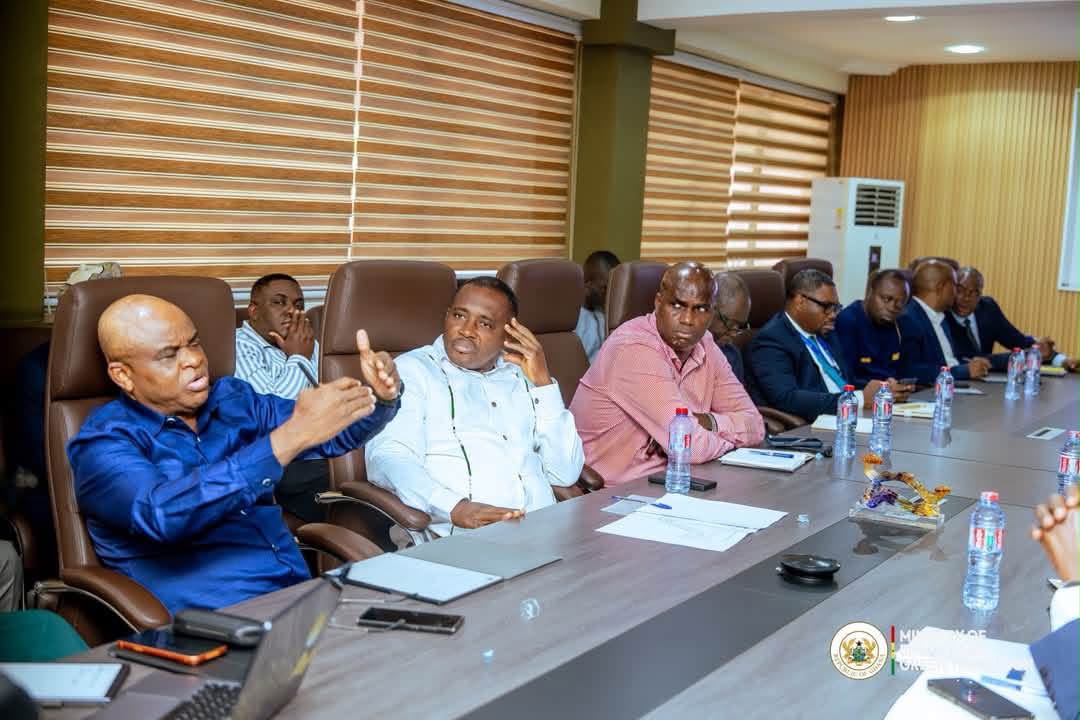
The directive followed a high-level meeting with key stakeholders across the electricity value chain, where the Minister led a broad review of the current state of the power sector and assessed the implications of the recent disturbance for system reliability, industrial activity and public confidence in electricity supply.
The meeting signals government’s determination to treat the incident not as an isolated operational event but as a test of the country’s transmission and grid-management systems at a time when electricity demand continues to rise and the economy becomes increasingly dependent on stable power.
In a statement posted on his official page, Dr. Jinapor said the disturbance had become a central focus of the discussions and that a full technical account would be required from the transmission operator.
I have charged GRIDCo to submit a comprehensive report detailing the circumstances that led to the disturbance, the response measures undertaken, and the corrective actions required to strengthen the resilience and reliability of our power system.
Energy and Green Transition Minister Dr. John Abdulai Jinapor
A broader review of the power sector
Beyond the immediate outage, the meeting examined the overall condition of the electricity sector, bringing together stakeholders responsible for generation, transmission, distribution and system operations.
Although the statement did not list all participants, such reviews typically involve institutions across the power value chain, including GRIDCo, the Electricity Company of Ghana (ECG), generation companies and other operational agencies.
The emphasis on a comprehensive review suggests that government is looking beyond fault restoration and seeking to understand whether the disturbance exposed deeper vulnerabilities within the transmission network, system protection arrangements or operational coordination mechanisms.
This is particularly important because Ghana’s power system is becoming more complex as it integrates additional generation sources, manages growing demand centres and supports increasingly energy-intensive economic activities.
Why the disturbance matters
Power-system disturbances can arise from a range of technical and operational factors, including transmission faults, equipment failures, protection-system operations, frequency instability, generation-transmission imbalances or external network events.
The Ministry has not disclosed the cause of the 29 July disturbance, and the expected GRIDCo report is likely to provide the first official technical explanation of what happened and how the system responded.

For businesses and industries, the significance lies not only in the duration of the outage but in what it reveals about the robustness of the network.
Unplanned interruptions affect manufacturing, mining, commercial operations, digital services and household welfare, while repeated disturbances can erode confidence in the reliability of the electricity system.
Transmission resilience comes into focus
The Minister’s directive places GRIDCo at the centre of the investigation, highlighting the critical role of transmission infrastructure in maintaining system stability.
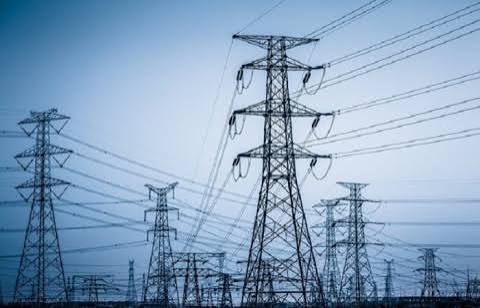
Ghana’s transmission network functions as the backbone connecting power plants to distribution systems and major demand centres.
Disturbances on the grid can therefore have cascading effects across multiple regions.
The focus on response measures and corrective actions indicates that the review will examine not only the initiating event but also how quickly operators detected the problem, isolated affected sections, restored supply and coordinated with other power-sector institutions.
Energy analysts say that post-disturbance reviews are essential because they help identify whether existing protection schemes, operational procedures and infrastructure investments are adequate for future system conditions.
Economic growth and power reliability
Dr. Jinapor linked the investigation to the government’s broader economic objectives, stressing that a reliable electricity system remains fundamental to business activity and national development.

Together, we will build a stronger and more resilient power sector that powers economic growth, supports businesses, and improves the lives of our people.
Energy and Green Transition Minister Dr. John Abdulai Jinapor
The connection between grid reliability and economic performance is becoming increasingly important as Ghana pursues industrial expansion, digitalisation and the 24-Hour Economy agenda.
Continuous operations in factories, data centres, hospitals, logistics facilities and other critical services depend on a transmission system capable of withstanding disturbances and recovering quickly when faults occur.
The importance of transparency
One of the most significant aspects of the Minister’s announcement is the public commitment to a formal report.
In many electricity systems, transparency after major disturbances is crucial for maintaining public confidence.

A detailed technical report can clarify the sequence of events, identify root causes, assess the effectiveness of protection and control systems and outline the investments or operational changes needed to reduce future risks.
The absence of an immediate explanation has left room for speculation, making the forthcoming GRIDCo report an important accountability document as well as a technical assessment.
A sector under pressure to modernise
The incident also arrives at a time when Ghana is pursuing broader power-sector modernisation, including discussions around battery energy storage, grid digitalisation, renewable integration and transmission upgrades.
As more variable renewable energy is added to the system and electricity demand grows, grid management becomes more demanding.
Disturbances that might once have been contained locally can have wider operational implications if network flexibility and protection systems are not adequately strengthened.
The government’s emphasis on resilience therefore reflects a recognition that future reliability will depend not only on adding generation capacity but also on improving the intelligence, flexibility and robustness of the transmission network.
What stakeholders will be watching
The key questions now are whether the GRIDCo report identifies a clear root cause, whether corrective actions are time-bound and whether the findings lead to accelerated investment in transmission infrastructure and system protection.
Industry stakeholders will also be watching for indications of closer coordination between transmission and distribution operators, improved emergency-response protocols and stronger monitoring of critical network assets.
A disturbance investigation that ends with technical findings alone may have limited impact.
One that produces measurable operational and investment commitments could become an important step in strengthening long-term system reliability.
For now, the government has signalled that the 29 July outage will be treated as a serious resilience issue rather than a routine operational interruption.
The challenge is to ensure that the investigation translates into tangible improvements in the stability, responsiveness and future readiness of Ghana’s electricity system.
READ ALSO: Bessent Signals Imminent Deal to Reopen Hormuz Strait