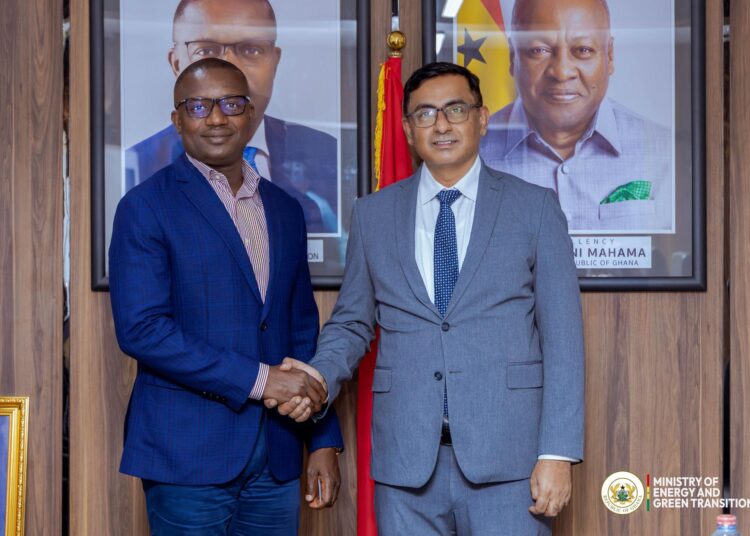
Hon. Dr. John Abdulai Jinapor (MP), the Minister for Energy and Green Transition, has initiated a strategic diplomatic dialogue aimed at catalyzing a robust energy partnership between Ghana and Pakistan.
This high-level engagement, held at the Ministry of Energy and Green Transition, underscores a pivotal shift toward integrating bilateral technical expertise with sustainable policy frameworks.
By aligning Ghana’s burgeoning green transition goals with Pakistan’s industrial experience, the headline “Ghana, Pakistan Forge Energy Drive Partnership” represents a commitment to mutual economic resilience through diversified energy portfolios.
“Our meeting was a cordial engagement focused on strengthening the longstanding relations between Ghana and Pakistan, particularly in areas of mutual interest within the energy sector.”
Hon. Dr. John Abdulai Jinapor (MP)

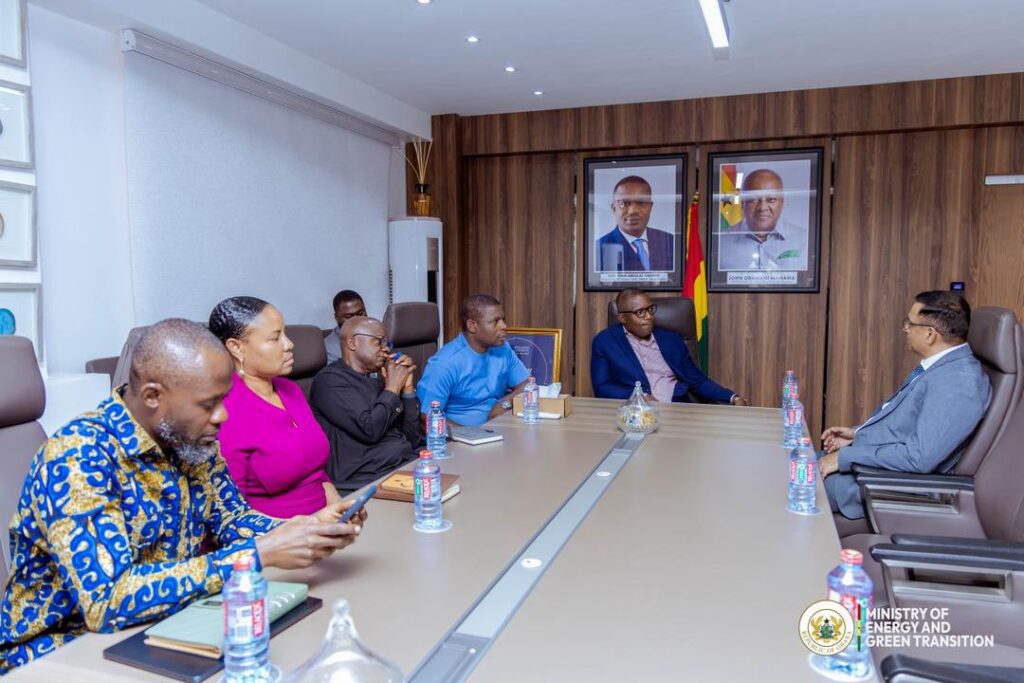
This diplomatic interface with the Pakistan Ambassador to Ghana, H.E. Najeeb Durrani, serves as a foundational step in expanding the “longstanding relations” between the two nations into the critical theater of energy security.
The discussions moved beyond traditional diplomatic pleasantries to address “areas of mutual interest” within the energy sector, specifically focusing on the volatile global energy landscape and the necessity for “stability in the international oil and gas market.”
As Ghana intensifies its pursuit of a net-zero future under its Energy Transition and Investment Plan, this collaboration seeks to leverage Pakistan’s technical capacities in infrastructure and manufacturing to stabilize domestic supply chains and foster sustainable growth.
Synergy in Technical Exchange and Infrastructure

The partnership is poised to provide significant technical dividends for both Accra and Islamabad.
Ghana, currently implementing a multi-billion-dollar Energy Transition and Investment Plan (ETIP), stands to benefit from Pakistan’s industrial scale in areas like fertilizer manufacturing and cement production, which are energy-intensive sectors requiring efficient power solutions.
Conversely, Pakistan can tap into Ghana’s growing expertise in decentralized renewable energy systems, such as the 12,000 net-metered solar PV systems being deployed nationwide.
This “mutual benefit” mentioned by the Minister likely involves a rich shared engineering best practices to reduce operational losses in the power grid, a challenge common to both developing economies.
Global Market Stability and Petroleum Cooperation
In an era of fluctuating “international oil and gas market” prices, the alignment between Ghana and Pakistan provides a unified front in advocating for market equilibrium.
By exchanging views on the “global energy landscape,” both nations are better positioned to navigate the complexities of upstream petroleum investments and fuel margin management.
This engagement suggests a future where Ghana might explore joint ventures in oil and gas logistics with Pakistani firms, potentially utilizing Pakistan’s strategic maritime insights to enhance Ghana’s own bunkering and midstream capabilities.
The focus remains on ensuring that “system security” is maintained through “self-sufficiency and low-risk access to supplies.”
Accelerating the Green Transition Agenda

Central to this bilateral drive is the “Green Transition” component of Dr. Jinapor’s mandate.
The collaboration is expected to catalyze investments in “core decarbonization technologies,” including green hydrogen and e-mobility.
Pakistan’s recent advancements in small-scale hydro and solar manufacturing offer a blueprint for Ghana’s “Solar Technology Application Resource Center.”
By fostering a “deepening of bilateral ties,” the two countries aim to create an investment-friendly environment that attracts climate finance.
This partnership is not merely a diplomatic formality but a calculated move to “unlock approximately USD 550 billion in investment opportunities” by 2060, ensuring that both nations remain competitive in a rapidly decarbonizing world.
READ ALSO: IMF Revises Ghana’s Growth Projection Upward to 4.8% Despite Global Uncertainty