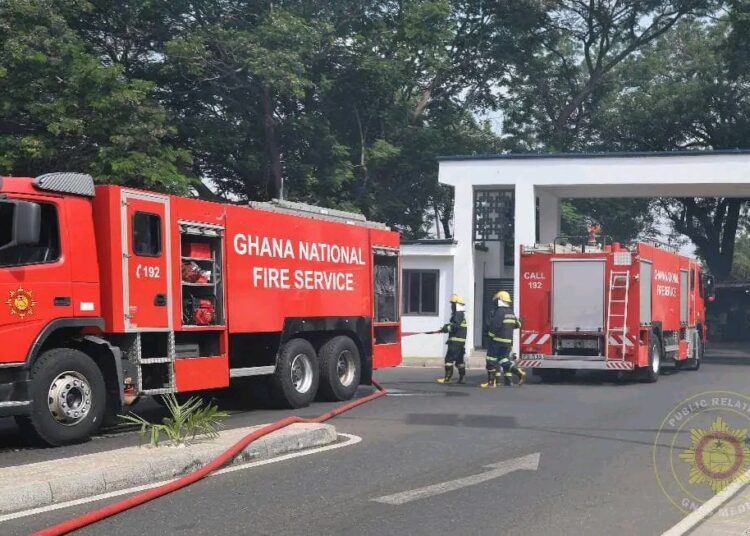
The Ghana National Fire Service (GNFS) has reported a significant decline in fire incidents, prank calls, and fire-related casualties for the first quarter of 2026, alongside a sharp increase in the value of salvaged property. The Service described the trend as a major step forward in improving fire safety and emergency response across the country.
According to a comparative report covering January to March 2025 and 2026, fire incidents dropped by 10.02 percent, while fire-related deaths fell by 53.5 percent. Injuries from fire incidents also declined by 62.79 percent, and bushfires saw a notable reduction of 62.81 percent.
The report, released on April 20, 2026, further revealed that prank calls to the Service decreased by 17.8 percent, indicating improved public awareness and responsible use of emergency lines. These gains, the GNFS noted, reflect the impact of sustained public education and strengthened operational strategies.
Decline in Fires and Improved Emergency Response
The GNFS recorded a total of 2,055 fire incidents between January and March 2026, compared to 2,261 cases during the same period in 2025. This reduction of 206 incidents highlights the effectiveness of enhanced fire prevention campaigns and stricter adherence to safety protocols by the public.
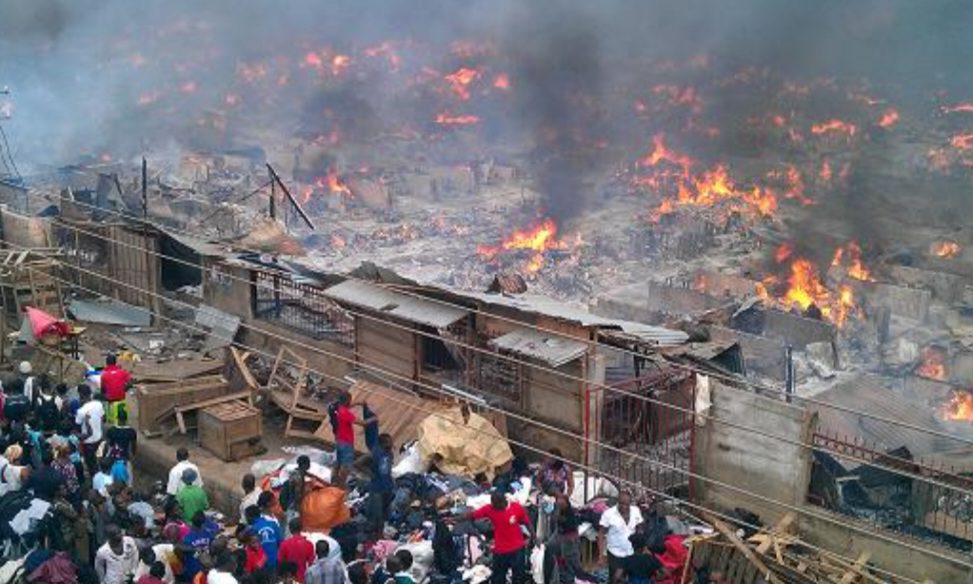
Fire-related fatalities dropped from 15 in 2025 to seven in 2026, while injuries reduced from 43 to 16 within the same period. These improvements underscore the growing efficiency of emergency response systems and increased public cooperation in fire prevention efforts.
A notable development was the rise in Out-on-Arrival (OOA) fire cases, which increased from 558 in 2025 to 651 in 2026. This represents 32 percent of cases and reflects improved community readiness to contain fires before the arrival of firefighters.
The GNFS attributed this trend to the success of its nationwide fire safety education programmes, which encourage early intervention and responsible action.The Service has long prioritised public education as a core function, aiming to reduce fire outbreaks through awareness and preventive measures.
Surge in Property Salvage Despite Damage Costs
One of the most striking highlights of the report is the sharp increase in the value of salvaged property. The GNFS reported that properties worth GH¢479,457,385.00 were saved in the first quarter of 2026, compared to GH¢151,026,471.40 in 2025. This represents an increase of over 217 percent.
The Service indicated that the improvement reflects enhanced firefighting strategies, better coordination, and quicker response times, which have helped limit the extent of damage during incidents. However, the report also noted an increase in the total cost of damage, which rose by 28.7 percent to GH¢215,479,467.00 in 2026.
The GNFS explained that this increase may be linked to the rising value of properties and assets at risk, even as response systems improve. Domestic fires remained the most common type, increasing from 770 cases in 2025 to 881 in 2026.
Commercial, vehicular, institutional, and industrial fires also recorded slight increases. In contrast, bushfires saw a sharp decline, dropping from 562 to 209 cases, reflecting the impact of targeted interventions.
Regional Trends and Major Fire Causes
Regionally, the Greater Accra Region recorded the highest number of fire incidents with 377 cases, followed by the Ashanti Region with 337 and the Central Region with 184. The Oti Region recorded the lowest number of incidents at 21, indicating effective local prevention efforts.The GNFS identified several major causes of fires during the period under review.
These include electrical faults resulting from misuse of appliances, unattended cooking, gas leakages from improper handling of LPG cylinders, and indiscriminate burning of refuse and bushes.
Other causes include the misuse of naked lights such as candles and mosquito coils, lightning strikes, and deliberate acts. The Service has consistently warned that many fire outbreaks are preventable and often linked to negligence.
Emerging Challenges in Rescue Operations
Despite the positive trends in fire-related incidents, the report highlighted emerging challenges in other areas of emergency response. Road traffic collision (RTC) cases increased significantly from 144 in 2025 to 211 in 2026, representing a 46.53 percent rise.
RTC-related deaths also rose from 86 to 130, while injuries increased from 500 to 932. Additionally, other rescue operations, including incidents such as structural collapses and bee attacks, more than doubled from 42 cases in 2025 to 92 in 2026.
The GNFS noted that these trends require intensified collaboration with institutions such as the National Road Safety Authority and other stakeholders to address the growing risks associated with road accidents and non-fire emergencies.
Commitment to Public Safety
The GNFS reaffirmed its commitment to enhancing public safety through a combination of education, enforcement, and strategic partnerships. The Service plans to intensify fire safety campaigns across residential areas, markets, transport hubs, and institutions using both traditional and digital media platforms.
It also intends to expand fire safety audits and inspections in commercial and public buildings to identify hazards and enforce compliance. Community fire volunteer programmes will be strengthened to help prevent bushfires and promote climate-resilient practices.
Furthermore, the Service will collaborate with relevant agencies to improve road safety awareness and reduce accidents involving emergency vehicles. The public has also been urged to adhere strictly to fire safety guidelines to prevent avoidable incidents.
Overall, the GNFS described the first quarter of 2026 as a period of significant progress, marked by reduced fire incidents and improved response outcomes. However, it emphasised that sustained effort and public cooperation will be essential to maintaining these gains and addressing emerging challenges.
READ ALSO: From Trotro Stops to the New York Times