The Minority Caucus in Parliament has accused the governing National Democratic Congress of orchestrating a coordinated effort to weaken and dismantle the Office of the Special Prosecutor.
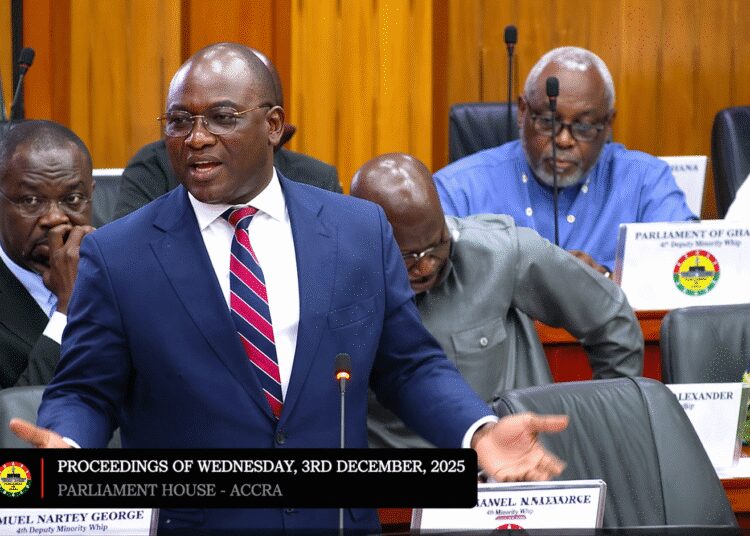
Addressing a press conference, Alhassan Tampuli Sulemana, speaking on behalf of the New Patriotic Party Minority, described recent legal and political developments as part of a deliberate strategy to undermine the anti-corruption institution.
According to him, a series of petitions, legal actions, and court rulings targeting the Special Prosecutor, Kissi Agyebeng, were not isolated events but interconnected moves aimed at delegitimizing the office.
He argued that the volume and nature of petitions filed against the Special Prosecutor were unprecedented in Ghana’s Fourth Republic.
“Now, when was the last time in the history of Ghana’s Fourth Republic that 15 petitions were filed against any public officeholder under Article 146? The answer is zero”.
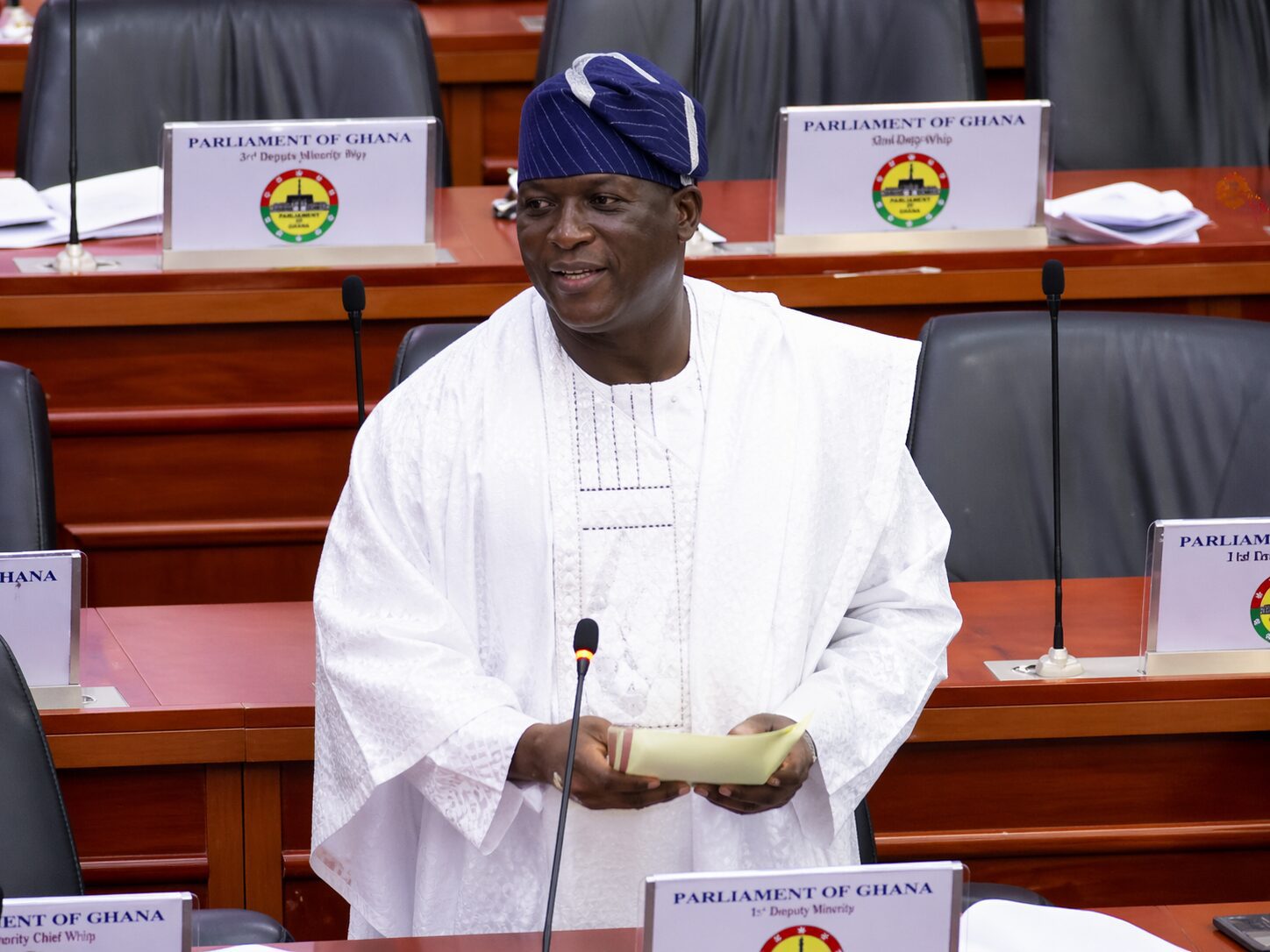
Hon. Alhaji. Alhassan Tampuli Sulemana. Member of Parliament for Gushegu Constituency
Petitions and Legal Challenges
The Minority contends that the petitions, which were forwarded by President John Mahama to the Chief Justice, failed to establish any prima facie case. The Chief Justice’s response, according to the Minority, confirmed that none of the petitions met the constitutional threshold required for further action.
Despite this, the Minority alleges that the campaign against the OSP continued through other means. It pointed to a Supreme Court case filed shortly after a legislative attempt to repeal the OSP Act failed, suggesting that the timing was not coincidental.
The MP argued that the legal action sought to challenge the constitutionality of the OSP’s prosecutorial powers, describing it as a continuation of efforts to dismantle the institution through judicial processes rather than legislative action.
“What we are witnessing is a calculated continuation of the same campaign by different means,” he said, adding that the failure to repeal the law in Parliament had led to a shift toward constitutional litigation.
Attorney General’s Role Under Scrutiny
A key concern raised by the Minority is the role of the Attorney General and the Minister for Justice in the ongoing legal battles. The group criticized the Attorney General for allegedly failing to defend the state institution and instead opposing the OSP’s attempt to join the Supreme Court proceedings.
According to the Minority, this position effectively prevented the Special Prosecutor from defending its mandate in a case that directly affects its constitutional authority. The MP described the move as unprecedented and inconsistent with the responsibility of the Attorney General to protect state institutions.

The Minority further linked these developments to a High Court ruling that declared the OSP’s prosecutorial powers unconstitutional and nullified its ongoing cases. The ruling, delivered in a quo warranto application, also directed the Attorney General to take over all prosecutions previously handled by the OSP.
Constitutional Concerns and Next Steps
The Minority has challenged the legal basis of the High Court decision, arguing that only the Supreme Court has the authority to interpret constitutional matters. It described the ruling as inconsistent with Article 130 of the Constitution, which vests exclusive jurisdiction in the apex court.
It maintained that the law establishing the OSP remains valid and enforceable until the Supreme Court rules otherwise. The group has called for urgent legal action, including an appeal and a stay of execution of the High Court decision.
The Minority also indicated plans to summon the Attorney General before Parliament to explain his position and to push for a parliamentary inquiry if necessary. It emphasized that it would pursue all available legal and constitutional avenues to defend the OSP.
The NPP Minority framed the issue as a test of Ghana’s commitment to fighting corruption and maintaining institutional independence. It warned that weakening the OSP could reverse gains made in ensuring accountability, particularly in cases involving politically exposed persons.
The MP concluded that the developments surrounding the OSP should concern all Ghanaians, urging public scrutiny of what he described as a coordinated attempt to undermine an institution designed to operate independently of executive control.
READ ALSO: Ghana’s 2025 Fiscal Performance Reflects Revenue Shortfalls and Spending Discipline