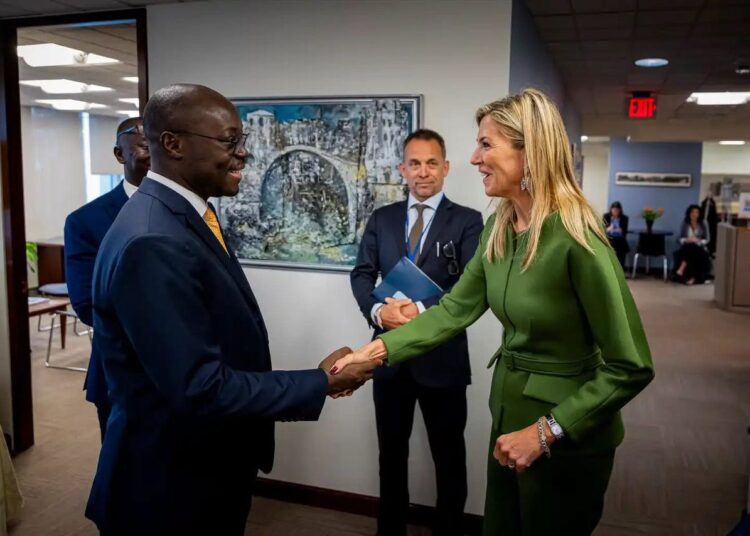
Ghana is intensifying its push toward a more inclusive and resilient financial system following high-level discussions between Finance Minister Dr. Cassiel Ato Forson and Queen Máxima, the United Nations Secretary-General’s Special Advocate for Financial Health.
The meeting marked a significant moment in the country’s ongoing efforts to redefine financial inclusion beyond access and toward meaningful empowerment.
Speaking after the engagement, Dr. Forson emphasized that the conversation extended far beyond traditional financial metrics. He noted that the dialogue focused on the deeper concept of financial health, which prioritizes the ability of individuals to actively benefit from the financial system.
According to him, the discussions were centered on ensuring that individuals are not only connected to financial services but are also equipped to use them effectively in improving their livelihoods. This shift reflects a growing global consensus that access alone is insufficient without empowerment.
“Our conversation went beyond finance in its narrow sense. We spoke about financial inclusion, but more profoundly about financial health, the condition in which individuals are not merely connected to the financial system, but are empowered by it.”
Dr. Cassiel Ato Forson
Human-Centered Economic Policy
The Finance Minister used the opportunity to underscore a fundamental shift in Ghana’s economic thinking. He stressed that economic progress should not be measured solely by macroeconomic indicators, but by the real impact on people’s lives.
“At its core, an economy is not a compilation of figures. It is a living expression of human agency. It reflects whether people can withstand shocks, pursue opportunity, and plan their futures with confidence.”
Dr. Cassiel Ato Forson
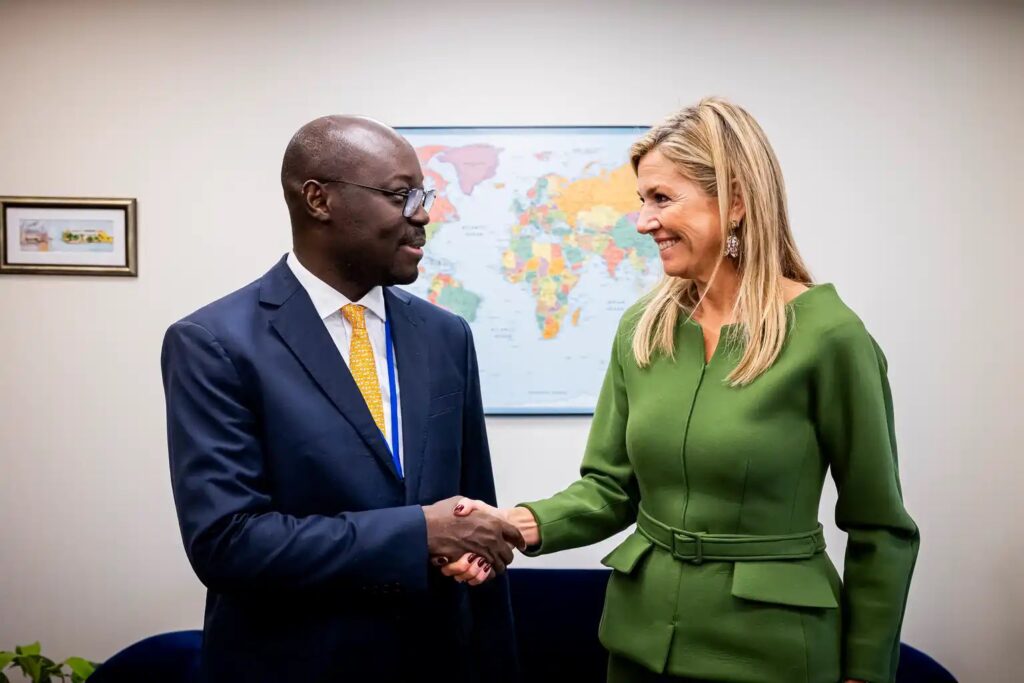
This perspective aligns with Ghana’s broader reset agenda, which seeks to translate economic gains into tangible improvements in household welfare. The emphasis is on building resilience among citizens, especially in the face of global uncertainties and domestic economic challenges.
Reset Agenda Anchored on Inclusion
Dr. Forson outlined that the government’s reset agenda is guided by a clear and ambitious philosophy that connects stability, growth, and access directly to the well-being of citizens.
“In our reset agenda, we are guided by a simple but demanding philosophy. Stability must translate into security for households. Growth must translate into opportunity for individuals. And access must translate into dignity for all.”
Dr. Cassiel Ato Forson
This framework places people at the center of economic policy and aims to ensure that financial systems serve as tools for empowerment rather than barriers to participation.
The approach is expected to influence policy direction across sectors, including banking, digital finance, and social protection, as Ghana works to close existing gaps in financial inclusion.
Financial Systems as Enablers of Opportunity
A key takeaway from the meeting was the need to reimagine financial systems as enablers of everyday life rather than distant institutions that are difficult to navigate. Dr. Forson highlighted the importance of making financial services more accessible, user-friendly, and impactful.
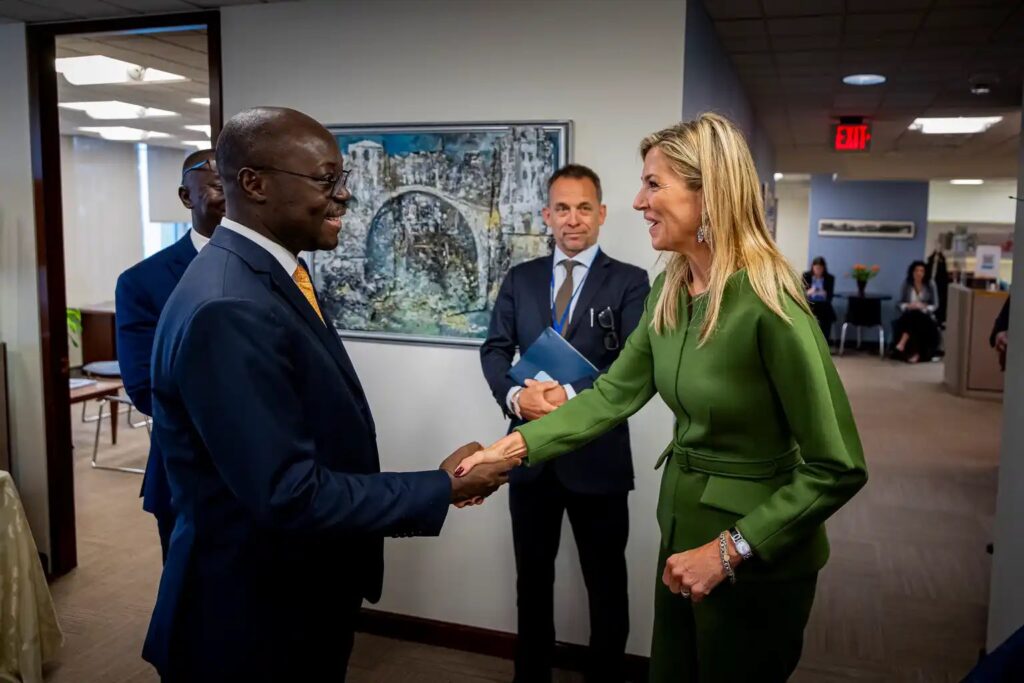
“Financial systems must not exist as distant structures that people navigate with difficulty. They must function as instruments that enable life to be lived with certainty, purpose, and hope.”
Dr. Cassiel Ato Forson
This vision aligns with ongoing efforts to expand digital financial services, improve financial literacy, and strengthen regulatory frameworks to protect consumers while encouraging innovation.
Commitment to Inclusive Growth
The Finance Minister reaffirmed Ghana’s commitment to building an inclusive economy where every citizen has the opportunity to participate and benefit. He noted that inclusion must go beyond symbolic gestures and translate into practical outcomes.
“We are therefore committed to building an economy where inclusion is not symbolic, but practical. Where participation is not limited, but universal. And where no Ghanaian is left outside the circle of opportunity.”
Dr. Cassiel Ato Forson
This commitment comes at a time when many economies are grappling with inequality and uneven access to financial resources. Ghana’s approach seeks to address these challenges head-on by prioritizing inclusivity in its economic strategy.
Measuring Progress Through People
Dr. Forson concluded by emphasizing that the true measure of Ghana’s progress lies in the strength and resilience of its people rather than in aggregate economic figures. “Because the true test of our progress is not the strength of our aggregates, but the strength of our people,” he noted.
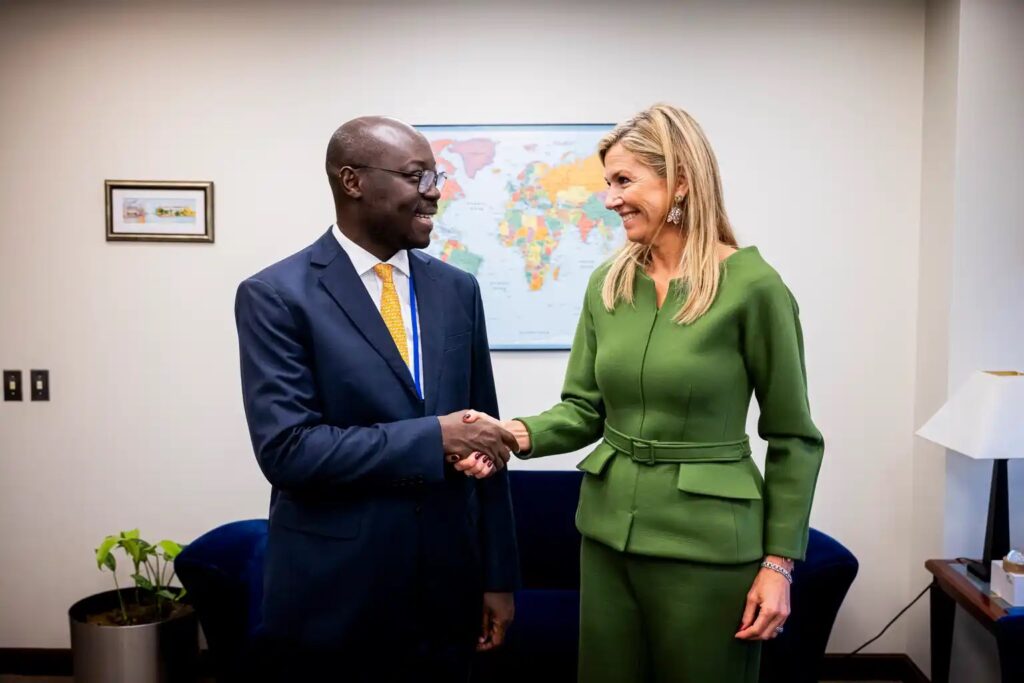
The meeting with Queen Máxima is expected to strengthen Ghana’s collaboration with international partners in advancing financial health initiatives. It also reinforces the country’s commitment to aligning its policies with global best practices in inclusive finance.
As Ghana continues on its economic recovery path, the focus on financial health and inclusion is likely to play a critical role in ensuring sustainable and equitable growth for all citizens.