Hon. John Jinapor, Minister for Energy and Green Transition, has underscored the resilience of the nation’s power sector while addressing the significant disruptions caused by recent technical failures and a critical fire incident at the Akosombo generation plant.
Despite the current instability, the minister maintains that the overall trajectory of the sector remains progressive, with ongoing reforms designed to fortify the country’s power infrastructure against future vulnerabilities.
“But notwithstanding these challenges, the overall trajectory of the power sector remains strong, progressive, we continue with the reforms, and I must say that the sector remains resilient despite the recent challenges.”
Hon. John Jinapor

The stability that many Ghanaians have enjoyed over the past year has been abruptly tested by a two-pronged crisis, comprising both an unprecedented weekend emergency and longstanding technical hurdles.
These systemic challenges stem from a combination of obsolete equipment, overloaded transformers, and frequent equipment failures that have placed immense strain on the national grid.
The fire incident at Akosombo, which severely damaged the control room responsible for power evacuation, has crippled a critical component of the transmission system, leaving over 1,000 megawatts of power stranded and inevitably resulting in supply disruptions across the country.

The Socio-Economic Toll of Power Instability
The ripple effects of these outages are being felt nationwide, as the loss of power described by industry experts as “the lifeblood of any modern economy” threatens to erode economic stability.
Across various regions, businesses and households are grappling with the consequences of prolonged blackouts. Small and medium-sized enterprises (SMEs) are particularly hard-hit, as frequent interruptions increase operational costs and force reliance on expensive, unsustainable backup power sources.
In sectors ranging from manufacturing to healthcare, the lack of a consistent power supply is severely impacting productivity.
For instance, reports from the Oti Region have highlighted how recent blackouts lasting up to 22 hours have disrupted essential livelihoods, with small-scale traders suffering financial losses as refrigerated goods spoil.
Furthermore, academic and social activities have faced significant setbacks, with educators and service providers struggling to maintain standard operations. Think tanks and energy advocates have warned that if the trend of persistent outages continues unchecked, Ghana could face a cumulative economic impact of up to $2 billion annually, potentially deterring foreign direct investment and slowing industrial growth.
Navigating Infrastructure Vulnerabilities
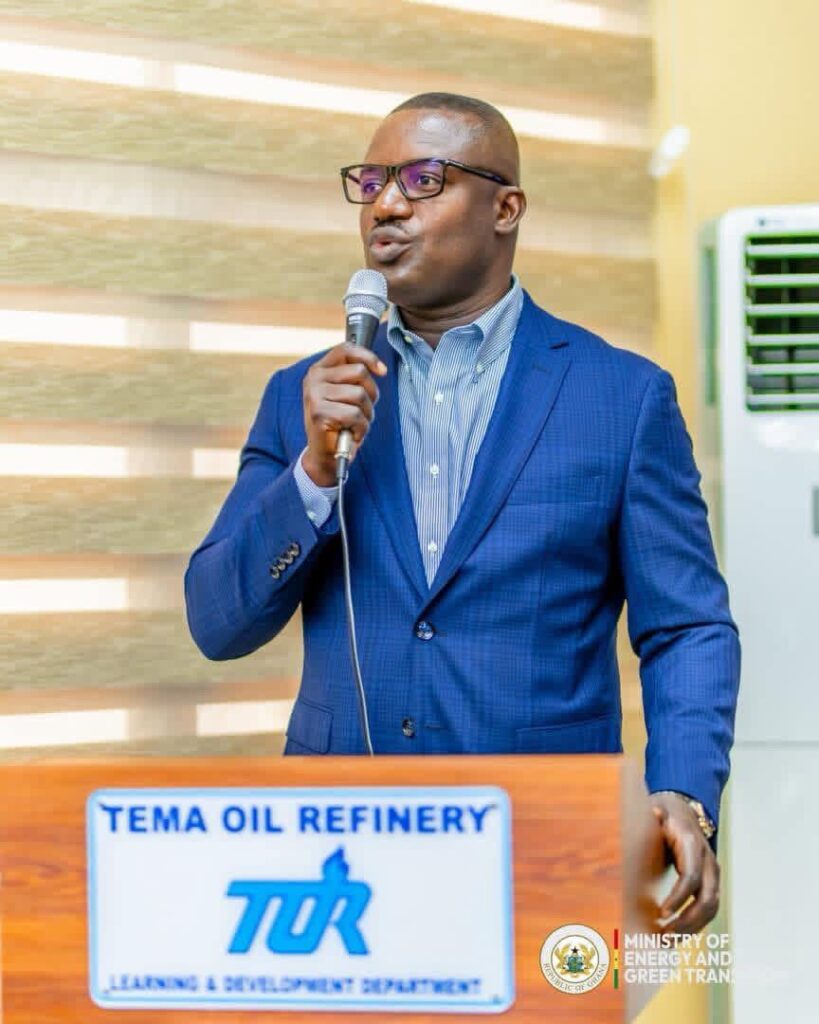
The Minister has acknowledged that the sector is currently navigating a “very challenging period” characterized by aging infrastructure.
The reliance on legacy equipment has exacerbated the impact of the recent fire, as the control room’s failure effectively severed the link between generation and distribution.
This “unexpected incident” has exposed the fragility of the national grid, prompting the government to expedite technical audits and implement urgent remedial measures. To address these vulnerabilities, the Ministry is focused on accelerating critical reforms that go beyond immediate damage control.
The administration’s strategy emphasizes the need to move past reactive maintenance and toward a more proactive, modernized framework.
This includes plans to replace obsolete transformers and upgrade transmission bottlenecks that have historically plagued the sector.
By prioritizing these structural improvements, the Minister aims to restore public confidence and ensure that the energy sector can withstand both technical malfunctions and unforeseen disasters without compromising the national grid’s integrity.
A Committed Path to Recovery
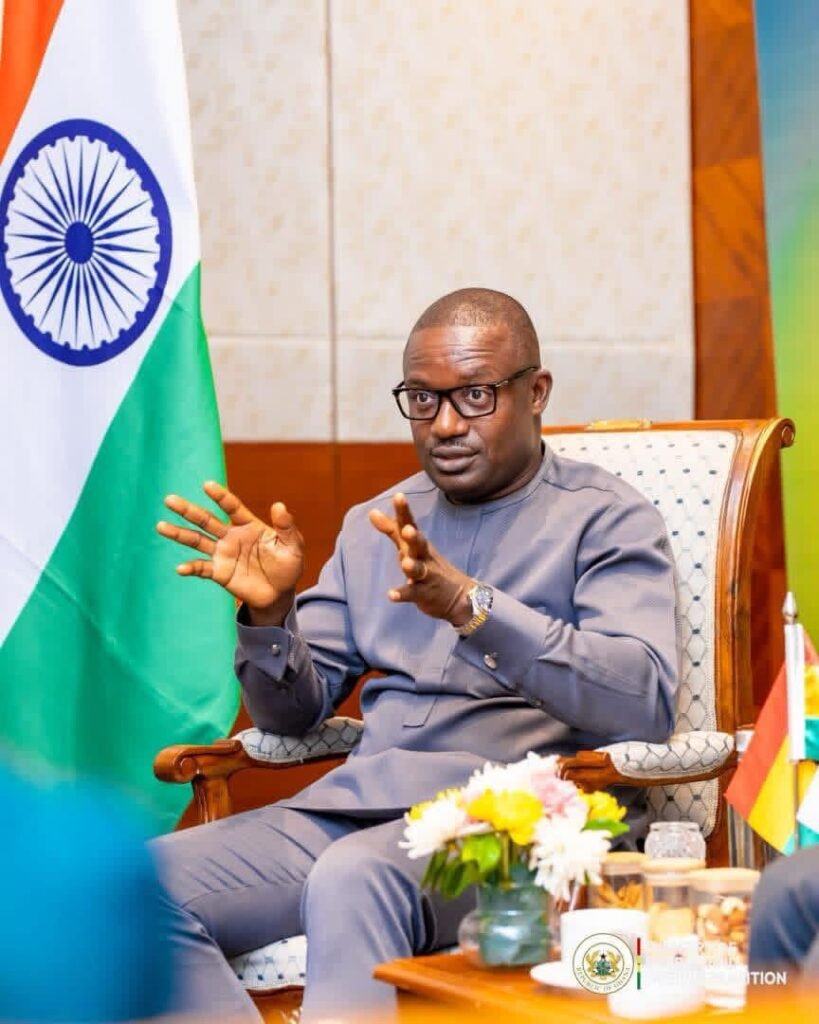
Reflecting on his mandate, Hon. Jinapor reaffirmed his determination to work with his team to overcome these hurdles, stressing that the ministry has not relented in its efforts to stabilize supply.
The government’s approach includes a renewed focus on long-term resilience, integrating more efficient, modern technologies to manage power evacuation effectively.
As the investigations into the Akosombo incident continue, the focus remains on ensuring that such a disaster one the Minister noted he had “never witnessed” is never repeated.
The path forward involves a blend of immediate operational interventions and sustained policy shifts aimed at safeguarding the country’s energy future. While the current situation is difficult, the Ministry insists that the foundational reforms currently in place will ultimately ensure that the energy sector emerges stronger and better equipped to serve the social and economic needs of all Ghanaians.
READ ALSO: Lordina The Soprano Set to Unveil “Show Me Your Glory” in London