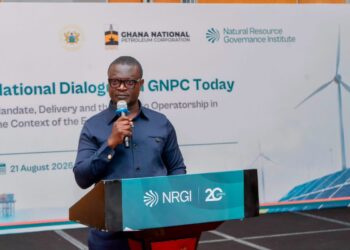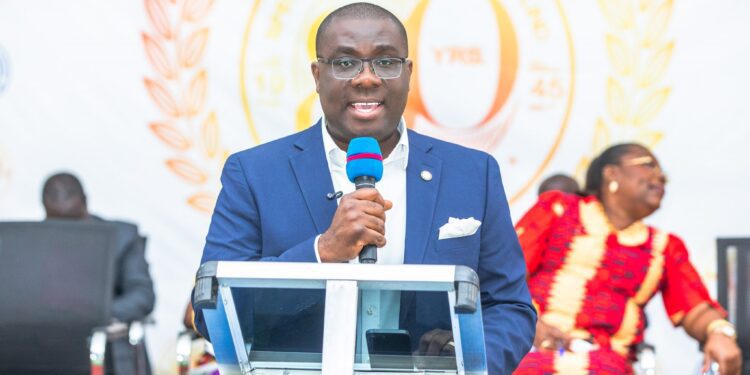
Hon. Sammi Awuku, Member of Parliament for the Akuapim North Constituency, has issued an urgent call to President John Dramani Mahama to intervene in the current, erratic power supply affecting the nation.
The lawmaker stressed that the recurring instability, often referred to as “on-and-off” power, is creating an environment of severe distress for thousands of young students currently preparing for critical national examinations.
This appeal highlights a looming crisis for the education sector, as the West Africa Senior School Certificate Examination (WASSCE) commenced on April 21, 2026, while Basic Education Certificate Examination (BECE) candidates are scheduled to begin their papers on May 4, 2026.
“When lights go off in the middle of studying, it breaks concentration, slows learning and in some cases creates unnecessary anxiety at a time when they need calm and focus the most. Parents are becoming increasingly worried and some of the children are already getting disillusioned.”
Hon. Sammi Awuku

The MP indicated that inconsistent electricity directly impedes cognitive performance and psychological readiness; research consistently shows that when students lack reliable lighting, they face heightened anxiety, disrupted sleep patterns, and increased feelings of isolation, all of which are statistically correlated with lower academic achievement and hindered project completion.
“The President and government cannot turn their back on these young ones at this time. Their future really matters. Please ACT Now!” Awuku said.
The Human Cost of Energy Instability
The lack of a stable energy supply during this pivotal period is causing more than just inconvenience; it is breaking the concentration required for high-stakes revision.
For candidates, the “defining moment” of their academic journey is currently being marred by the anxiety of potential blackouts during late-night study sessions.

As one education analyst noted, “The disruption of study routines and limited access to resources contribute to a cycle of reduced motivation and productivity among students, effectively stifling their potential just weeks before the examinations.“
Parents across the country are expressing growing alarm, fearing that the lack of steady power will force their children to rely on unsafe or inadequate lighting, such as candles or kerosene lanterns, which further complicates the learning environment.
Wider Economic Implications
Beyond the immediate impact on classrooms, the power crisis is placing an immense burden on the national economy, extending far beyond the student population.
Small-scale entrepreneurs, local businesses, and independent workers, who rely on a consistent grid to remain operational, are struggling to maintain productivity levels. The cumulative effect of these outages creates an “added stress” that permeates homes and workplaces alike.
While the government faces pressure to stabilize the energy sector, the urgency of this situation is amplified by the fact that the examination body, the West African Examinations Council (WAEC), will maintain its testing schedule regardless of the challenges individual students may face.
A Call for Immediate Policy Reform
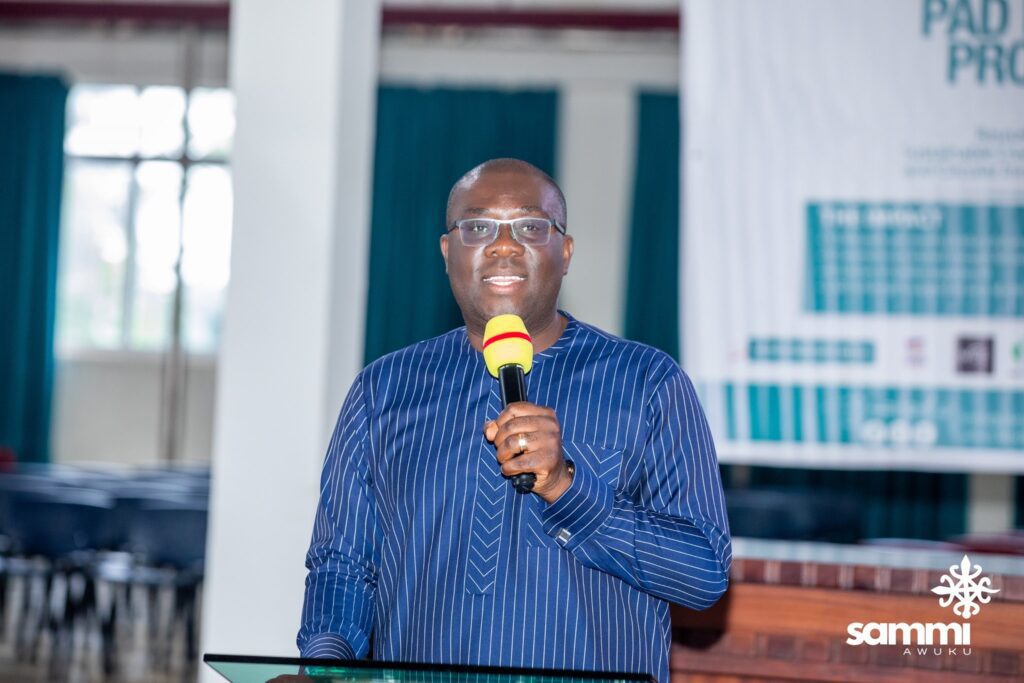
The appeal from the Akuapim North MP serves as a broader demand for the Minister of Energy and Green Transition to prioritize reliability for residential areas housing examination candidates.
The instability has sparked a national conversation about the need for resilient energy infrastructure that can withstand the demands of a developing economy without compromising critical public services like education.
As the nation watches, stakeholders are looking for swift, decisive action to ensure that the current cohort of students is provided with a “fair and stable environment” to demonstrate their academic capabilities.
With the BECE examinations approaching in one week, the call remains clear: the state must act to mitigate the “real frustration” felt by citizens before the academic consequences become irreversible.