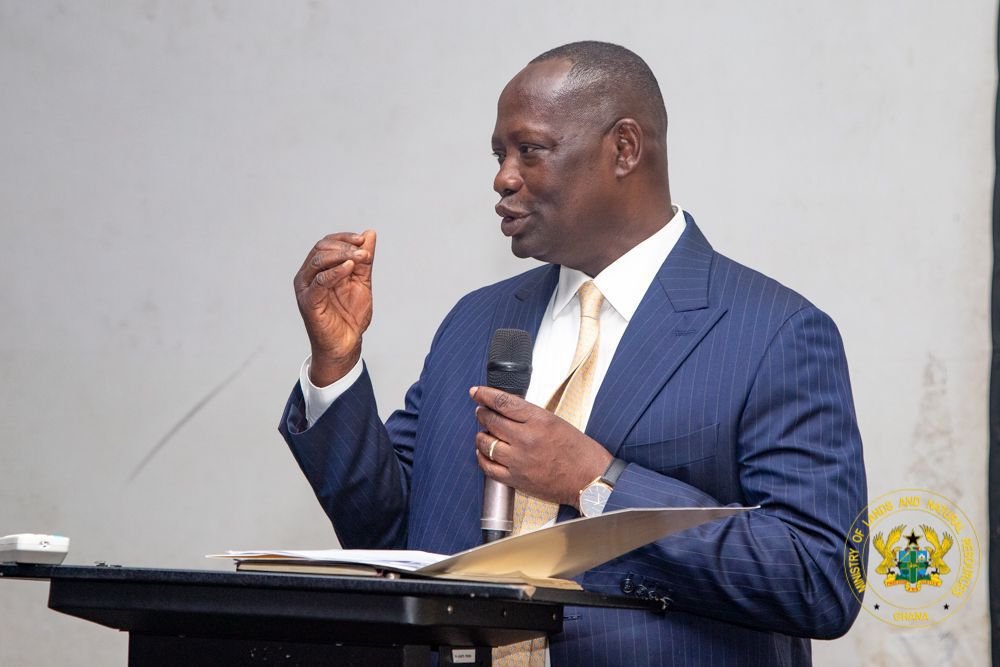
Hon. Emmanuel Armah-Kofi Buah, Minister of Lands and Natural Resources, made a compelling case for Ghana’s emerging critical minerals sector during a high-profile engagement with global financiers in the United States.
Speaking at the Exclusive Investors’ Forum held at the prestigious Penn Club of New York, the Minister signaled a strategic pivot in the nation’s extractive industry, moving beyond its traditional gold dominance to embrace a future anchored by lithium, bauxite, and iron ore.
This diplomatic and economic mission, hosted by Newcore Gold Ltd, served as a global stage to pitch Ghana’s renewed industrial ambitions to an audience of elite mining investors and stakeholders.
“Accompanied by Ghana’s Ambassador to the US, H.E. Victor Smith, I shared the vision of President John Dramani Mahama’s “Reset Agenda,” which is a transformative drive to solidify Ghana’s position as Africa’s premier mining destination and a rising hub for critical minerals, including lithium, bauxite, and iron ore.”
Hon. Emmanuel Armah-Kofi Buah, Minister of Lands and Natural Resources

Accompanied by H.E. Victor Smith, Ghana’s Ambassador to the United States, the Minister articulated the specific tenets of President John Dramani Mahama’s “Reset Agenda,” a policy framework designed to re-engineer the country’s economic landscape through sustainable resource management.
This transformative drive aims to solidify Ghana’s standing as Africa’s premier mining destination by focusing on “green minerals” that are essential to the global energy transition.
The Minister emphasized that the administration is not merely seeking extractive partnerships but is inviting investment into a modernized, integrated value chain that encompasses everything from high-tech exploration to domestic refining and engineering services.
Strategic Shift Toward Value Addition and Industrialization
The “Reset Agenda” represents a departure from the historical “dig and ship” model that has long characterized West African mining.
By prioritizing the development of bauxite and lithium, Ghana is positioning itself to enter the global battery and electric vehicle (EV) supply chains.
Investment in these sectors is projected to catalyze significant economic growth by fostering the establishment of domestic refineries, which could potentially triple the export value of raw ores.

This focus on downstream processing is intended to shield the Ghanaian economy from the volatility of global commodity prices while ensuring that a larger share of the mineral wealth remains within the country to fund infrastructure and social services.
Furthermore, the government’s push for “ethical and forward-looking” investment highlights a commitment to environmental, social, and governance (ESG) standards.
By attracting investors who prioritize transparency and community development, Ghana aims to mitigate the environmental impact of mining while maximizing job creation for its youth.
The minister’s pitch in New York focused on the fact that “Ghana is ready for the future,” suggesting that the legal and regulatory frameworks are being streamlined to support long-term capital commitments in smelting and chemical processing plants for lithium and bauxite.
Strengthening the Critical Minerals Value Chain
To support this ambitious hub status, the Ministry of Lands and Natural Resources is actively promoting the development of supporting industries, including engineering, laboratory services, and specialized logistics.
This holistic approach ensures that the “Reset Agenda” does not operate in a vacuum but creates a “multiplier effect” across the broader economy.
For instance, the integration of the bauxite-to-alumina industry is expected to revitalize the railway sector and provide raw materials for local manufacturing, effectively turning the mining sector into an engine for industrialization rather than just a source of foreign exchange.
The presence of Ambassador Victor Smith at the forum underscored the diplomatic weight behind these economic reforms, signaling to the New York financial community that the Ghanaian government is unified in its “open for business” stance.
By diversifying the mineral portfolio to include iron ore and lithium, Ghana is effectively hedging against the depletion of traditional gold reserves and aligning its national interest with the global “Green Revolution.”
Economic Benefits and National Transformation
The long-term benefits of this investment drive extend far beyond the balance sheets of multinational corporations.
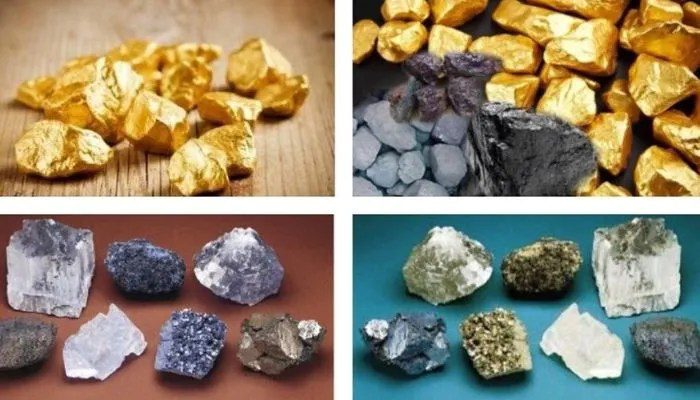
Thorough research into the “Reset Agenda” suggests that a successful pivot to a critical minerals hub will lead to enhanced local content participation, ensuring that Ghanaian firms are not just bystanders but active participants in the high-value segments of the industry.
Increased tax revenues and royalties from value-added mineral products are earmarked for the “Reset” of public services, aiming to bridge the developmental gap in mining communities that have historically felt neglected.
READ ALSO: No More Blanket Tax Waivers on Medical Imports, President Mahama Declares