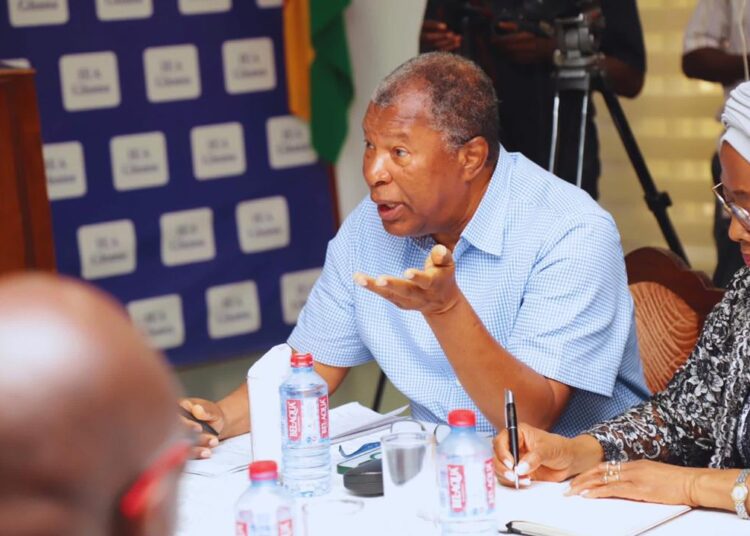
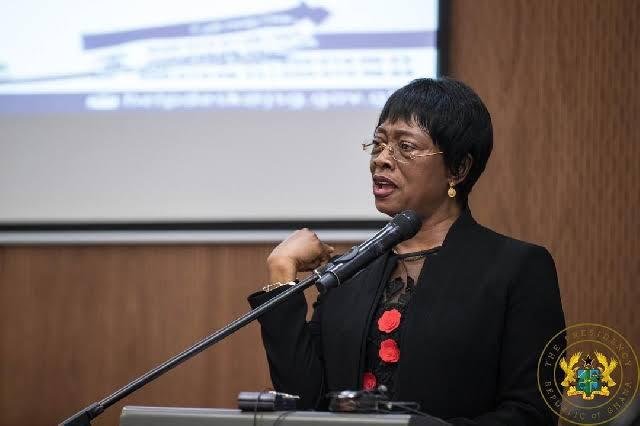
Institute of Economic Affairs (IEA) founder, Dr. Charles Mensa has asserted that the Ghanaian state possesses a robust and highly experienced pool of mining professionals capable of assuming full management of the Tarkwa Mine.
This declaration in an interview with The Vaultz News comes as the current mining lease held by Gold Fields approaches its expiration in April 2027, presenting what the IEA describes as a “rare and historic opportunity” for the nation to reclaim strategic control.
“Ghana, today, possesses a highly experienced pool of mining professionals with technical expertise and operational competence to be able to operate the Tarkwa mine successfully should the government deny the Goldfields lease extension. They can manage, not only the Tarkwa mines but also every mine in this country.”
Dr. Charles Mensa
By declining a lease extension, the government could shift from a royalty-tax model to one of direct ownership, ensuring that the substantial revenues generated by high global gold prices are channeled toward national transformation rather than being repatriated by foreign entities.
Expanding on this position, the IEA highlights that over six decades of academic and technical investment has culminated in a workforce that rivals international standards.
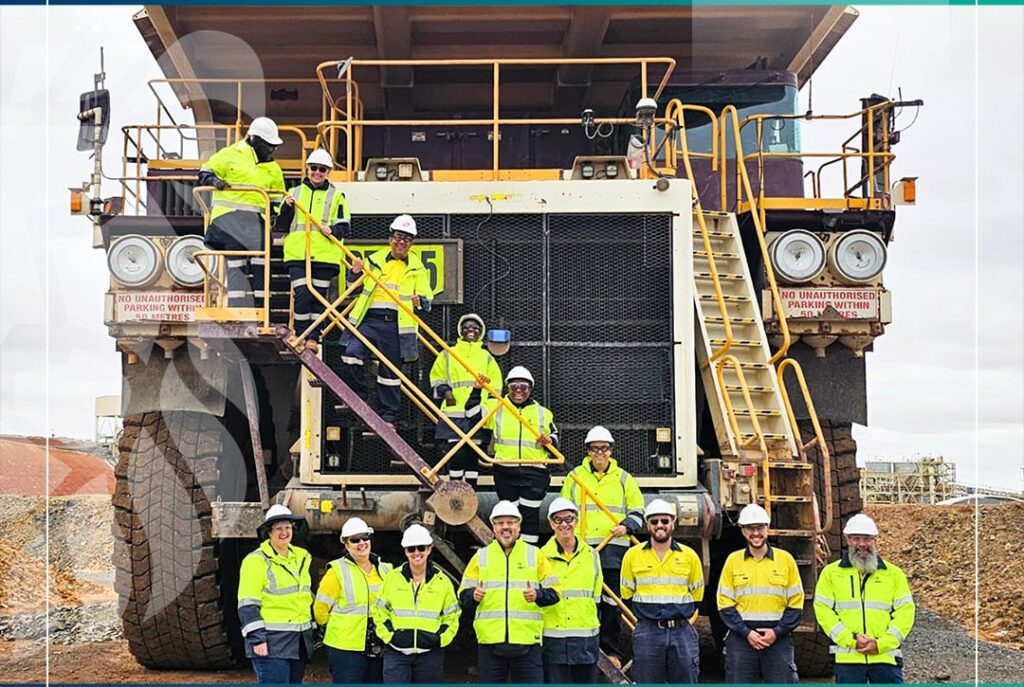
The University of Mines and Technology (UMaT) has been central to this development, producing globally recognized geologists, mining engineers, and managers who already lead complex operations across the continent.
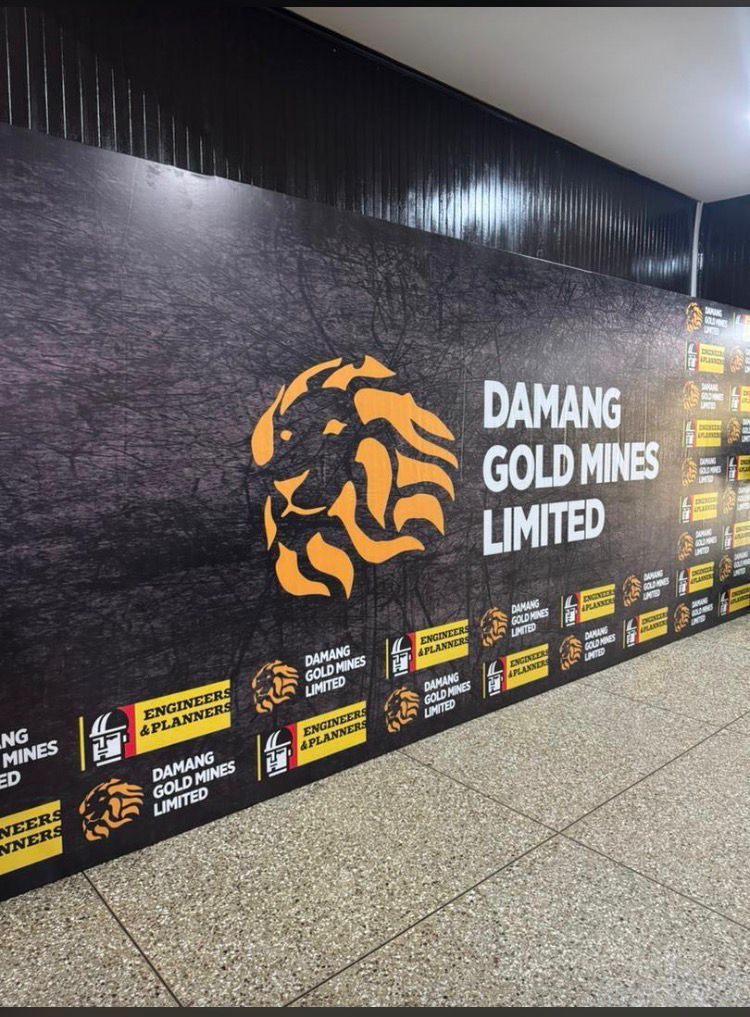
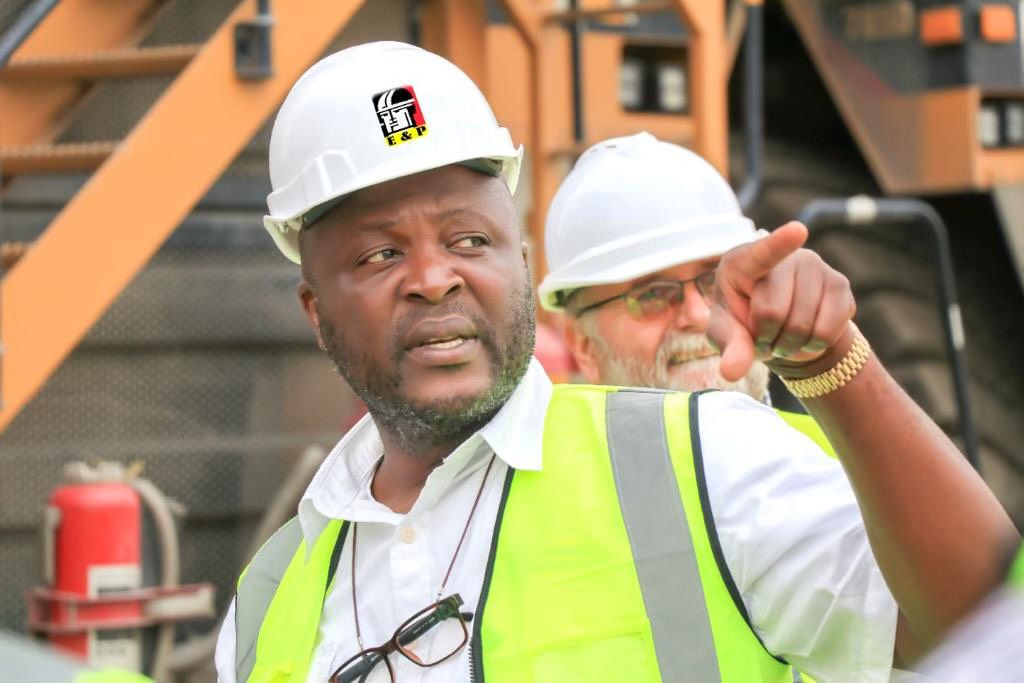
Furthermore, the Institute points out that many large-scale mining activities in Ghana are currently being executed by indigenous firms such as Rocksure International and Engineers & Planners.
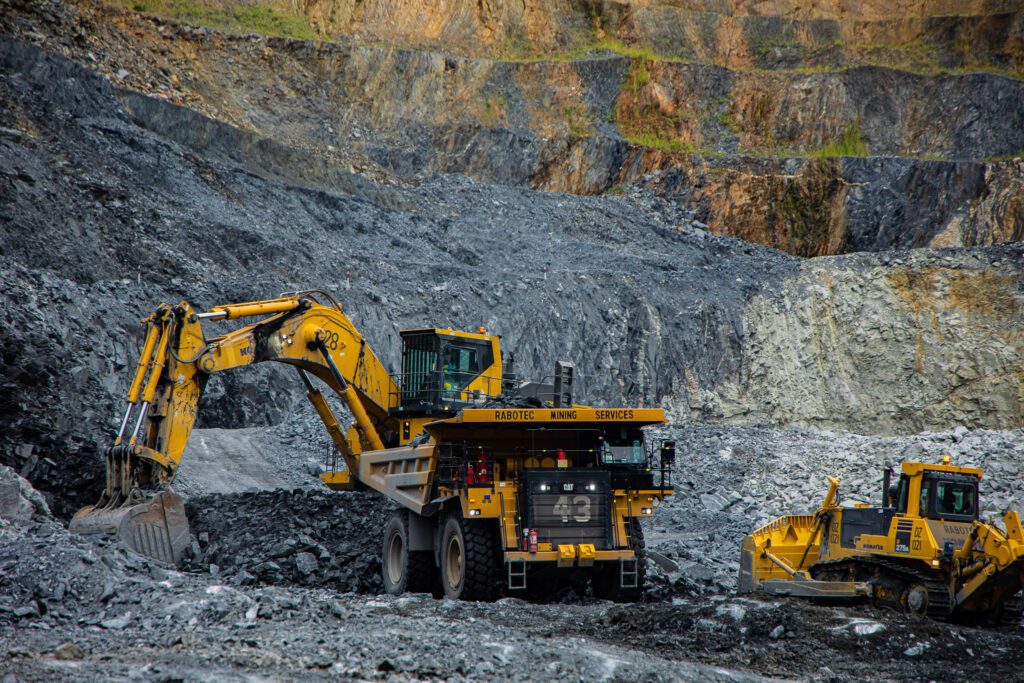
These local service providers already handle significant operational segments at the Tarkwa Mine itself, suggesting that the transition from foreign concessionaire to indigenous management would be a logical step rather than a technical risk.
Economic Sovereignty and the Pan-African Vision
The push for indigenous control is rooted in a deep-seated desire for economic sovereignty, a vision famously championed by founding leaders like Kwame Nkrumah and Julius Nyerere.
The IEA argues that the current administration, led by President John Mahama, has frequently echoed these sentiments, advocating for a pathway where natural resources serve the welfare of the Ghanaian people first.
By taking over the Tarkwa asset, the government can move beyond collecting mere royalties and taxes, instead retaining the full value of the gold produced.
This shift is seen as essential for correcting historical imbalances where mining communities remain underdeveloped despite the immense wealth extracted from their lands.
Legal Foundations for Resource Reclamation
International law provides a solid framework for Ghana to exercise its right to self-determination over its mineral wealth.
The IEA references United Nations General Assembly Resolutions 1803 and 3281, which affirm the sovereign right of nations to utilize their resources in the exclusive interest of their citizens.
Domestically and regionally, the African Charter on Human and Peoples’ Rights reinforces this, specifically under Article 21, which mandates that “under no circumstances shall a people be deprived of the right to freely dispose of their wealth.”
This legal backing empowers the Ghanaian government to eliminate foreign economic exploitation and ensure that the “advantages derived from national resources” are fully realized by the state.
Strategic Benefits of Localized Management
Entrusting local professionals with the management of the Tarkwa Mine offers multifaceted benefits for the Ghanaian government and the broader economy.
It ensures the “plowback” of profits; unlike foreign corporations that repatriate dividends to offshore shareholders, indigenous management ensures that earnings remain within the local banking system, stabilizing the Cedi and fueling domestic investment.
It also fosters a more accountable relationship between the mine and the host community. Local firms are often more attuned to the environmental and social nuances of the region, leading to more sustainable development projects.
Ultimately, giving Ghanaian experts the helm at Tarkwa would not only boost national pride but also serve as a blueprint for the total indigenous transformation of the extractive sector, securing Ghana’s financial future during this era of record-high gold valuations.
READ ALSO: MoTAI Strengthens Industrial Trade with New National Policy Review Committee