Institute of Economic Affairs (IEA) has called on the Parliament of Ghana, traditional authorities, civil society organisations, labour groups, and all patriotic Ghanaians to reject the proposed lease extension for the Gold Fields Tarkwa Mine.
This strategic intervention comes as the mine’s current lease approaches its expiration in April 2027, presenting what the think tank describes as a “rare and historic opportunity” for the state to reclaim full ownership and control of one of its most productive mineral assets.
By blocking the extension, the IEA argues that Ghana can finally pivot away from the colonial-era concessionary models that have historically favored foreign multinational interests over national development.
“The IEA therefore calls upon Government, Parliament, traditional authorities, civil society organisations, labour groups, and all patriotic Ghanaians to resist any attempt to approve Gold Fields’ proposed lease extension for the Tarkwa Mine. Ghana must seize this historic moment to redefine its relationship with its natural resources in a manner that secures enduring prosperity and economic sovereignty for present and future generations.”
Institute of Economic Affairs (IEA)
This push for a paradigm shift is necessitated by the exceptionally high global gold prices, which the IEA believes should be channeled directly into the national treasury to finance infrastructure and transform mining communities.
The Institute asserts that Ghana’s recurring economic crises and its 17 different IMF-supported programs are a direct result of a structural inability to mobilize sufficient domestic revenue.
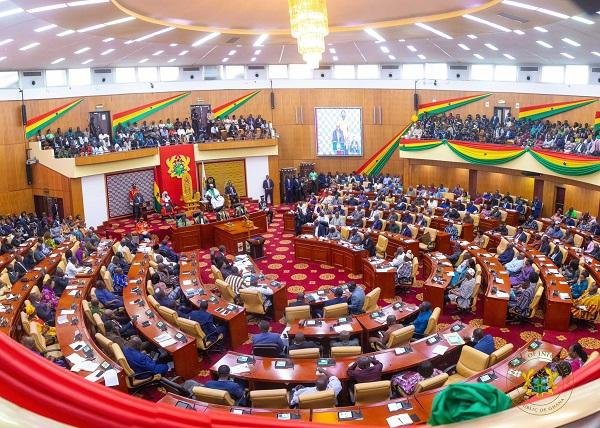
Rather than continuing a cycle of excessive domestic and external borrowing, the IEA proposes that the state must exercise its sovereignty by moving toward a service-contract model where the government owns the resource and simply pays for technical expertise.
The Case for Resource Sovereignty and Economic Stability
The IEA’s advocacy is rooted in the conviction that the “outdated royalty-based arrangements” have failed to deliver the long-term structural economic transformation promised since independence.
By reclaiming the Tarkwa Mine, the state can move beyond being a mere collector of taxes and royalties and instead become a primary stakeholder in the extraction and value-addition processes.
This shift is expected to unlock significantly higher foreign exchange earnings and provide a sustainable solution to the country’s debt-servicing challenges.
The think tank notes that “genuine national ownership and prudent management” would generate far greater financial and national security benefits than the current foreign-dominated system.
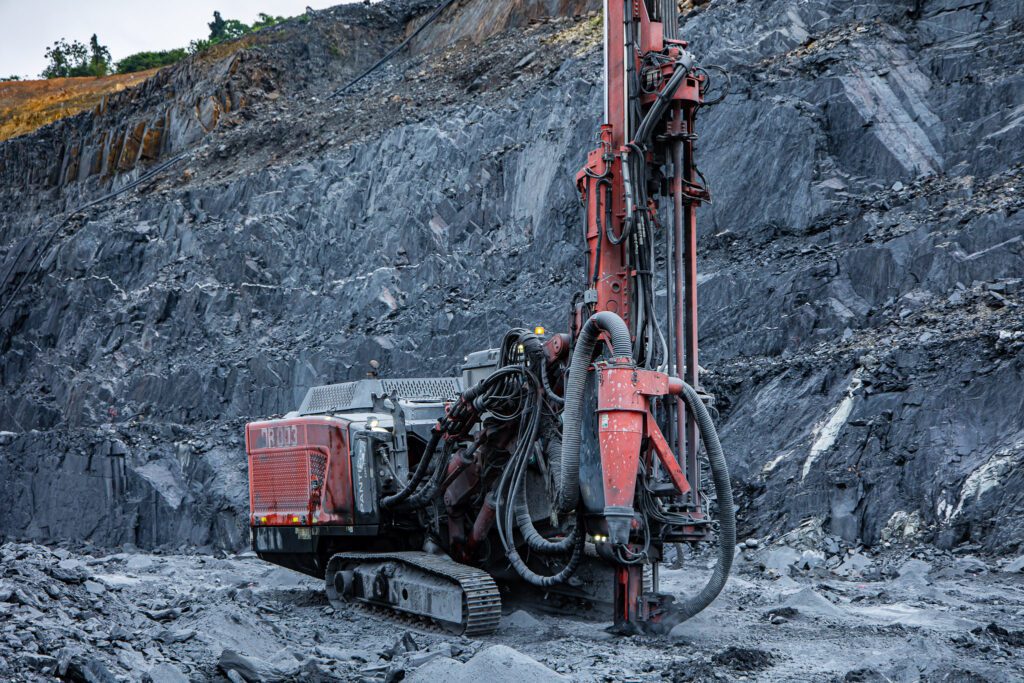
Mobilizing Stakeholders Against Concessionary Dependence
For this transition to succeed, the IEA emphasizes that a broad coalition including traditional authorities, labor groups, and patriotic Ghanaians must stand united against the “concessionary systems” that have historically deepened external dependence.
These stakeholders are being urged to recognize that the expiration of the Gold Fields lease is a strategic window to implement local value addition and export finished products.
According to the IEA, this move will “create expanded opportunities for industrialisation, job creation, and technology transfer,” ensuring that the wealth generated from the land remains within the borders of the country to benefit both present and future generations.
A Call to Action for National Transformation
Parliament and the Ministry of Lands and Natural Resources are under increasing pressure to prioritize the “Pan-African vision” over short-term investment pledges from multinational corporations.

The IEA maintains that the state has the capacity to engage private-sector expertise strictly through “service arrangements that preserve national ownership.”
By refusing to rubber-stamp the lease renewal, the government would be taking a decisive step toward resolving the “chronic inability to mobilise sufficient domestic revenue.”
This bold stance is presented not merely as a policy change, but as a necessary act of “economic sovereignty” to safeguard the nation’s vast natural resource endowment from further exploitation.
READ ALSO: Over 1,700 People Confined On Cruise Ship In Bordeaux