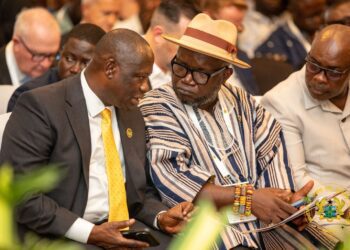
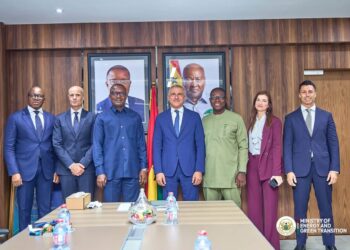
Mrs. Joyce Adishetu Bawah Mogtari, Presidential Adviser and Special Aide to the President, has applauded and thrown her full weight behind the intensifying advocacy for indigenous control over Ghana’s vast mineral wealth.
Referencing on the heels of nearly seven decades of national independence, the veteran legal practitioner and advisor emphasized that the timing is ripe for the country to recalibrate its relationship with the extractive sector.
Her remarks highlight a significant shift in national policy, signaling a move toward reclaiming economic sovereignty by empowering local firms to take the lead in a sector historically dominated by multinational corporations.
“It is heartwarming that some very influential people are wading into this debate and supporting the government to allow for local indigenous businesses to invest in our mineral resources. After almost 70 years, we can at least reasonably afford to test our ability to manage and maintain sovereignty over some of these interests.”
Mrs. Joyce Adishetu Bawah Mogtari, Presidential Adviser and Special Aide to the President
The push for a local mining drive, according to Mrs. Mogtari, is not an indictment of foreign direct investment, but rather a strategic evolution of Ghana’s industrial maturity.
She noted that after seventy years of statehood, the nation has nurtured a class of indigenous entrepreneurs and technical experts who have successfully “built their capacity and capabilities over time.”
This burgeoning pool of local talent is now deemed ready to manage strategic mineral interests, ensuring that a greater share of the wealth generated from the soil is retained within the domestic economy for national development.

The Evolution of Resource Sovereignty
The discourse surrounding the “local mining drive” stems from a long-standing grievance regarding the “enclave nature” of the extractive industry in West Africa.
For decades, Ghana has operated under fiscal regimes that prioritized attracting foreign capital through generous tax holidays and stability agreements.
While these policies brought in necessary technology and capital, they often resulted in limited linkages to the local economy. Mrs. Mogtari’s intervention suggests that the “litmus test” for the current generation is whether Ghanaian-owned entities can match or exceed the operational standards set by foreign predecessors.
By asserting that “nobody says we are banning foreign investments,” the Presidential Aide clarified that the goal is a balanced partnership where the state asserts more “sovereignty over its own mineral resources.”
This involves shifting from being mere collectors of royalties and taxes to becoming active owners and operators.
The transition is seen as a necessary step in reclaiming economic independence, ensuring that the decision-making power regarding the extraction of gold, lithium, and bauxite rests in the hands of those whose primary loyalty is to the Ghanaian collective.
Capacity Building and the Economic Multiplier
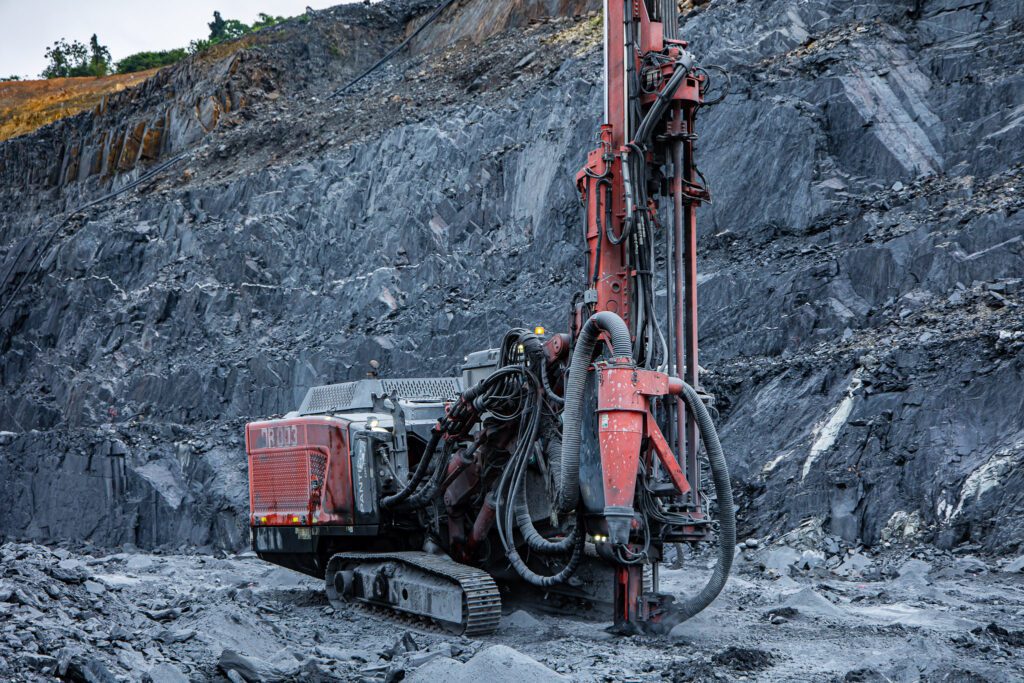
The core of the argument for indigenous management lies in the “multiplier effect” that local ownership provides.
When a local company manages a mine, the profits are more likely to be reinvested in Ghanaian banks, supporting the local currency and providing liquidity for other sectors.
Furthermore, indigenous firms are more inclined to utilize local supply chains from engineering services to catering thereby creating a robust ecosystem of Small and Medium Enterprises (SMEs).
Research into the extractive sector indicates that local participation is the most effective way to address the “resource curse.” By giving locals the opportunity to manage mineral resources, the government is effectively tackling the issue of capital flight.
Mrs. Mogtari pointed out that the “ability to better manage some of these minerals” is now a reality because the domestic private sector has spent years understudying global best practices.
This transition to local management is expected to foster a more sustainable mining culture, as indigenous owners have a deeper stake in the environmental and social well-being of the communities in which they operate.

A Strategic Test of National Capability
Mineral sovereignty is not merely political; it is technical and financial. Reclaiming this sovereignty requires the government to create a level playing field where local businesses can access the high-interest capital required for large-scale mining.
The support from “influential people” mentioned by the Presidential Aide underscores a growing national consensus: the status quo is no longer sufficient for a country entering its seventh decade of freedom.
As Ghana seeks to “assert its sovereignty,” the focus shifts to the regulatory frameworks that govern the licensing of mineral plots.
READ ALSO: Wes Streeting Resigns as Health Secretary in Major Blow to Starmer Leadership