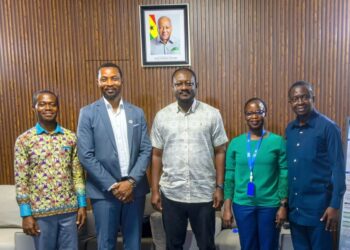
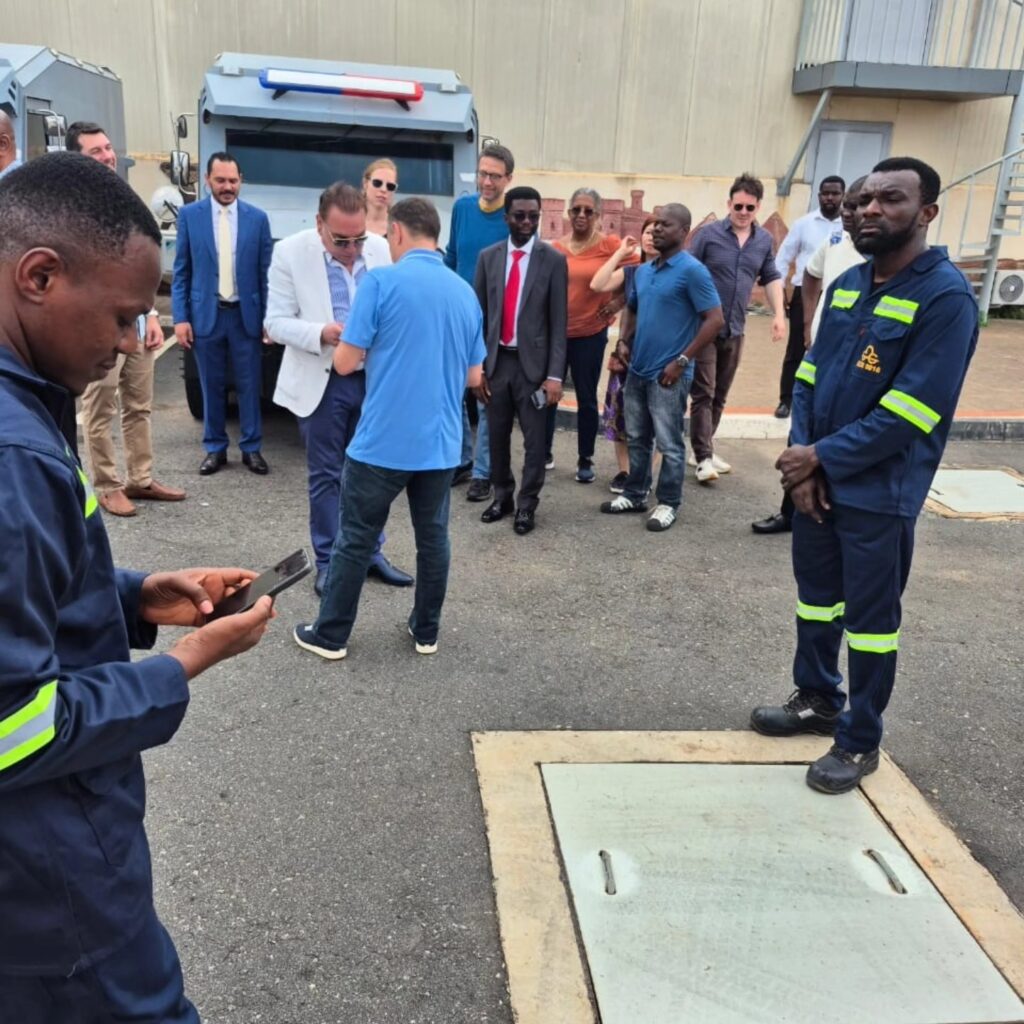
A delegation from the International Monetary Fund (IMF) has conducted a high-level visit to the Gold Coast Refinery Ltd (GCR) to scrutinize the company’s operational frameworks and its pivotal contributions to the national gold value chain.
The engagement serves as a critical component of the Fund’s broader assessment of Ghana’s extractive sector, focusing on how downstream processing assets influence the country’s macroeconomic stability.
By interfacing directly with the refinery’s leadership, the IMF team aimed to align their understanding of industrial output with the broader objectives of the ongoing economic recovery program.
“We were honored to host a delegation from the International Monetary Fund (IMF) at Gold Coast Refinery Ltd to engage management on the company’s operations and activities. The discussion provided the IMF delegation with insight into the refinery’contribution to the Gold value chain and the broader economic landscape.”
Gold Coast Refinery Ltd (GCR)
The visiting officials prioritized the gathering of granular data regarding the refinery’s production capacity, which currently stands as one of the largest in Africa, capable of refining approximately 480 kg of gold per day.
Beyond raw numbers, the dialogue delved into the intricacies of GCR’s supply chain, specifically identifying the diverse sources and origins of gold arriving at the facility.
Amidst global volatility, the team expressed particular interest in how ongoing Middle Eastern tensions have reshaped the refinery’s business outlook and its engagement with international off-takers. These insights are intended to help the Fund evaluate the resilience of Ghana’s mineral exports under current geopolitical pressures.
Operational Transparency and Global Market Integration
Management at Gold Coast Refinery utilized the platform to showcase their significant contributions to value addition, moving the country away from the traditional reliance on the export of raw bullion.
During the briefing, executives outlined the total tonnage of gold processed since the facility’s inception in 2016, emphasizing the refinery’s adherence to international standards.
The IMF delegation was informed that the refinery acts as a “strategic anchor for the mineral value chain,” ensuring that a higher percentage of mineral wealth is retained within the Ghanaian borders through refined products.

By maintaining a sophisticated network of off-takers in diverse export markets, GCR has managed to mitigate some of the “logistical and financial uncertainties” brought about by global conflicts.
Management noted that while the Middle East situation presents challenges, the refinery’s robust operational performance has allowed it to maintain a steady contribution to the country’s foreign exchange reserves.
This integration into the global market not only stabilizes the company’s revenue streams but also reinforces Ghana’s status as a premier gold hub in West Africa.
Catalyzing Economic Transformation through Industrialization
The refinery’s role extends far beyond the mere smelting of ore; it is a catalyst for Ghana’s broader industrialization agenda.
By providing local smelting and assaying services, GCR significantly reduces the “freight, insurance, and security costs” typically associated with shipping raw gold to refineries in Europe or Asia.
This cost-efficiency allows for quicker liquidation of assets, which improves liquidity for both small-scale and large-scale miners, thereby stimulating local economic activity.
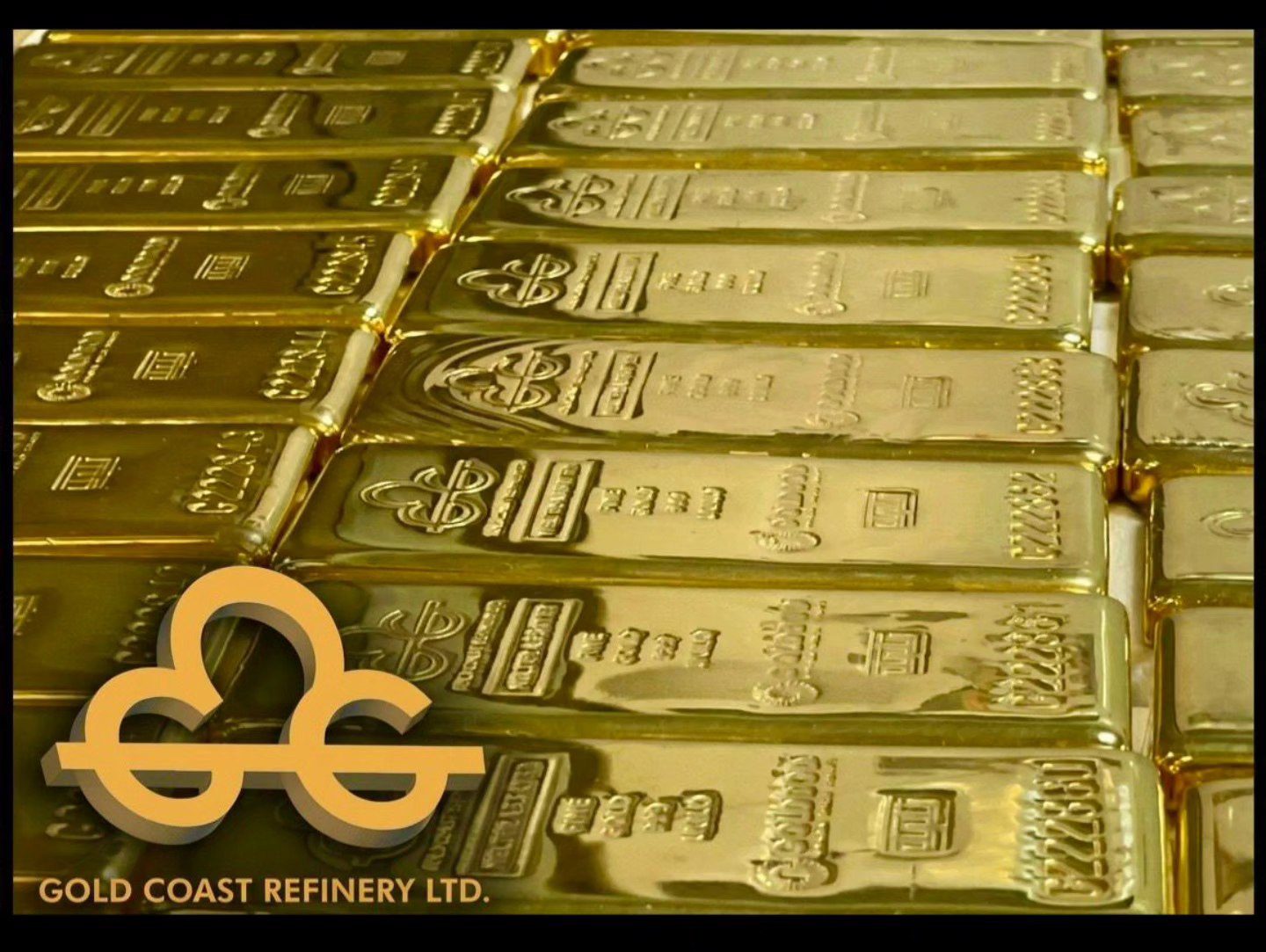
Furthermore, the refinery’s presence supports the government’s macroeconomic management efforts by providing a reliable domestic partner for the Bank of Ghana’s “Gold for Oil” and domestic reserve programs.
The ability to refine gold to 99.99% purity locally means that the state can more effectively back the cedi with physical assets without the delays of international logistics.
This domestic capability is vital for the “long-term sustainability of Ghana’s fiscal policies,” ensuring that the extractive sector provides more than just royalties, but also high-skilled jobs and technological transfer.
Strategic Outlook and Mineral Value Chain Support
while the IMF concludes its review, the strategic importance of facilities like Gold Coast Refinery to the national economy has never been clearer.
The discussions highlighted that for Ghana to achieve its 2026 growth projection of 4.8%, the extractive sector must transition from primary production to advanced manufacturing.
GCR’s commitment to “environmentally sustainable models for skilled craft miners” was also noted as a key factor in formalizing the small-scale sector, which is a major contributor to the national output.
In the face of shifting global trade dynamics, the refinery remains a pillar of the country’s economic landscape.
By fostering a transparent and efficient gold value chain, Gold Coast Refinery is helping to ensure that the nation’s mineral heritage translates into tangible economic development.
The IMF’s engagement marks a recognition of this potential, signaling that value addition is no longer just a policy goal but a functional reality driving Ghana’s recovery.
READ ALSO: Vance Hails Anti-fraud Task Force’s Efforts