
The institutional modernization of West Africa’s marine ecosystems has reached a definitive milestone following the formal closure of one of the sub-region’s most consequential international resource partnerships.
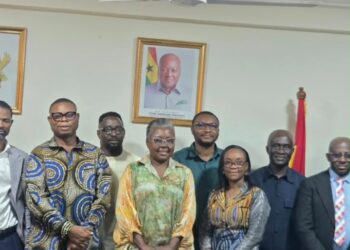
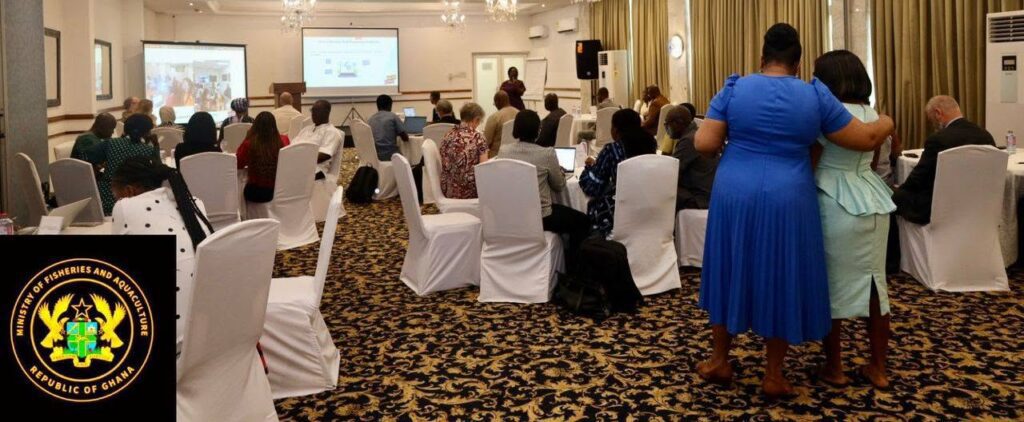
Gathering at the La Palm Royal Beach Hotel in Accra, senior state officials, international diplomats, marine scientists, and primary industry stakeholders convened for a comprehensive closure workshop to review the structural triumphs and long-term sustainability strategies of the seven-year Fish for Development (FFD) Programme.
According to the Ministry of Fisheries and Aquaculture Development (MoFAD) established as a landmark technical and strategic alliance under the direct framework of Ghana-Norway cooperation, the FFD initiative has systematically restructured the regulatory, scientific, and technological baselines of Ghana’s commercial fisheries and aquaculture sectors.
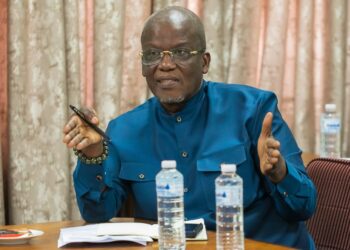
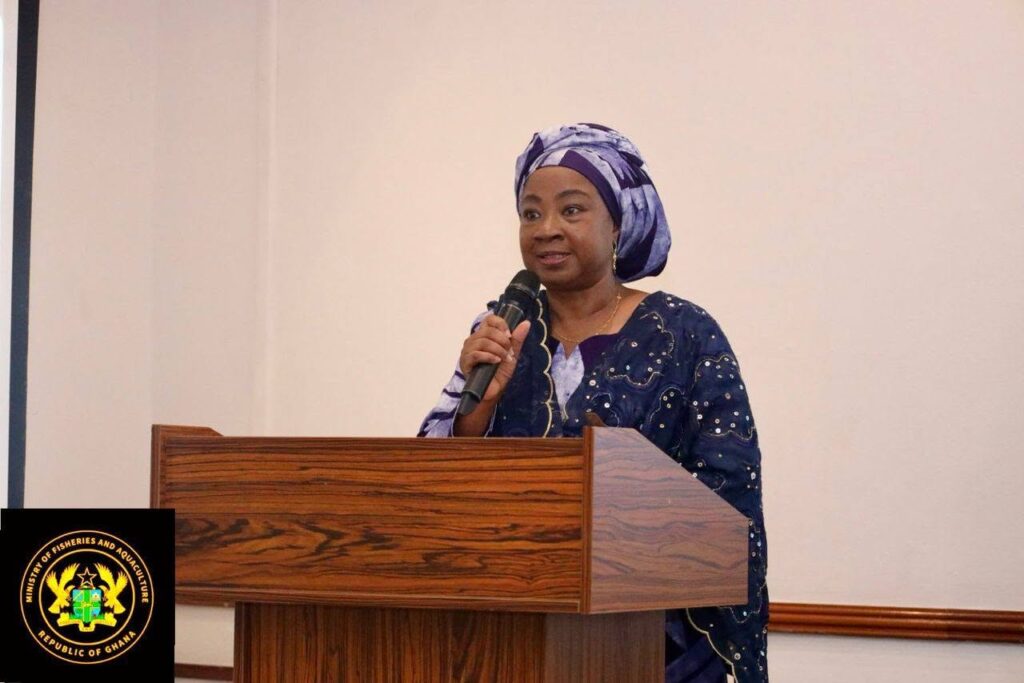
“Delivering remarks on behalf of Hon. Emelia Arthur, Minister for Fisheries and Aquaculture Development, Dr. Afisah Zakariah, Chief Director of the Ministry, described the programme as a milestone in Ghana and Norway partnership”
Ministry of Fisheries and Aquaculture Development
The closing proceedings served not merely as a formal retrospective, but as a critical launching pad for Ghana’s independent execution of its newly updated sovereign marine policies.
Over its seven-year lifespan, the program successfully bypassed the limitations of traditional, short-term development aid by embedding data-driven management models directly into local institutional structures.
Financed and technically supported by Norway through the Norwegian Agency for Development Cooperation (NORAD), alongside a network of key local institutions, the FFD framework has effectively constructed an internal system of evidence-based decision-making.
This systematic capacity upgrade allows state regulators to balance the commercial demands of a growing blue economy with the strict ecological limits required to protect wild marine stocks.
The enduring legacy of the Ghana-Norway partnership lies in its rigorous commitment to upgrading technical capacity across all regulatory levels. For decades, sub-Saharan fisheries management has been severely restricted by fragmented data compilation networks and an institutional lack of specialized diagnostic tools.
The FFD Programme directly confronted these systemic vulnerabilities by providing local authorities with advanced scientific resources and targeted technical training.
Integrating the advanced marine research methodologies utilized by Norwegian scientific bodies into the daily operations of Ghana’s Fisheries Commission, the program successfully elevated the country’s ability to conduct independent, highly accurate fish stock assessments and environmental risk analyses.
This systematic accumulation of technical capability has profoundly shifted how Ghana conceptualizes resource sovereignty, as the Ministry now possesses the infrastructure necessary to utilize real-time biological data to govern its territorial waters.
Dr. Afisah Zakariah emphasized that this baseline of technical excellence represents a permanent structural asset for the state, transforming the civil service from a passive administrative body into a proactive, science-led regulatory agency capable of defending domestic economic interests in international waters.
New Aquaculture Development Plan
As the bilateral funding cycle transitions into independent national management, MoFAD is anchoring its future growth strategy within the newly formalized National Aquaculture Development Plan (2024-2028).
This comprehensive, five-year policy blueprint will significantly accelerate domestic aquaculture production, effectively bridging the structural supply-and-demand gap that currently drains millions of dollars in foreign exchange via seafood imports. The rollout focuses on treating aquaculture as a high-tech, corporate-grade industry rather than a secondary subsistence activity.
Central to this structural reset is the complete digitalization of commercial aquaculture farm registrations across the country, replacing archaic, slow-moving paper registries with a centralized digital platform.
MoFAD noted that the goal is to create a transparent database that maps commercial operations, monitors local environmental carrying capacities, and streamlines the acquisition of statutory environmental permits. Furthermore, this digital architecture is intimately linked with completely overhauled aquatic animal health systems.
These upgraded diagnostic frameworks provide early-warning disease tracking and robust biosecurity guidelines, shielding commercial operators from the devastating localized epidemics that historically crippled fish farming ventures along the Volta Lake.
The successful closure of the seven-year Fish for Development Programme was met with strong praise from both domestic and international dignitaries, who framed the project as a global model for sustainable ocean governance.
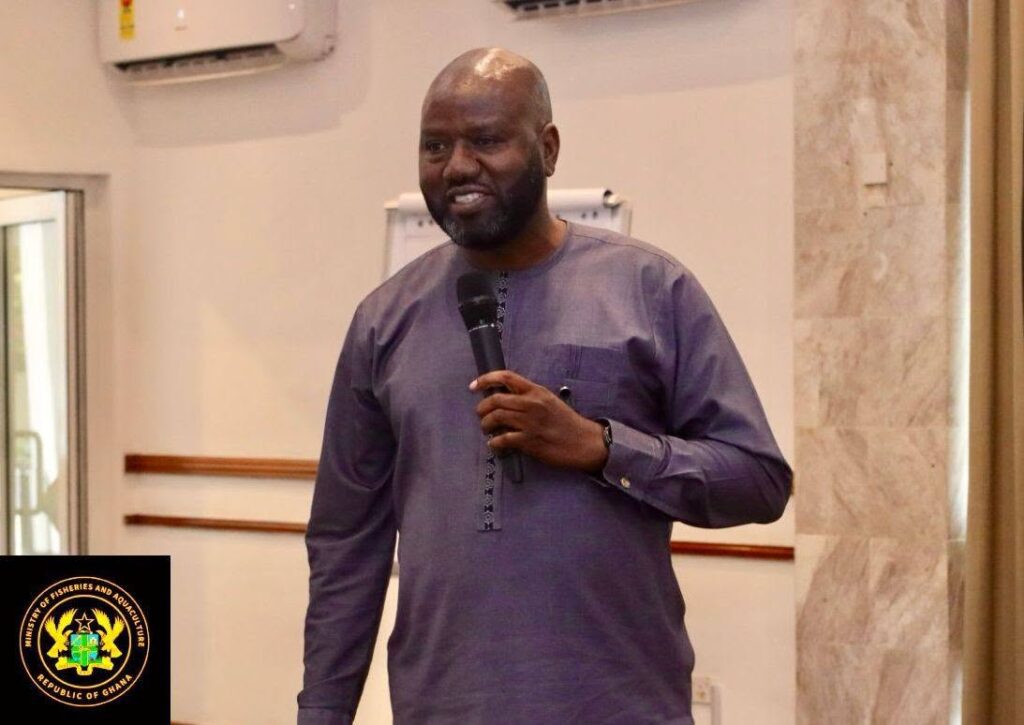
The Executive Director of the Fisheries Commission, Prof. Benjamin Campion, alongside the Ambassador of Norway to Ghana, His Excellency John Mikal Kvistad, noted that the true measure of the program’s success lies not in the volume of funding disbursed, but in the self-sustaining nature of the institutional reforms left behind.
The transition away from active foreign oversight marks the true beginning of Ghana’s independent management of its maritime wealth. As MoFAD assumes full financial and operational responsibility for these updated regulatory systems, the focus turns toward long-term asset preservation.
Stakeholders noted that Ghana is uniquely positioned to achieve full regulatory sovereignty over its blue economy by combining the digitized aquaculture registries of the National Aquaculture Development Plan with the reinforced enforcement capabilities of the MCS units.
The objective remains the creation of a highly resilient, self-sustaining marine sector capable of delivering consistent nutritional security, healthy and growing wild fish stocks, and robust economic prosperity for millions of citizens across Ghana’s historic coastal communities.