The government has re-engaged the contractor working on the 500-bed Military Hospital at Afari in the Ashanti Region as efforts intensify to complete a project that has remained stalled for years.
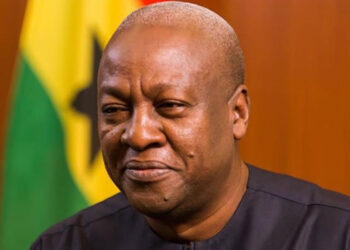
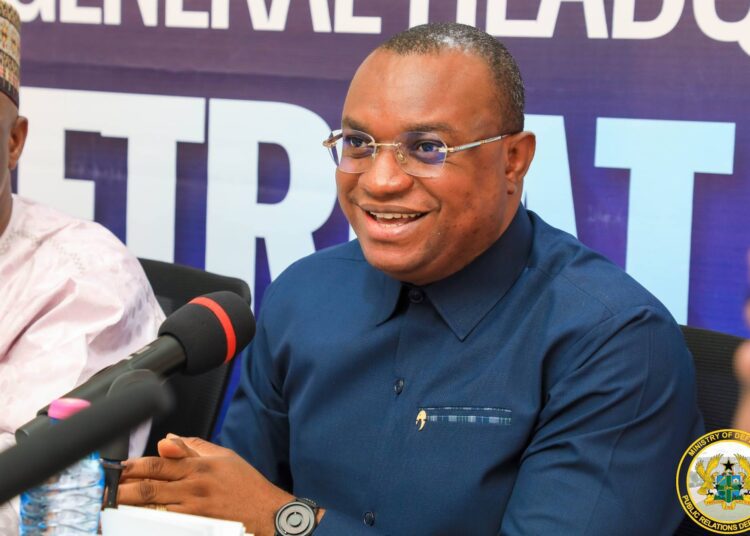
Deputy Minister for Defence, Ernest Brogya Gyenfi, in a detailed update, traced the origins of the project to March 2014 when President John Dramani Mahama cut the sod for its construction.
The facility, valued at 180 million dollars, was scheduled for completion within 42 months, with an expected delivery date of 2018. However, twelve years on, the hospital remains incomplete.
He explained that by January 2017, civil and architectural works had reached about 90 percent completion, leaving mainly biomedical and mechanical installations. At that stage, overall completion was estimated at 57 percent.
Contract disputes and stalled execution
According to the Deputy Minister, the project has suffered from years of mismanagement, administrative bottlenecks and neglect, which have significantly slowed progress.

He noted that when the current government assumed office, the contractor had abandoned the site entirely, with no active work ongoing. The contractor, he said, is now demanding outstanding payments of 7 million dollars under one claim and 78 million dollars under another before returning to site.
This, he explained, is despite earlier claims that all obligations had been settled under the previous administration. The disagreement over payments has further complicated efforts to restart the project, delaying progress on a facility that was intended to strengthen military and regional health infrastructure.
Ernest Brogya Gyenfi also highlighted challenges relating to medical equipment procured for the hospital. He explained that several items imported for installation were left at the port for extended periods, leading to the accumulation of demurrage charges.
Some of the equipment, he added, was eventually auctioned, resulting in what he described as significant waste of public resources.
He further indicated that equipment already delivered to the site has suffered deterioration over time, with some items becoming obsolete, others missing, and several warranties expiring before installation could be completed.
Current state of the hospital
Providing an update on the present condition of the facility, the Deputy Minister stated that the hospital is currently about 60 percent complete overall. Civil and architectural works are approximately 97 percent complete, while biomedical and mechanical installations stand at around 5 percent.
He described the situation as concerning, particularly given the prolonged delay and the impact it has had on the functionality and value of installed infrastructure. Due to reported incidents of theft and vandalism, the Ghana Armed Forces has been deployed to provide security at the project site.
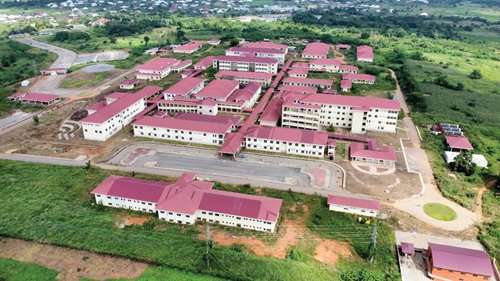
The Deputy Minister stressed that access to the facility is now restricted, and all persons are required to obtain proper authorization before entering the area. He noted that protecting the site is essential to safeguarding remaining infrastructure and preventing further losses as efforts continue to revive the project.
Government Steps Toward Completion
Ernest Brogya Gyenfi disclosed that government has now re-engaged the contractor and is actively reviewing the existing contract to determine a viable path forward.
He added that assessments are ongoing to identify and evaluate medical equipment available within the country that could be deployed to support the completion of the hospital.
According to him, the focus is on ensuring a practical and accelerated strategy to deliver the facility for the Ghana Armed Forces and the people of the Ashanti Region.
He acknowledged the frustrations surrounding the prolonged delay but maintained that the current administration is committed to resolving outstanding challenges and completing the project.
Broader Health Infrastructure Concerns
The Deputy Minister also pointed to wider implications of the stalled Afari Military Hospital project, alongside the 250-bed Sewua Hospital, noting that both projects were initiated under President Mahama’s first term.
The delays in operationalising these facilities have contributed to severe overcrowding at the Komfo Anokye Teaching Hospital, placing pressure on emergency services and affecting healthcare delivery in the region.
The recent public concerns and political tensions in the Ashanti Region following the temporary closure and subsequent reversal of the emergency centre at Komfo Anokye Teaching Hospital have been described as evidence of systemic strain on existing health infrastructure.
While acknowledging the scale of the challenges, the Deputy Minister reaffirmed government’s commitment to salvaging the Afari Military Hospital project.

He maintained that renewed engagement with the contractor, coupled with ongoing assessments of equipment and infrastructure, represents a critical step toward completing the long-delayed facility and improving healthcare delivery in the region.
He concluded by stating that the facts surrounding the project’s delays speak for themselves, adding that efforts are now focused on delivering the hospital for its intended purpose.
READ ALSO: Ghana to Launch World Cup Investment and Trade Forum in Montreal