Israel has continued to attack Lebanon after a new ceasefire with Hezbollah took effect, raising fears that Tel Aviv is trying to wreck the fragile agreement tied to wider efforts to end Middle East hostilities.
Officials and diplomats from the United States and the Gulf separately told news agencies that the two sides agreed that a ceasefire would start at 4pm local time (13:00GMT).
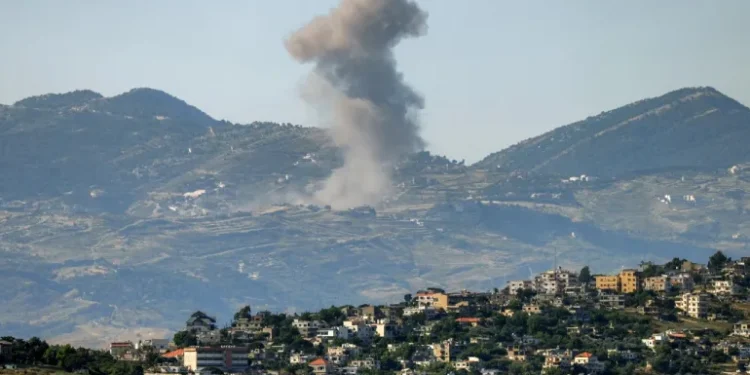
Despite the ceasefire, at least 12 Israeli air raids and continual artillery shelling hit southern Lebanon after the deadline, according to reports from the ground. The ceasefire aimed to stop the escalation in Lebanon from derailing a broader push to turn the interim US-Iran agreement into a lasting regional peace deal.
The deal followed a dangerous surge in fighting that threatened negotiations over ending the war with Iran and reopening the Strait of Hormuz to global shipping.
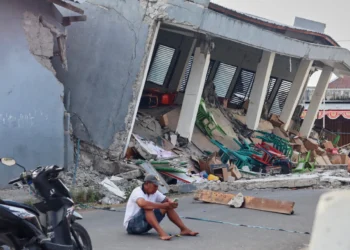
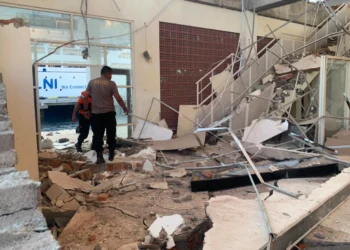
According to the Lebanese health ministry, the Israeli military has killed at least 47 people and wounded 97 others in attacks on Lebanon starting at midnight today. Shortly before the ceasefire began, a senior US official said that the agreement had been reached through US and Qatari mediation, with Iran’s help. “We understand that after the exchange of fire earlier today, Israel and Hezbollah are now in a ceasefire,” the official told a news agency.
However, Israel’s attacks continued almost immediately, leaving residents in southern Lebanon questioning whether the ceasefire had any meaning.
Israeli military Spokesperson Avichay Adraee said that Israeli forces retain “full operational freedom” in Lebanon and will continue to act against what Israel describes as threats from Hezbollah. In a post on X, Adraee accused Hezbollah of violating the ceasefire “in an attempt to prevent our forces from completing the destruction of its capabilities.”
It remains unclear if this refers to the ceasefire, which was due to take place at 4pm local time (1pm GMT), or an earlier ceasefire agreement. Adraee said that the Israeli military had attacked more than 100 Hezbollah targets across Lebanon, including in the Bekaa Valley and Nabatieh, and claimed that “dozens” were killed in the strikes.
He added that the Israeli military will “enjoy full operational freedom to remove threats in every area where the Chief of the General Staff has instructed the provision of all capabilities to the military forces in the field.”
Iran Slams Israeli Minister
Meanwhile, Iranian Foreign Minister Abbas Araghchi hmslammed the far-right Israeli National Security Minister, Itamar Ben-Gvir, who called for Lebanon to “burn” after a night of intense fighting in southern Lebanon killed four soldiers.
Ben-Gvir urged a massive escalation after the Israeli army announced the deaths of four soldiers in combat. “With all due respect to the Americans, Israel must make it clear to the entire world that the blood of our sons and the security of our citizens are not forfeit,” Ben-Gvir wrote on X earlier in the day, adding, “All of Lebanon must burn.”
He added that he told Israeli Prime Minister Benjamin Netanyahu “even in our private meetings” that “for every tear of an Israeli mother, a thousand Lebanese mothers must weep.”
“Enough with the ping-pong. In the Middle East, you don’t win with measured responses and restraint – you need to go berserk. To obliterate. To crush the terror.”
Itamar Ben-Gvir
Araghchi wrote on X that this “is not a rant by a random genocidal lunatic.”
“It’s a public post by the National Security Minister of the Israeli regime. The genocidal death cult headquartered in Tel Aviv is a threat to all of humanity. It threatens all humans. Its only interest is permanent war.”
Abbas Araghchi
Talks between the US and Iran to discuss the recently signed memorandum of understanding (MoU) were called off today after intense fighting between Israel and Hezbollah in southern Lebanon.
According to reports, Iranian officials did not travel as planned to Switzerland, insisting that the fighting in Lebanon must stop before talks can happen. US Vice President JD Vance also postponed his trip.
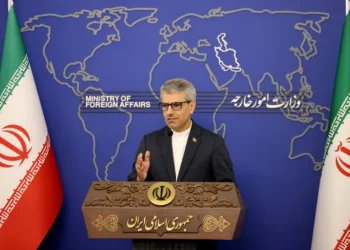
Esmaeil Baghaei, the Spokesperson for Iran’s Ministry of Foreign Affairs, said that the necessary consultations are being carried out through mediators, and that if the conditions for starting negotiations are met, an official announcement will be made.
He also said Washington bears direct responsibility for the current situation between Israel and Lebanon, pointing to Article 1 of the MoU signed on June 18, which explicitly states that ending the war in Lebanon is an integral part of the broader ceasefire arrangement across all fronts.
READ ALSO: Italy Pushes Back After Trump Says Meloni ‘Begged’ For Photo