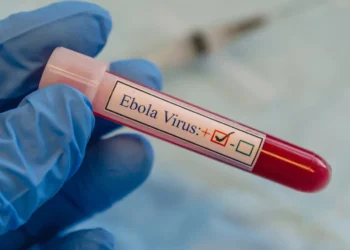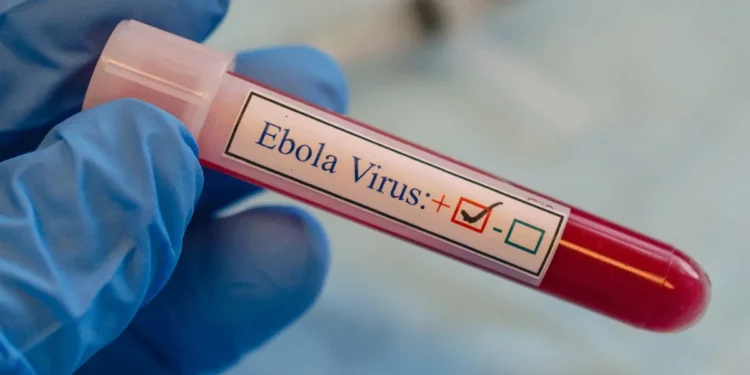
The International Organization for Migration (IOM) has conducted more than one million health screenings at border crossings and along major travel corridors across Ebola-affected and at-risk countries, marking a significant milestone in efforts to contain a deadly outbreak that continues to spread across eastern Democratic Republic of the Congo (DRC) and into neighbouring Uganda.
The accomplishment coincides with an urgency by health officials to stop the virus, which has already killed about 200 people and infected over 850 others, from spreading further throughout the region.
In East and Central Africa, where widespread cross-border travel for work, trade, family reunification, and access to basic amenities creates conditions that might hasten the spread of infectious diseases, the outbreak has sparked concern.
As of 18 June, the World Health Organization (WHO) reported more than 856 infections and 198 deaths linked to the outbreak, which has affected North Kivu, South Kivu and Ituri provinces in eastern DRC and has already resulted in confirmed cross-border transmission into Uganda.
Public health officials warn that neighbouring countries including Burundi, Rwanda and South Sudan remain at elevated risk because of their close economic and social ties with affected communities and the high volume of daily movement across regional migration corridors
According to Frantz Celestin, IOM Regional Director for East, Horn and Southern Africa, “human mobility is central to both the spread and containment of infectious diseases.”
“With more than one million health screenings already conducted, IOM is working alongside governments and partners to strengthen preparedness and response capacities, protect people on the move, and to mitigate cross-border transmission.”
Frantz Celestin
The scale of the operation reflects the unique challenges posed by the region’s highly mobile populations. In Ituri Province alone, IOM’s Displacement Tracking Matrix estimates that more than 16,000 people cross porous borders every day, making surveillance and health screening vital tools in efforts to identify potential cases and limit the spread of infection.
To strengthen containment measures, the organisation has expanded surveillance activities across 110 official Points of Entry and established an additional 43 health screening sites along key travel routes.
Moreover, surge personnel have been deployed to high-risk border areas, while population mobility mapping has been expanded to provide governments and health authorities with critical information on movement patterns.
The data is helping response teams identify high-risk locations, strengthen surveillance systems and improve preparedness in communities most vulnerable to cross-border transmission.
According to IOM officials, efforts extend beyond affected areas in the DRC and Uganda. The organisation is also supporting preparedness activities in several neighbouring countries, including Burundi, Ethiopia, Kenya, Rwanda, South Sudan, Tanzania and Zambia.
These measures include strengthening disease surveillance systems at border crossings, mapping high-risk travel routes and enhancing community engagement programmes aimed at increasing public awareness of Ebola symptoms and prevention measures.
Ebola Outbreak Strains Frontline Workers as Infections Rise
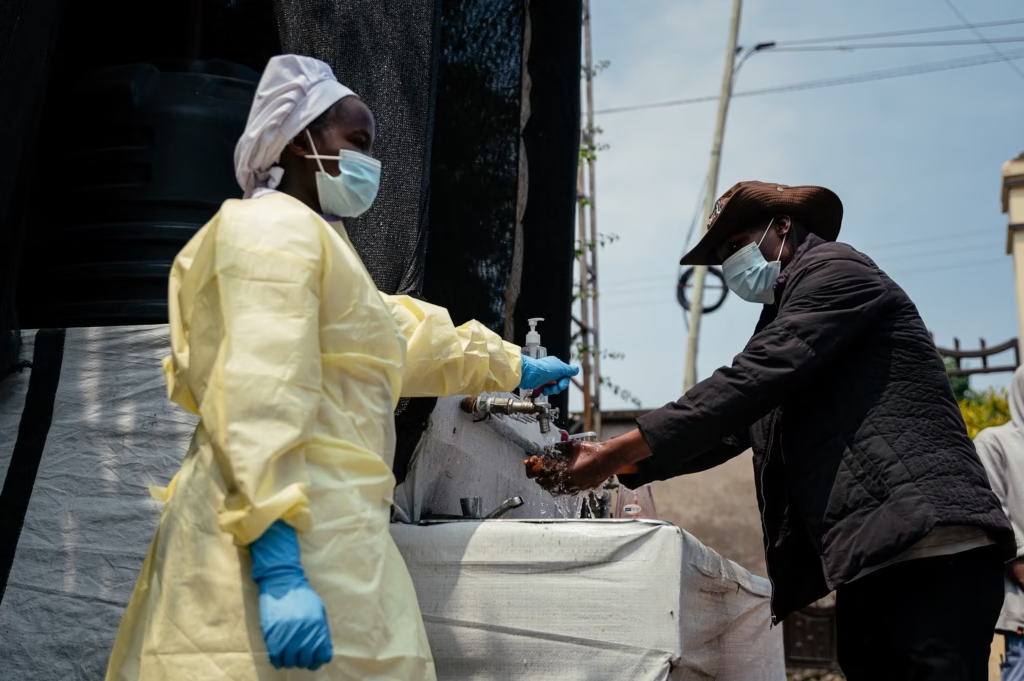
While health agencies continue to scale up surveillance and containment efforts, healthcare workers on the front lines are facing growing risks, with dozens already infected while caring for patients.
A senior World Health Organization official has disclosed that 75 healthcare workers in the Democratic Republic of the Congo have contracted Ebola since the current outbreak began, with 17 losing their lives.
According to WHO officials, many healthcare workers were unknowingly exposed to the virus before the outbreak was formally recognized, increasing the risk of transmission within health facilities.
WHO Emergency Director Marie Roseline Belizaire noted that,“it is a really high price that the system, the healthcare system, is paying, because we don’t have enough of healthcare workers in DRC.”
The country already faces a severe shortage of healthcare professionals. WHO data indicates that the DRC has only about 11 healthcare workers per 10,000 people, one of the lowest ratios globally.
The loss of trained medical staff threatens to further weaken healthcare services at a time when communities require expanded access to treatment, surveillance and public health interventions.
Compounding the challenge are shortages of essential protective equipment.
Health officials report dwindling supplies of basic infection prevention materials, including gloves, masks and other protective gear that healthcare workers rely on to reduce exposure while treating patients.
The scarcity of equipment has heightened fears among medical personnel and contributed to growing psychological stress among frontline responders.
Marie Roseline Belizaire further added that,WHO has been providing psychological support to healthcare workers who have become fearful of treating patients after witnessing colleagues fall ill or die from the virus.
The emotional toll of the outbreak has become a major concern for health authorities, who warn that fear and burnout could undermine response efforts if not adequately addressed.
READ ALSO: Mahama Would Win 2024 Rerun by 63.3% – Poll