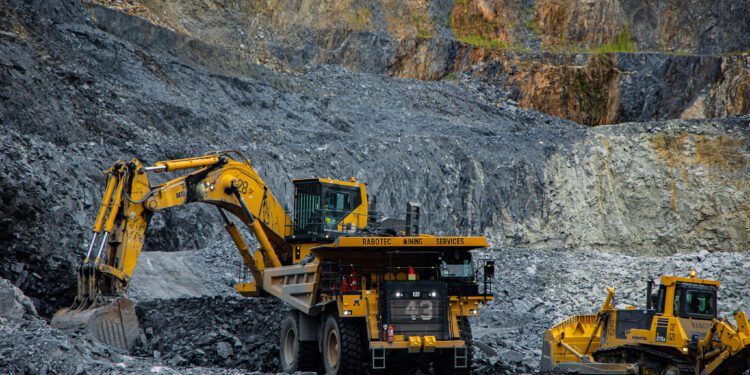
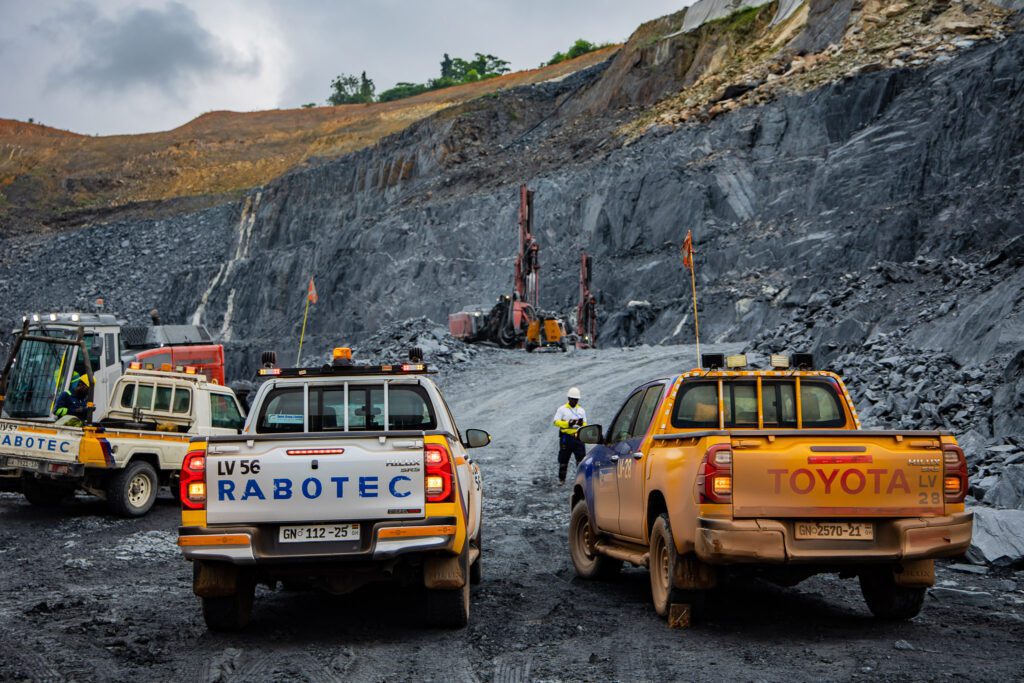
Gold Fields’ Tarkwa Mine lease renewal process has triggered a crucial debate regarding whether Ghana’s mining policy is undergoing a significant shift toward domestic asset control, directly contradicting months of state assurances to the international market.
Senior government officials have consistently sought to calm investor anxieties following the contentious decision not to renew the South African miner’s Damang Mine lease in April 2025, repeatedly pledging an unwavering commitment to regulatory stability, legal certainty, and equitable partnerships with foreign mining companies.
However, recent revelations that authorities are seriously evaluating a proposal to transfer the lucrative Tarkwa concession to local firms after 2027 have sparked massive industry skepticism, casting deep shadows over the predictability of the country’s investment climate.
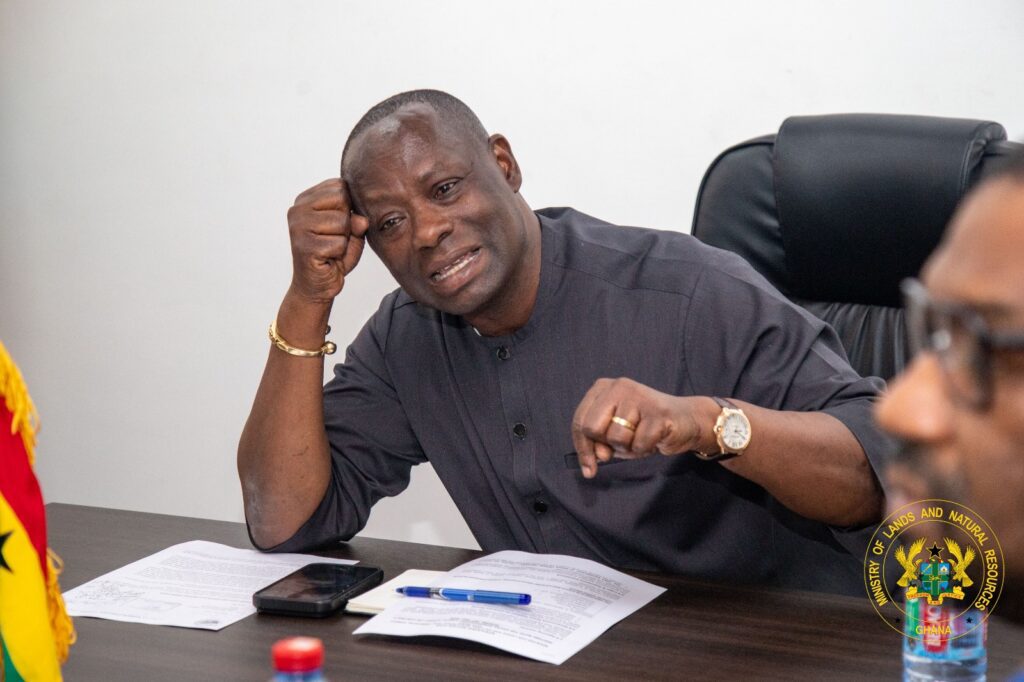
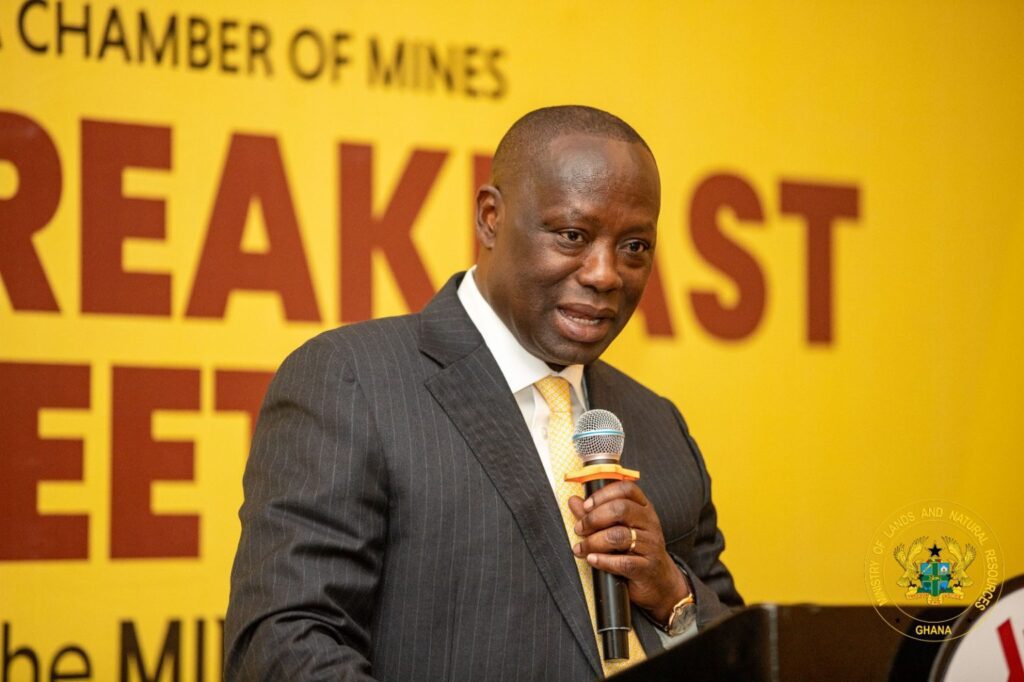
“The government has not adopted a blanket nationalization policy to take advantage of the sector but is seeking partners that would leave behind expertise and empower Ghanaians in the industry. It won’t be business as usual where we just automatically renew the lease. We remain committed to stability, legal certainty, and partnership with foreign mining companies.”
Hon. Emmanuel Armah-Kofi Buah, Minister for Lands and Natural Resources
The state’s handling of the Tarkwa asset amplifies these policy contradictions as preliminary reports indicate that Ghanaian mining companies could soon be formally invited to submit operational bids, even though regulators initially signaled that Gold Fields’ lease extension was secure under a routine, albeit more rigorous, review.
Government sources insist that any potential local transfer will be heavily assessed against strict commitments to sustainable local employment, environmental rehabilitation, host-community infrastructure, and broader economic benefits for the surrounding enclaves.
While state representatives note that they have not completely ruled out renewing Gold Fields’ lease and that bilateral engagements remain ongoing, the dual track of negotiating an extension while simultaneously entertaining domestic takeovers creates a regulatory paradox that industry players struggle to reconcile.
The Strategic Value of Tarkwa and the Policy Paradox
The brewing confrontation over the lease is particularly significant because Tarkwa is no ordinary mine, representing a cornerstone asset for both the state and its foreign operator.
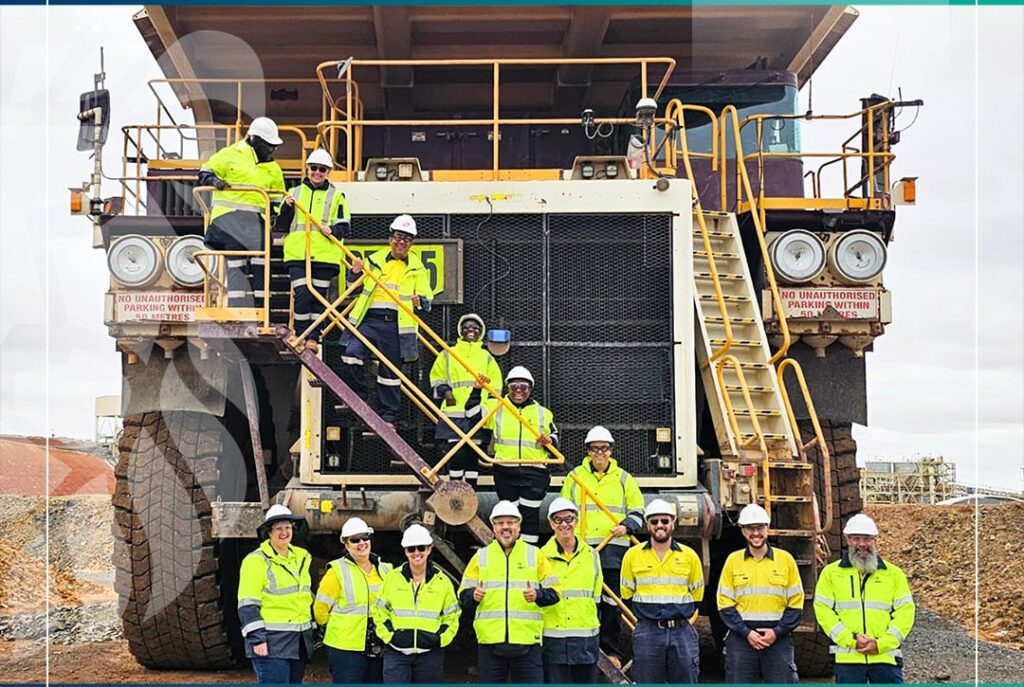
The operation produced approximately 427,000 ounces of gold in 2025 and accounted for roughly one-fifth of Gold Fields’ global output, making it the company’s single most important asset worldwide.
For the country, the asset remains a major contributor to export earnings, direct employment, government revenue, and overall mining sector performance, which heightens the stakes of any structural change.
The apparent contrast between earlier assurances and the latest reports is attracting close scrutiny from investors, policymakers, and industry observers who fear that “security of tenure is not guaranteed” if a premier producer can be displaced after decades of capital investment.
Consequently, the government finds itself trapped in a delicate balancing act; on one hand, officials have repeatedly emphasized stability, predictability, and investor partnership, while on the other, reports of potential local takeover discussions are interpreted by some investors as definitive evidence of “resource nationalism.”
Structural Impact on Capital Flight and Industry Health
Through research into the macroeconomic dynamics of West African mineral markets, it is evident that these varied, contradictory actions could severely destabilize the country’s entire mining ecosystem.
Large-scale mining operations require multi-billion-dollar, long-term capital commitments that rely entirely on predictable regulatory horizons, and the sudden injection of lease uncertainty risks triggering massive capital flight to more stable jurisdictions.
If international financiers perceive that successful operations can be arbitrarily transferred to local firms upon lease expiry, foreign direct investment (FDI) will dry up, choking off the exploratory funding essential for discovering new mineral reserves.
Furthermore, local mining firms, despite their growing competence, often lack the deep balance sheets and specialized technical capabilities required to manage complex, ultra-deep open-pit operations like Tarkwa, which could result in operational inefficiencies, diminished output, and a subsequent drop in state tax revenues.
Community Development and the Future of Sector Governance
Beyond the corporate balance sheets, a forced transition to local ownership carries profound implications for the socio-economic stability of mining enclaves and the governance of natural resources.
The current framework relies heavily on institutionalized corporate social responsibility (CSR) programs funded by multinational operators, meaning any sudden drop in operational profitability under new management could cripple ongoing community infrastructure and environmental reclamation initiatives.
For now, the official state position remains unchanged—that the country is not pursuing a policy of aggressive nationalization and remains firmly committed to a transparent, predictable investment environment for all.
Yet, the latest revelations have introduced enough structural uncertainty to prompt a critical question for the future of the economy: is the state genuinely evaluating all legal options to maximize domestic wealth before reaching a final decision, or are structural shifts quietly paving the way for a volatile era of resource nationalism?
READ ALSO: Millions Struggle as Afghanistan’s Humanitarian Crisis Escalates