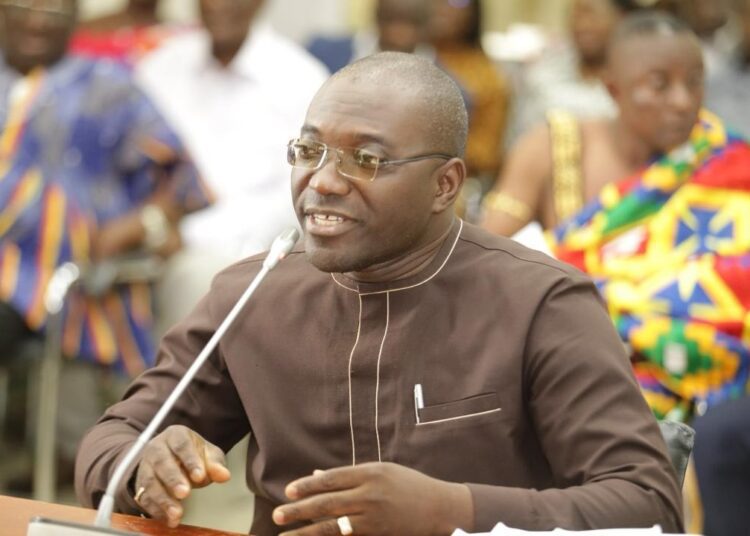
The Ranking Member of Ministry of Works and Housing And The Member of Parliament for Techiman South, Honourable Martin Kwaku Adjei Mensah Korsah has indicated that Parliament is preparing a nationwide engagement process aimed at tackling unsafe buildings and strengthening enforcement of planning regulations. The Ranking Member stressed that weak compliance and poor monitoring have contributed significantly to recurring structural risks across communities.
Honourable Korsah explained that the parliamentary committee intends to organise public forums to receive petitions on buildings considered hazardous to public safety. He added that these engagements will also interrogate the role of officials responsible for enforcement failures.
Additionally, he stated that many developments proceed without proper adherence to approved permits and safety standards. The Ranking Member noted that enforcement gaps at the local authority level have allowed unregulated construction to persist.

He remarked that accountability within assemblies is key to addressing the challenge. He stated that officers who issue permits must ensure continuous monitoring of construction activities.
“People who must be working to enforce our laws are failing this country. They are endangering the lives of our people and it is continuing by the day.”
Honourable Martin Kwaku Adjei Mensah Korsah
Moreover, he explained that Parliament has already begun receiving petitions identifying structures deemed unsafe. He indicated that some of these buildings are expected to be targeted for demolition in the coming weeks as part of corrective action.
The Ranking Member added that enforcement must move beyond discussions into practical implementation. He noted that sustained public participation will strengthen oversight and improve safety outcomes across affected communities.
Demolition Resistance And Construction Standards Trigger Enforcement Review
The Ranking Member of Ministry of Works and Housing, Honourable Martin Kwaku Adjei Mensah Korsah emphasised that enforcement actions on unsafe structures must balance firmness with human consideration. The Ranking Member stated that occupants of earmarked buildings were given notice periods before evacuation processes began.
He explained that while initial compliance periods are necessary, authorities must proceed with enforcement once deadlines expire. He added that protecting lives remains the overriding objective of demolition exercises.
Honourable Korsah further noted that institutions such as the National Disaster Management Organisation continue to face operational challenges in executing demolition directives. He stated that legal and social resistance has slowed the removal of some structures identified as hazardous.
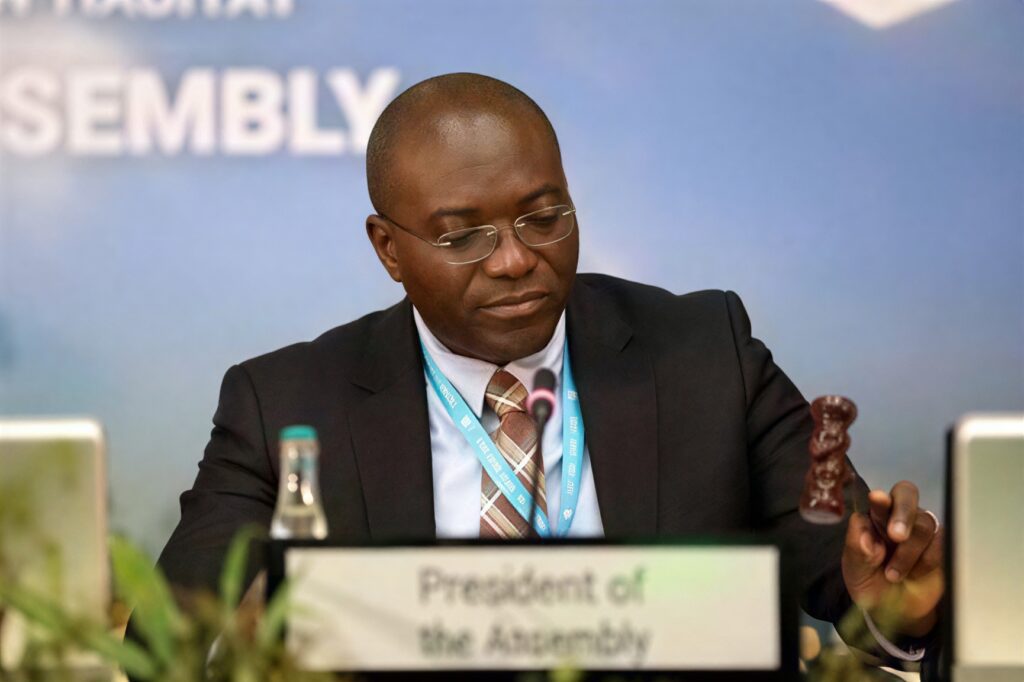
“Once that is abused, once that is not complied with after the expiration, force must be applied. We have a responsibility to protect the lives of those recalcitrant citizens who refuse to give way.”
Honourable Martin Kwaku Adjei Mensah Korsah
Moreover, he highlighted concerns over the quality of construction materials entering the market. He explained that substandard cement and iron rods, combined with poor supervision, contribute to unsafe building outcomes.
The Ranking Member observed that unqualified individuals often oversee construction projects without technical knowledge of structural requirements. He added that incorrect mixing ratios and weak materials lead to buildings that cannot withstand environmental pressure.
He stressed that district and municipal authorities carry responsibility for monitoring compliance at every stage of construction. He indicated that lapses in supervision have allowed unsafe structures to emerge across urban areas.
Honourable Korsah noted that enforcement institutions must be held accountable where regulations are not applied effectively. He stated that safeguarding lives must remain central to all planning and development decisions.
He also referenced the recent incident at the Industrial Area as reminder of the consequences of weak enforcement systems. He added that state intervention becomes essential when public safety is at risk.
The Ranking Member later reinforced that demolition exercises should proceed where legal procedures have been satisfied. He indicated that national safety considerations outweigh procedural delays when structural risks are identified.
READ ALSO: CAS Ruling Strengthens Pregnancy Protections in Women’s Football, Lazio to Compensate Gothberg