In the recent developments surrounding the security recruitment exercise that recorded about 1,300 applicants testing positive for HIV, the Ghana AIDS Commission has outlined measures to support the communication of results and protect the dignity of those affected. The Commission said it has already initiated discussions with the Interior Ministry to ensure that established protocols guide every stage of the follow up process.
The Ghana AIDS Commission says the ongoing engagement seeks to promote counselling, confidentiality and collaboration with key health institutions as authorities determine the next steps. The Commission added that the process is also intended to reassure applicants and strengthen public confidence in the handling of the matter.
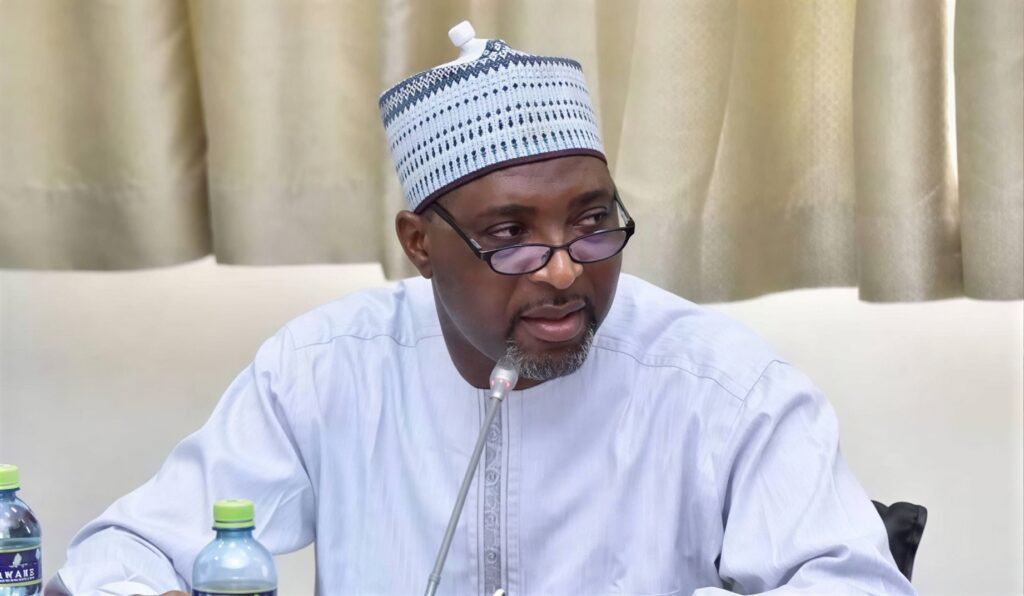
Speaking on the issue, the Acting Director of the Ghana AIDS Commission, Mr John Eliasu Mahama, disclosed that the Commission has begun engaging the leadership of the Interior Ministry immediately after the issue gained national attention. He explained that the discussions involve the Ghana Health Service and the National AIDS Control Programme to ensure that every affected person receives the appropriate support.

According to Mr Mahama, the Commission considers counselling an essential part of the process because receiving an HIV diagnosis requires careful preparation and professional guidance. He indicated that the collaboration among the various institutions would help applicants understand their status while reducing anxiety surrounding the recruitment exercise.
“We have begun some engagement at the leadership level so that we ensure that all the protocols are followed. We are working closely with the Ghana Health Service and the National AIDS Control Programme so that we can also assuage the fears that are out there.”
Mr John Eliasu Mahama
Building on these efforts, the Acting Director noted that the Commission has extended its engagement beyond government institutions to include organisations representing persons living with HIV. He explained that these groups have shared valuable perspectives that will contribute to a more sensitive and coordinated response.
Protecting The Lives Of The Affected Recruits
From his perspective, cooperation among the Interior Ministry, health authorities and civil society organisations is needed to achieving a process that respects both public health standards and individual rights. The Ghana AIDS Commission therefore continues to provide technical guidance to ensure that communication with affected applicants follows accepted medical and ethical procedures.
Additionally, Mr Mahama stated that the Commission’s role extends beyond offering advice because it also seeks to strengthen confidence in Ghana’s HIV response through professional counselling and public education. He emphasised that protecting confidentiality remains central to encouraging more people to access testing and treatment services.
The Commission believes the current engagement presents an opportunity to reinforce best practices in HIV case management across public institutions. The Acting Director added that sustained collaboration would help address public anxiety while ensuring applicants receive information in a respectful and supportive manner.
The Commission also acknowledged the Interior Ministry’s indication that follow up measures and counselling arrangements would form part of the process after the recruitment exercise. Mr Mahama affirmed that the Ghana AIDS Commission stands ready to provide the expertise required to ensure the exercise is carried out with professionalism and compassion.
Sensitive HIV Communication Essential To Protect Lives And Dignity
The Ghana AIDS Commission cautioned that public communication surrounding HIV cases must be handled with great care to prevent stigma and safeguard the rights of affected persons. The Acting Director of the Commission, Mr John Eliasu Mahama, explained that the manner in which information is shared can influence how individuals respond to an HIV diagnosis and how society perceives people living with the condition.
Addressing the wider implications of the recruitment exercise, Mr Mahama noted that Ghana continues to face significant HIV related stigma despite years of public education. He cited findings from the 2022 Ghana Demographic and Health Survey, which indicate that more than 70 per cent of Ghanaians still hold non accepting attitudes towards persons living with HIV.
Speaking further on the issue, the Acting Director emphasised that disclosure of HIV status requires careful counselling because the condition carries lifelong implications for those affected. He explained that every individual deserves to receive such information privately through appropriate medical procedures that prepare them emotionally and psychologically.

“Knowing your HIV status is not a simple decision. It is a condition that, if confirmed, you are going to live with for now because we do not have a cure or vaccine, even though there are medications that keep people healthy.”
Mr John Eliasu Mahama
According to Mr Mahama, releasing incomplete information into the public domain could cause unnecessary anxiety among applicants who were asked to undertake further medical follow up. He explained that some individuals might wrongly assume they are living with HIV before receiving confirmation through the approved testing process.
The Legal Framework Guiding HIV Applicants And Job Search
The Acting Director added that families, friends and members of the public could also form inaccurate conclusions about applicants whose recruitment did not proceed. From his perspective, such assumptions have the potential to deepen stigma and undermine years of advocacy promoting acceptance and inclusion.
Furthermore, Mr Mahama pointed out that Ghana’s legal framework provides protection against discrimination on the basis of HIV status. He stressed that HIV alone should never become the sole factor for denying individuals opportunities without adherence to established legal and medical procedures.
Beyond the issue of stigma, the Commission also addressed public discussions surrounding the availability of antiretroviral medicines and HIV test kits across the country. Mr Mahama explained that although national stock levels have fallen below the preferred six month threshold, coordinated measures are already underway to strengthen supplies.
“There are already measures being put in place to forestall any issue of stockout. The indications we have are that within the next month we should be receiving additional commodities.”
Mr John Eliasu Mahama

In addition, the Acting Director disclosed that the National AIDS Control Programme had already submitted a request to the Ministry of Health for emergency procurement of additional commodities. He noted that health authorities continue to monitor regional stock levels to ensure facilities remain equipped to provide uninterrupted treatment and testing services.
The Ghana AIDS Commission also accentuated the importance of maintaining adequate supplies as Ghana encourages more people to know their HIV status through regular testing. The Commission explained that uninterrupted access to medicines and test kits remains vital to sustaining progress made in the country’s HIV response over the years.
Subsequently, Mr Mahama affirmed that the Commission will continue working with the Ministry of Health, the Ghana Health Service and the National AIDS Control Programme to strengthen HIV services across the country. He added that protecting confidentiality, promoting accurate information and ensuring continuous access to treatment remain central to Ghana’s commitment to improving the lives of persons living with HIV.
READ ALSO: Ghana, Korea Sign $28m Deal to Boost STEM Education