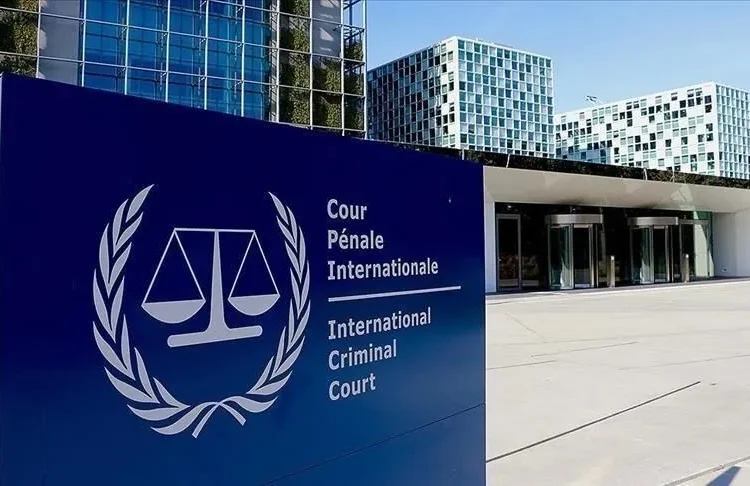
The International Criminal Court (ICC) has announced that it has obtained “concrete evidence” linking senior leaders of Sudan’s paramilitary Rapid Support Forces (RSF) to alleged war crimes and crimes against humanity committed during the devastating conflict in Darfur, marking a major breakthrough in one of the world’s most closely watched atrocity investigations.
Nazhat Shameem Khan, the ICC’s Deputy Prosecutor, disclosed that investigators have gathered sufficient linkage evidence connecting crimes committed on the ground to individuals occupying leadership positions within the RSF. The announcement comes amid growing international concern over atrocities committed during Sudan’s civil war, which erupted in April 2023 and has triggered one of the world’s largest humanitarian crises.
Speaking after returning from eastern Chad, where thousands of Sudanese refugees have sought safety after fleeing violence in Darfur, Khan revealed that survivors continue to provide compelling testimony detailing widespread killings, displacement and attacks against civilians.
“We have now found concrete evidence that links what is happening on the ground through linkage evidence to specific persons in leadership mode.We cannot say how quickly or how long it’s going to take. But we can say that progress has been significant and that we have achieved a breakthrough.”
Nazhat Shameem Khan
The latest announcement follows months of investigations into some of the bloodiest episodes of Sudan’s ongoing conflict, particularly in the Darfur region, where fierce fighting between the RSF and the Sudanese Armed Forces has devastated communities and displaced millions.
Among the most serious incidents under investigation is the siege and eventual capture of el-Fasher, the capital of North Darfur.
According to the United Nations, more than 6,000 people were killed after RSF forces seized the city in October last year. The paramilitary group also faces allegations of carrying out similar massacres in el-Geneina, another major city in Darfur.
The United Nations has previously warned that the violence witnessed in el-Fasher bears the “hallmarks of genocide,” with reports indicating widespread attacks on civilians, destruction of homes and mass displacement.
The RSF has continuously denied targeting civilians based on their ethnicity or committing systematic killings. The group has admitted that there may have been individual violations during the conflict, but it denies claims that its activities followed a pattern of Arab militias attacking non-Arab villages throughout Darfur.
RSF commander General Mohamed Hamdan Dagalo declared that the movement had started its own investigation into suspected abuses by its fighters after el-Fasher was apprehended. Since then, the group has stated that the internal investigations are still ongoing.
However, the most recent data indicates that accountability initiatives are moving into a new stage for ICC investigators.
According to Khan, the court’s conclusions are supported by a variety of corroborating data gathered over several months of research, including survivor testimony, witness interviews, photographic and video evidence, and forensic material.
Many of the testimonies obtained from refugees who escaped into nearby Chad, according to the deputy prosecutor, portray a troubling picture of frequent attacks against civilians, confirming worries expressed earlier by UN investigators and humanitarian agencies.
Darfur Investigation Builds on Two Decades of ICC Pursuit of Justice
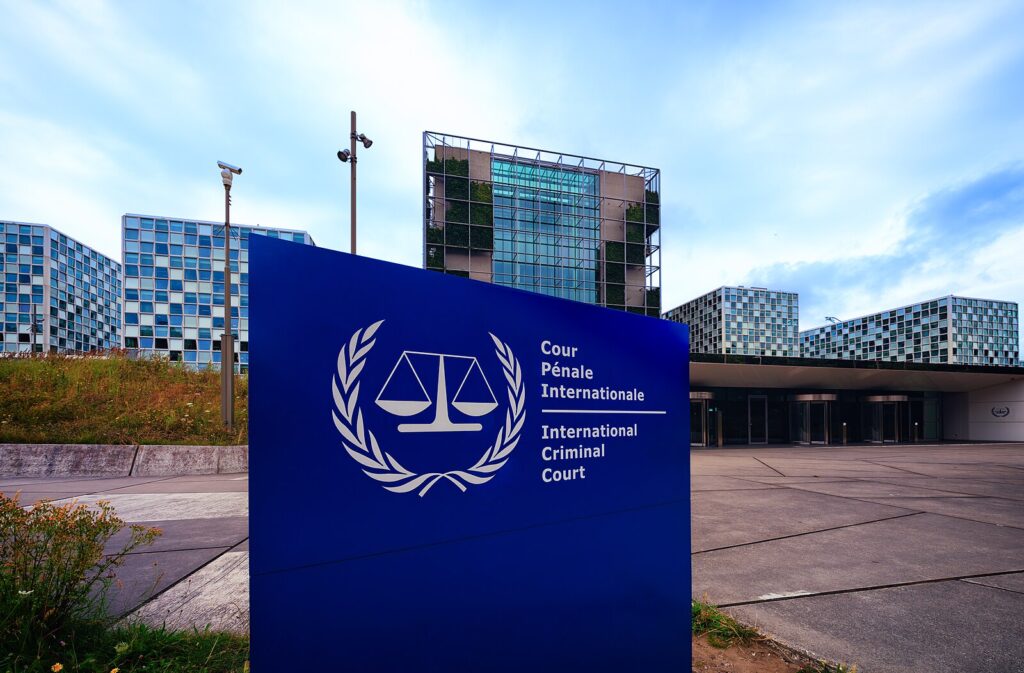
The long-term nature of accountability efforts in Darfur, where investigations have been ongoing for more than 20 years, is also highlighted by the ICC’s most recent conclusions.
Following massive crimes perpetrated during the conflict that broke out in the early 2000s, the United Nations Security Council reported the situation in Darfur to the International Criminal Court (ICC), which is how the court first got engaged.
Khan claims that investigators are still seeing glaring parallels between crimes from Sudan’s present conflict and those from the previous conflict.
“What we see is patterns of offending that in fact were the same patterns of offending 20 years ago when this situation was first referred to us by the Security Council.”
Nazhat Shameem Khan
Therefore, the current investigation expands to address new charges stemming from the violence that started in April 2023 while building upon years of legal effort documenting crimes perpetrated in Darfur.
Allegations of war crimes and crimes against humanity in Darfur have led to seven arrests and the opening of six distinct cases by ICC prosecutors during the last 20 years.
Omar al-Bashir, the former president of Sudan, is still one of the most well-known suspects. He is accused of war crimes, crimes against humanity, and genocide by the International Criminal Court. Despite being overthrown during the 2019 uprising in Sudan, Bashir has never been sent to The Hague and is said to be detained in a safe hospital within Sudan.
There are still a number of individuals who are wanted for arrest but have not yet been taken into custody.
Despite this, the court has made significant convictions. Ali Muhammad Ali Abd-Al-Rahman, a former Janjaweed leader, was found guilty on 27 charges of war crimes and crimes against humanity in Darfur between 2003 and 2004. He was sentenced to 20 years in jail last year.
During the previous Darfur conflict, Abd-Al-Rahman was a senior member of the Janjaweed militia, a government-backed group that was widely accused of assaulting non-Arab villages.
Later, the Janjaweed transformed into the Rapid Support Forces, which at first worked with Sudan’s armed forces before ties broke out into open conflict in April 2023.
Since then, the conflict has turned into one of Africa’s worst humanitarian crises, uprooting millions of people from their homes and depriving many areas of Sudan of basic medical care, food, and aid.
READ ALSO: Joy Sunday Earns Emmy Nod for Breakout Role in DTF St. Louis