Perenti, the ASX-listed global mining services contractor, operating through its subsidiary African Mining Services (AMS) and the AMAX joint venture (JV), has finalized a transition agreement with AngloGold Ashanti at the Iduapriem gold mine in Ghana.
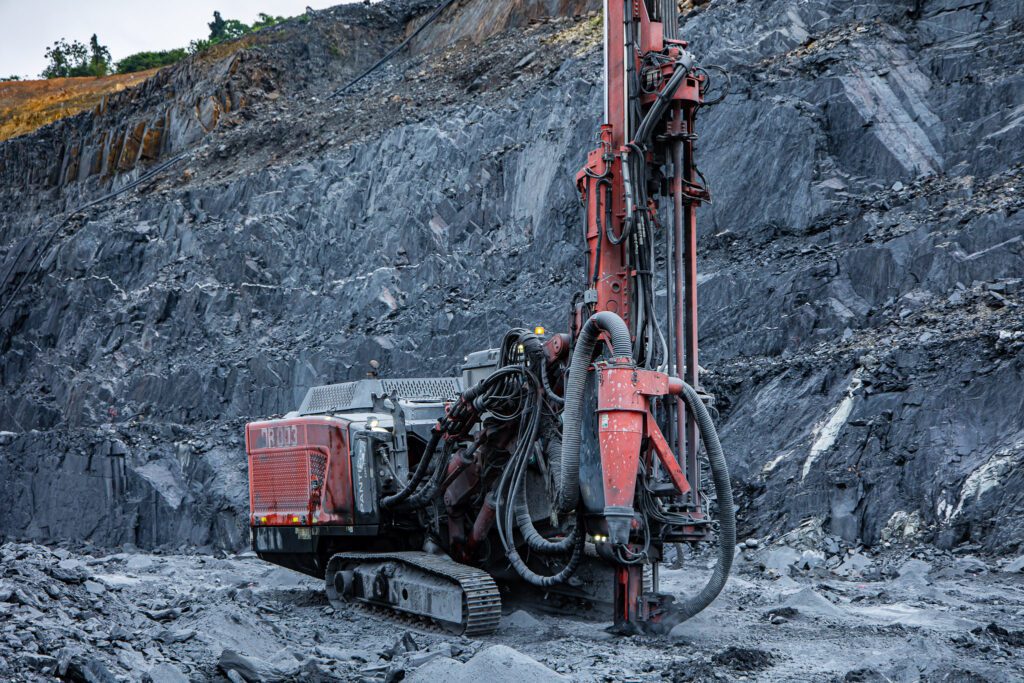
The arrangement establishes an orderly handover plan for open-pit mining operations at the site, featuring the direct sale of AMS’s on-site equipment fleet to AngloGold Ashanti upon contract conclusion.
The contract framework entails a total service value of approximately A$95 million over a bridging term of six months. During this interim phase, the AMAX joint venture a partnership formed between AMS and local entity MaxMass will maintain surface mining and associated support operations at the Western Region mine.
At the end of the six-month term, the majority of the AMS-owned machinery on-site will be transferred to AngloGold under an agreed contract valuation, delivering estimated sale proceeds of A$30 million to A$40 million for Perenti.
“I’m pleased we have reached an agreement for the transition at Iduapriem, reflecting AMS’s long-standing record of strong operational delivery and enduring partnerships across Africa. Additionally, the agreed sale of equipment at the end of the contract provides certainty and the opportunity to recycle capital within Perenti. The expected proceeds will be allocated towards several value-accretive opportunities currently under consideration,”
Perenti MD and CEO Vanessa Torres.
Financial Restructuring and Asset Allocation Dynamics
The structural unwind of the Iduapriem contract provides Perenti with an opportunity to monetize heavy machinery assets while preserving operational standards during the bridging phase.
By converting its capital equipment footprint into cash proceeds, the Perth-headquartered mining contractor enhances its balance sheet flexibility to fund value-accretive expansion projects across its global portfolio.
Meanwhile, AngloGold Ashanti’s fleet acquisition marks a transition toward direct asset ownership at Iduapriem, integrating heavy earthmoving machinery into its capital base to secure long-term operational autonomy.
Highlighting the strategic context of the transition, Perenti contract mining president Gabrielle Iwanow characterized the deal as “another important step for the evolution of our contract mining portfolio.”
She emphasized that the AMS workforce remains “justifiably proud of the performance delivered at Iduapriem over the last eight years” and affirmed that contract mining remains “exceptionally well positioned for the future” as new growth avenues emerge in international mining markets.
Strategic Implications for Ghana’s Mining Industry and Localization
This transaction highlights an evolving commercial trend where major gold producers purchase established contractor fleets to streamline operational transitions.
By acquiring the existing machinery directly at the mine site near Tarkwa, AngloGold Ashanti eliminates potential mobilization delays and equipment replacement costs, ensuring uninterrupted gold extraction.
This retention of specialized mining machinery within Ghana preserves heavy industrial infrastructure inside the country’s mineral ecosystem.
Furthermore, the long-standing involvement of MaxMass within the AMAX joint venture underscores the impact of Ghana’s local content policies in the mining value chain.
Having built operational expertise alongside AMS since 2018, indigenous sub-contractors and joint-venture partners are increasingly capable of absorbing larger operational roles as foreign service providers reallocate capital globally.
This structural shift advances technical knowledge transfer, strengthens domestic supply chain capability, and aligns with national legislative mandates aimed at maximizing local value retention within the extractive industries.
Revenue Stability and Macroeconomic Continuity
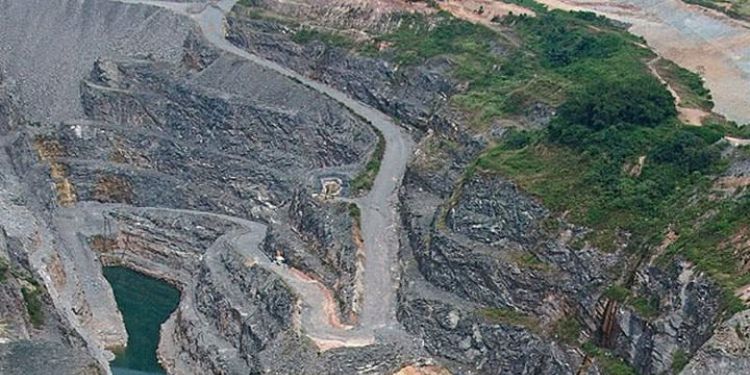
From a macroeconomic perspective, an orderly transition at the Iduapriem mine safeguards continuous gold production in one of Ghana’s most valuable mining corridors.
Given that gold serves as Ghana’s top foreign exchange earner and a primary source of government revenue through mineral royalties and corporate taxes, maintaining operational stability during contract handovers is essential for broader fiscal health.
The structured six-month bridging period guarantees uninterrupted revenue generation, protects local employment for Ghanaian mine workers, and reinforces investor confidence in the regulatory stability of the country’s mining framework.
READ ALSO: Will BoG Hold or Cut? Markets Await July MPC Decision