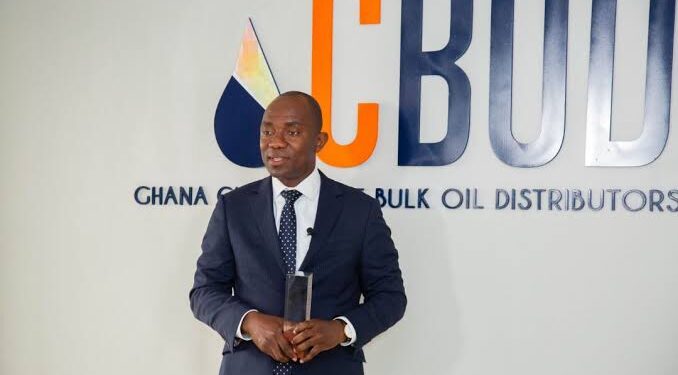
Ghana must move beyond simply participating in West Africa’s downstream petroleum market and instead establish itself as the region’s leading petroleum and logistics hub if it is to remain competitive in an increasingly volatile global energy landscape, the Chief Executive Officer of the Chamber of Bulk Oil Distributors (CBOD), Dr. Patrick Kwaku Ofori, has said.
Addressing industry stakeholders at the 7th Ghana International Petroleum Conference (GHiPCON 2026) in Accra, Dr. Ofori argued that Ghana possesses the strategic advantages necessary to become the preferred destination for petroleum trading, storage, distribution and logistics within the sub-region, provided government and the private sector sustain reforms that improve policy certainty, infrastructure and investment.
His remarks come at a time when Ghana is intensifying efforts to strengthen its downstream petroleum industry through expanded domestic refining, improved fuel infrastructure, greater private sector participation and regional energy integration.
Recent government initiatives, including renewed support for Tema Oil Refinery, plans for the Petroleum Hub project and investments in strategic energy infrastructure, reflect a broader ambition to transform Ghana into a major energy and logistics gateway for West Africa.
Against this backdrop, Dr. Ofori said the country’s long-term objective should be far more ambitious than simply responding to changes in global energy markets.
Our goal should not simply be to keep pace with change. Our goal should be to position Ghana as the downstream petroleum and logistics hub for West Africa.
Dr. Patrick Kwaku Ofori, Chief Executive Officer, Chamber of Bulk Oil Distributor
The CBOD Chief Executive maintained that achieving this vision would require sustained collaboration between government, regulators and the private sector.
Resilience must become the industry’s new operating model
The conference, held under the theme “Building Resilience Through Policy, Innovation and Investment for Growth,” focused heavily on how downstream petroleum markets can withstand growing geopolitical uncertainty, supply chain disruptions and changing energy dynamics.
For Dr. Ofori, resilience is no longer simply about recovering from crises after they occur. Rather, it has become a strategic capability that determines whether industries can continue operating effectively during periods of uncertainty.
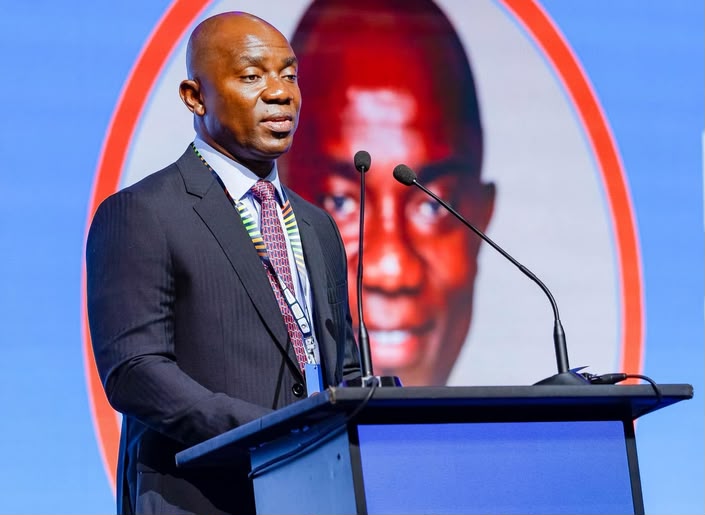
He pointed to recent geopolitical tensions affecting international oil markets, currency volatility and evolving global energy systems as evidence that petroleum markets are becoming increasingly complex.
These developments, he noted, require businesses and policymakers to move from reactive decision-making towards long-term strategic planning.
Resilience is not measured by how we perform when conditions are favourable; it is measured by how prepared we are when they are not. That is the challenge before us today, and it is one we must address together.
Dr. Patrick Kwaku Ofori
His remarks reflect broader concerns within the downstream petroleum industry, where operators continue to navigate fluctuating international crude prices, exchange rate pressures, shipping disruptions and evolving environmental regulations.
These factors increasingly influence fuel pricing, supply reliability and investment decisions across African petroleum markets.
Stable policies remain essential for investment
Central to Dr. Ofori’s message was the importance of creating a predictable policy environment capable of supporting long-term investment.
He argued that downstream petroleum businesses are more likely to invest where regulations remain transparent, institutions function consistently and government policies offer certainty over time.
According to him, policy stability supports healthy competition while protecting consumers and giving investors the confidence needed to commit capital to long-term infrastructure projects.
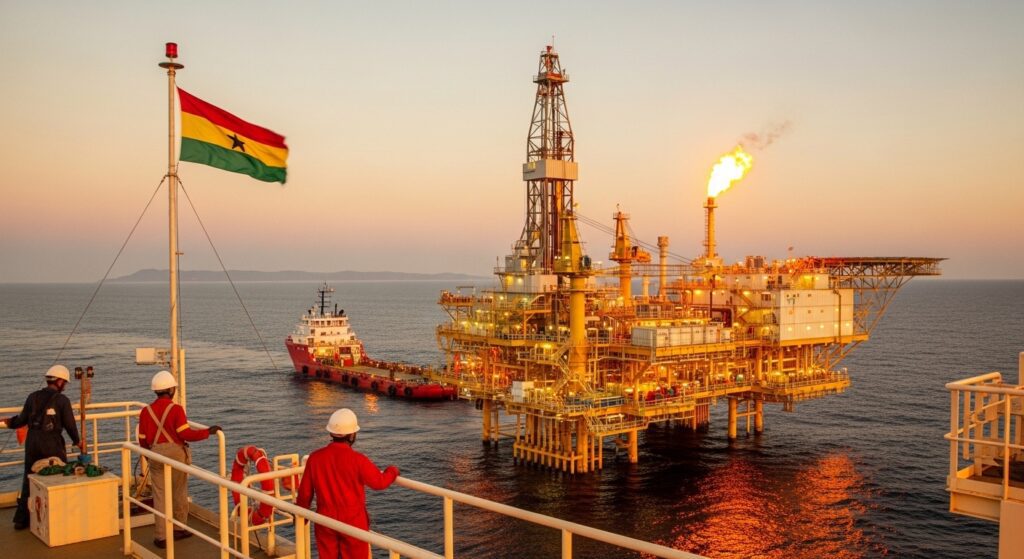
A stable policy environment encourages investment, promotes healthy competition, protects consumers and gives businesses the confidence to plan for the future.
Dr. Patrick Kwaku Ofori
For Ghana, policy consistency has become increasingly significant as government seeks to attract investment into refining, petroleum storage, logistics, gas infrastructure and renewable energy.
Industry analysts have repeatedly noted that regulatory certainty remains one of the strongest determinants of investor confidence within the energy sector.
Technology reshaping downstream petroleum
Dr. Ofori also highlighted technological innovation as another pillar supporting the future competitiveness of Ghana’s downstream petroleum industry.
He observed that digital systems, automation, predictive analytics, artificial intelligence and smarter logistics are rapidly transforming petroleum operations worldwide.
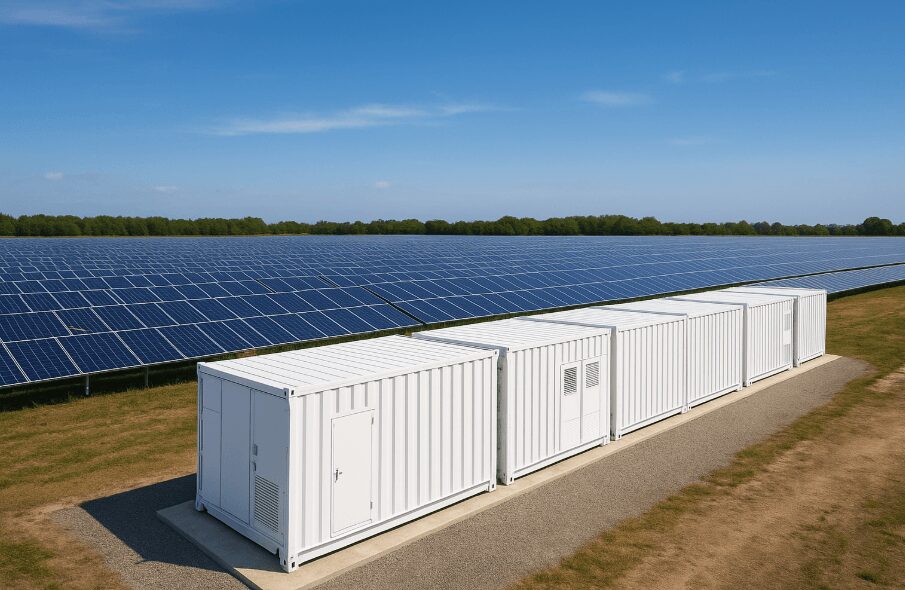
These technologies, he explained, are helping companies improve operational efficiency, enhance safety standards, optimise logistics networks and make more informed commercial decisions.
The growing adoption of digital tools also supports regulators by improving market surveillance, fuel tracking and operational transparency across the petroleum value chain.
For Ghana, accelerating digital transformation could significantly strengthen its competitiveness as neighbouring countries pursue similar reforms within their downstream sectors.
Infrastructure investment remains critical
While policy and technology received considerable attention, Dr. Ofori stressed that long-term resilience ultimately depends on sustained investment in physical infrastructure.
He called for increased investment in petroleum storage facilities, strategic fuel reserves, local refining capacity, transport corridors and road infrastructure connecting ports, depots and major commercial centres.

According to him, expanding this infrastructure would improve supply reliability while lowering logistics costs throughout the petroleum value chain.
He added that stronger infrastructure would also create employment opportunities, stimulate industrial development and strengthen national energy security.
These priorities align closely with Ghana’s broader downstream development agenda, which includes ongoing efforts to revitalise Tema Oil Refinery, establish the Petroleum Hub project and improve fuel distribution infrastructure nationwide.
Regional ambition gaining momentum
Dr. Ofori’s vision of Ghana serving as West Africa’s downstream petroleum and logistics hub reflects an increasingly common theme within the country’s energy policy discussions.
Government officials, regulators and industry leaders have repeatedly argued that Ghana’s political stability, strategic Atlantic coastline, expanding port infrastructure and established regulatory framework provide a strong foundation for regional leadership.
The ambition extends beyond petroleum trading alone.
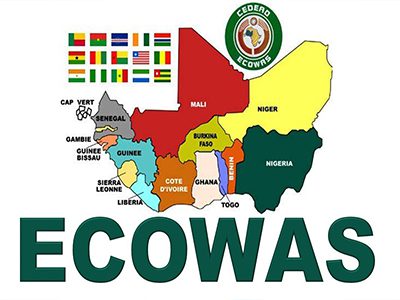
A stronger logistics ecosystem would position Ghana to support regional fuel distribution, petroleum storage, marine bunkering, petrochemical development and broader industrial activity across the Economic Community of West African States (ECOWAS).
As regional economies continue expanding, demand for reliable petroleum infrastructure is expected to increase significantly.
Industry stakeholders believe Ghana is well positioned to capture a larger share of that growing market if investments continue alongside reforms that improve operational efficiency and market competitiveness.
Collaboration will determine success
Although significant opportunities exist, Dr. Ofori acknowledged that achieving Ghana’s downstream ambitions will require sustained collaboration across the entire petroleum industry.
He said the Chamber of Bulk Oil Distributors remains committed to working closely with government, regulators, development partners and private sector operators to strengthen the country’s downstream petroleum industry.
According to Energy News Africa, his remarks reinforced a growing consensus emerging from GHiPCON 2026, that resilience, innovation and strategic investment will determine which countries emerge as regional energy leaders over the coming decades.
For Ghana, the challenge now lies not only in maintaining policy momentum but also in translating industry ambitions into concrete investments capable of expanding refining capacity, modernising logistics networks and strengthening energy security.
As competition among African energy markets intensifies, industry leaders believe the country’s ability to combine sound regulation with sustained infrastructure development could ultimately determine whether Ghana becomes the downstream petroleum and logistics hub it aspires to be.
READ ALSO: NPP Convenes Crucial Meeting over Wontumi’s 20-Year Conviction