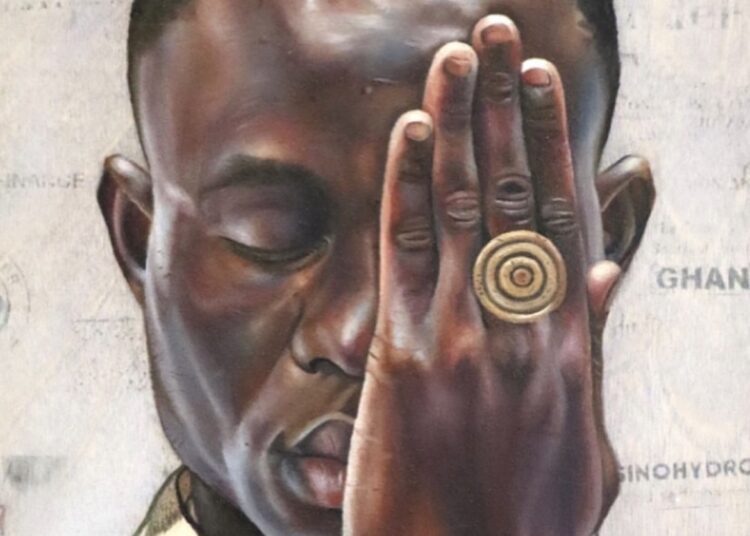
Mr. Poetivist, born James Kofi Lemaire in Ghana, is a poet, writer, performer, and curator known for his distinctive voice that brings vivid, often untold stories to life.
A rising figure in contemporary Ghanaian literature, he has performed internationally, opened TEDxAccra 2021 with his poem “Ode To Afrika,” and serves as a curator at the Museum of African Poetry. His debut album Kumbaya – the Elegy of Distant Relatives, released in 2025, emerged from the suicide of a close brother figure and is sparking rare public conversations about loss and mental health among men in Ghana.
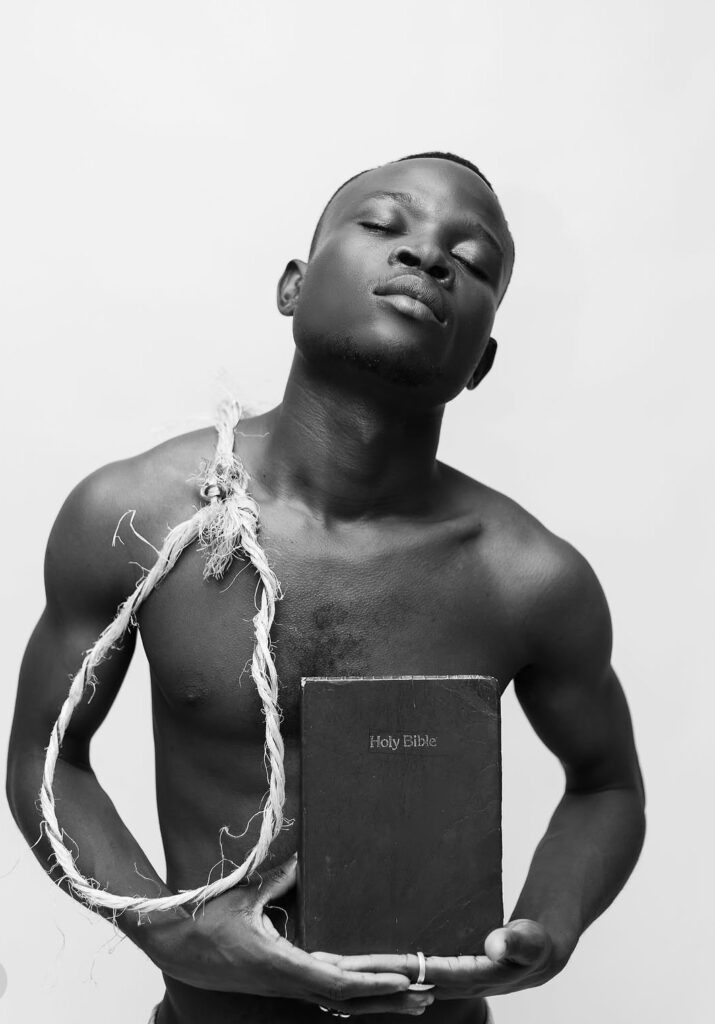
In a recent interview, Poetivist described the deeply personal project as an act of making space for others. “I felt this collection has to make room for someone else and the other people whose love, whose name and whose memory I carry,” he said. Rather than seeking personal closure, he focused on allowing suppressed stories to breathe.
“I wasn’t looking for closure within the poem… I was just paving way for the stories of people, the names of people that I have within me to come alive”
Mr. Poetivist, Poet
About the Album
The album, developed during a residency at Rose Hill in the UK, fuses spoken word with cappellas, orchestral arrangements, and field recordings. Distance from home did not diminish the work; instead, it added new layers through international collaborators.
One track, “Strangers Blues,” incorporates blues elements contributed by non-Ghanaian musicians. For Poetivist, sound functions as more than background.
“Sound as an extension of the narration… It was meant to carry another weight of the words and give the words a new form of narration.”
Mr. Poetivist, Poet
Response from listeners, particularly younger men, has been profound. Many have shared that the album made them feel seen. “The most interesting response I have gotten… is the sense that I thought I was alone,” Poetivist recalled.
This recurring sentiment has reinforced his belief in art’s power.
“Sometimes courage looks like one honest conversation between two people who were taught to stay silent”
Mr. Poetivist, Poet.
Mental health discussions remain limited in Ghana, especially among men. Poetivist sees his work as a necessary intervention. “Mental health is not actually spoken more about in Ghana, especially for men. We are trying, and that’s what art is for,” he stated. He emphasized that healing does not always require dramatic gestures.
Simple acts-sleeping to escape sadness, cooking, drawing, or watching documentaries can serve as quiet but meaningful forms of processing.
The Poetivist identity embodies a fusion of poetry and activism. “Poetivist is a poet and an activist, it’s a sense of responsibility for me to be witness of your truth, to tell it and be more responsible for the people around,” he explained. This sense of duty shapes both his creative output and his curatorial work at the Museum of African Poetry, where he finds joy in discovering other voices.

“There are complex stories out there that need to be explored, that need to be exhumed,” he noted. The role enriches his own writing without overwhelming it.
Poetivist also describes himself as a “country poet” who bears witness to Ghana’s political and social realities. He sees no conflict between personal grief and broader national themes.
“Our existence is political, whether we admit it or not… I am an extension of my country,” he asserted. Grief and loss in Ghana are intertwined with the collective experience, making separation impossible.
He positions his work within a proud lineage of Ghanaian poets such as Kofi Awoonor and Kofi Anyidoho. Grateful for their contributions, he resists mere imitation. “I have great conviction of not becoming like them,” he said. Instead, “Their legacy is not something that you can carry on your shoulder… you can just walk beside it and form your own legacy.”
International audiences have received the album warmly. While some cultural references may not translate, the universal language of grief connects across borders. “They know the language of loss… which happens to everyone,” Poetivist observed.
For first-time listeners, his core message centers on acceptance rather than erasure.
“Accept your loss, accept your grief as it is, and don’t see it as… your identity. All these tears, all these scars, they are part of who we are, and just accept them and keep going”
Mr. Poetivist, Poet
Future Works
Looking forward, Poetivist plans to expand characters featured on the album such as Ruby, Selma My Alabama into standalone stories. A special performance is scheduled for October 10, with additional projects in development. His advice to emerging creators remains simple: read widely and adapt.
Through Kumbaya, Poetivist has crafted more than an elegy. The work creates an opening where grief is permitted to exist openly and where long-standing silences around mental health can begin to break. In a society still navigating these conversations, his honest sharing offers both comfort and courage.
As he continues balancing intimate personal narratives with national witness, Poetivist demonstrates how contemporary Ghanaian poetry can honor individual scars while illuminating collective realities.
READ ALSO: Twenty-Two Patients Benefit from GH₵2m Cardiac Device Mission