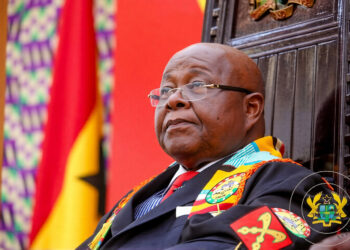
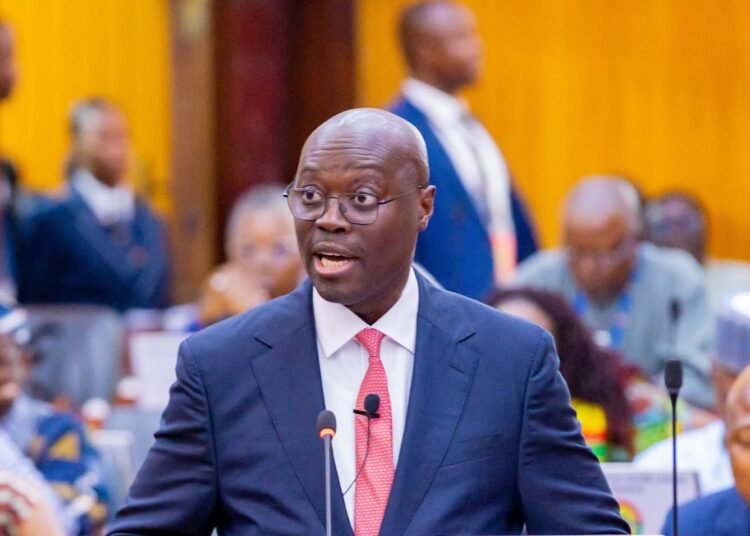
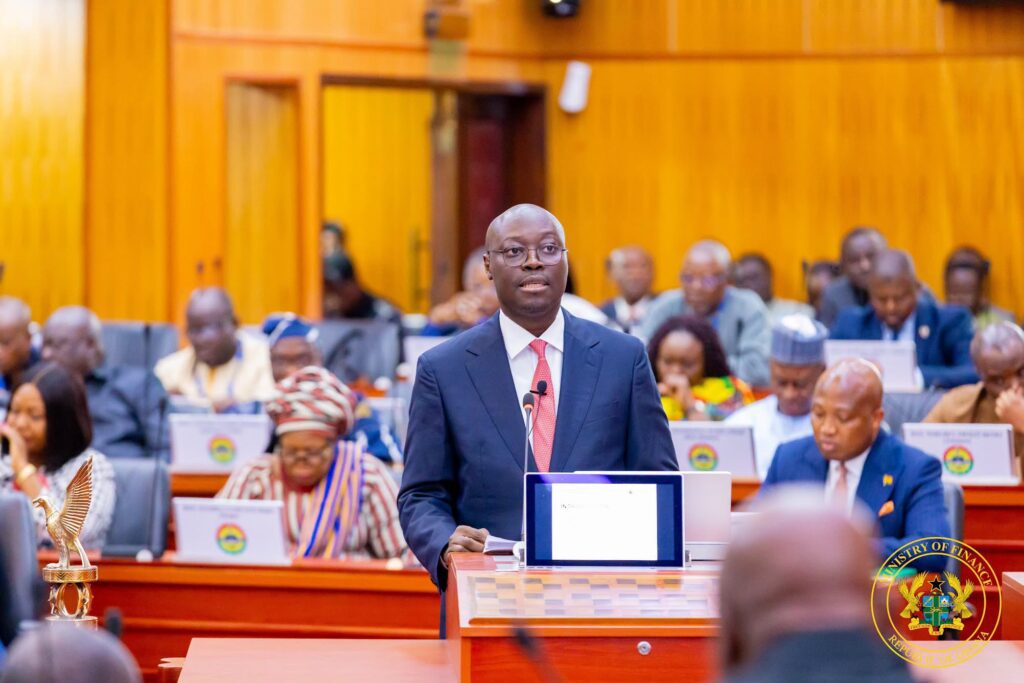
Finance Minister Dr Cassiel Ato Forson has announced that approximately 950,000 Ghanaians moved out of multidimensional poverty within a single year, presenting the figures alongside broader economic growth data during the 2026 Mid-Year Budget Review to Parliament on Thursday, July 23, 2026.
Dr Ato Forson reported that multidimensional poverty, a measure capturing deprivation across living conditions, education, health and employment, fell significantly within the space of a year.
“Multidimensional poverty, which measures deprivation across living conditions, education, health, and employment, declined from 24.9 percent in Q3 of 2024 to 21.9 percent in Q3 of 2025. This means that about 950,000 Ghanaians moved out of multidimensional poverty in just one year”.
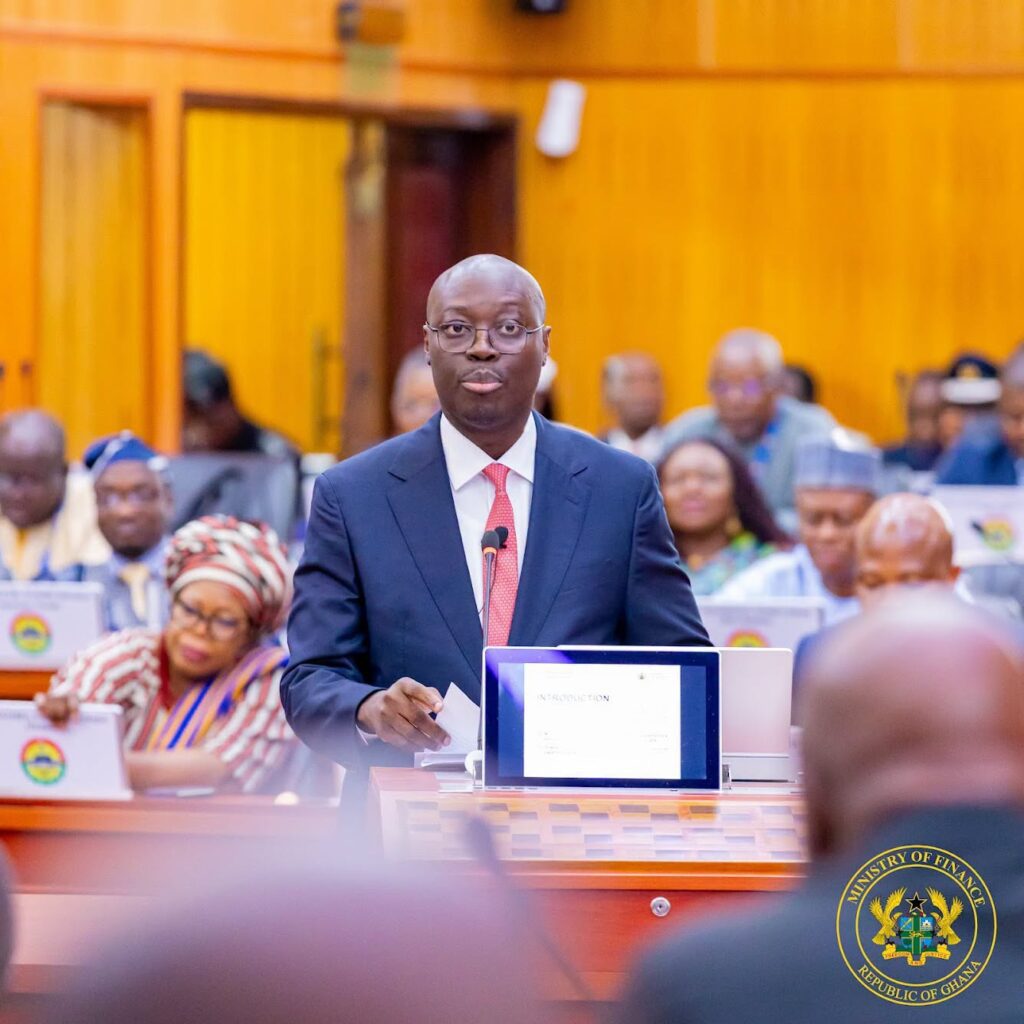
Finance Minister Dr Cassiel Ato Forson
He framed the figures as representing real improvements in the daily lives of Ghanaian households rather than abstract statistical movement. “Behind these statistics are hundreds of thousands of families who now enjoy better living conditions and greater hope for the future,” he said.
He connected this achievement to Ghana’s standing on the continent, noting the country’s rise in regional economic rankings. “It is therefore not surprising that Ghana is now recognised as the eighth-largest economy in Africa,” he said.
Beyond income and output figures, Dr Ato Forson pointed to improvements in Ghana’s labour market, reporting a decline in the national unemployment rate over the same period. “The labour market is also improving. Unemployment rate declined from 13.7 percent during the first three quarters of 2024 to 12.8 percent over the same period in 2025,” he said.
Reforms Judged by Their Outcomes
Turning to the broader economic reform agenda, Dr Ato Forson insisted that policy success must ultimately be measured by tangible results rather than intentions alone.
“Economic reforms must ultimately be judged by their outcomes. I now turn to the evidence of what these Key Transformational Policy Reforms have delivered for the people of Ghana. The results of the past eighteen months demonstrate that disciplined policies, competent economic management and consistent implementation deliver tangible results”.
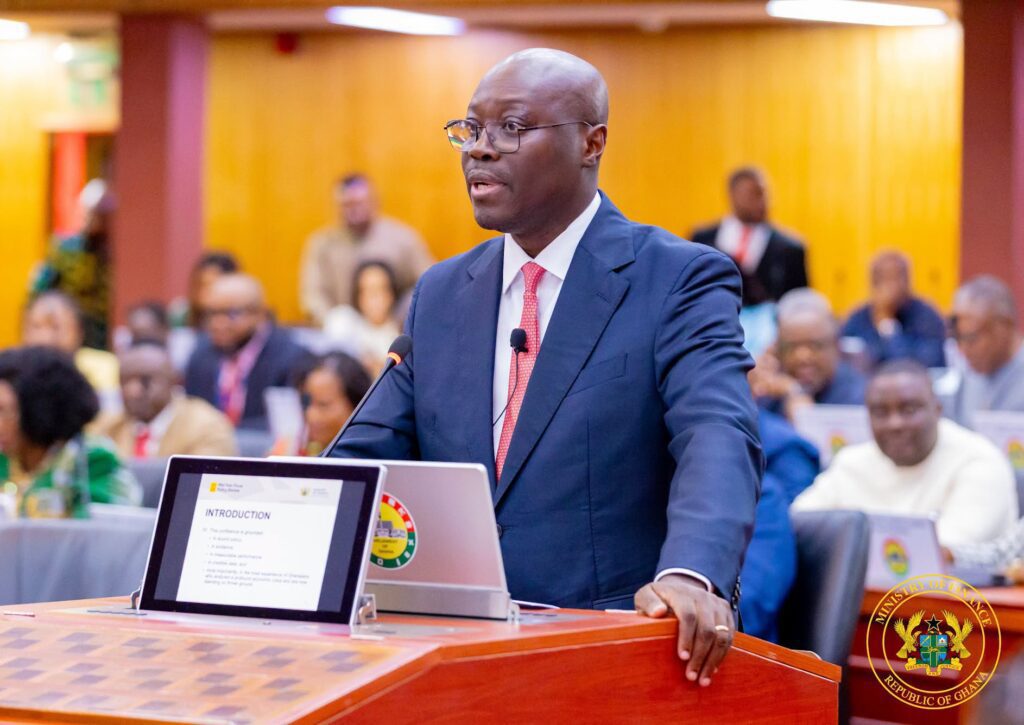
Finance Minister Dr Cassiel Ato Forson
Dr Ato Forson reported that Ghana’s economy expanded at its fastest rate in years, driven by strength extending beyond the country’s traditional commodity sectors. “Real GDP grew by 6.0 percent in 2025, the fastest pace of economic expansion since 2019. Instructively, non-oil GDP grew by 7.6 percent in 2025, the highest rate in fourteen years, demonstrating that Ghana’s recovery extends well beyond favourable commodity prices,” he said.
He added that this growth momentum had carried into the current year, with early figures exceeding government’s own projections. “The momentum has continued into 2026. Real GDP growth reached 6.4 percent in the first quarter, exceeding expectations,” he said.
Dr Ato Forson highlighted a historic milestone in Ghana’s economic trajectory, noting that the size of the economy crossed the $100 billion threshold for the first time. “For the first time in our nation’s history, the size of Ghana’s economy exceeded US$100 billion in 2025, firmly establishing Ghana as a major emerging economy,” he said.
The Finance Minister reported a substantial rise in per capita income over the past year, describing it as the highest figure ever recorded in the country’s history. “Ghana’s per capita income increased by more than US$850 in just one year, rising from US$2,527 in 2024 to US$3,385 at the end of 2025. This is the highest per capita income ever recorded in our country’s history,” he said.
The Implication: Growth Alone Does Not Guarantee Equitable Impact
While Dr Ato Forson presented these figures as clear evidence of disciplined economic management, the data also raises an important implication worth examining closely.
A 3 percentage point decline in multidimensional poverty, while significant, still leaves more than one in five Ghanaians experiencing deprivation across basic living conditions, education, health or employment, even as the national economy posts record growth and crosses the $100 billion threshold.
This gap between headline economic performance and the pace of poverty reduction suggests that strong GDP growth, while necessary, does not automatically translate into proportional improvements in household welfare for all citizens.
The rise in per capita income to a record US$3,385 represents a national average, one that can mask significant disparities between urban and rural households, or between different regions and income groups, particularly given Ghana’s history of uneven distribution of economic gains.
Similarly, the modest decline in unemployment, from 13.7 percent to 12.8 percent, indicates that while more Ghanaians are finding work, the pace of job creation may not yet be matching the scale of economic expansion being reported.
This raises a critical policy question for the government going forward: whether the current growth trajectory is generating enough quality, sustainable employment to meaningfully absorb Ghana’s labour force, particularly its growing youth population entering the job market each year.
For these gains to translate into lasting structural change rather than a temporary statistical improvement, sustained investment in education, healthcare and rural infrastructure will likely need to accompany the macroeconomic policies driving GDP growth, ensuring that Ghana’s newfound status as a major emerging economy is reflected as broadly as possible in the everyday living standards of its citizens, not just in the headline figures presented to Parliament.
READ ALSO: Finance Minister Announces Major Upstream Petroleum Reforms