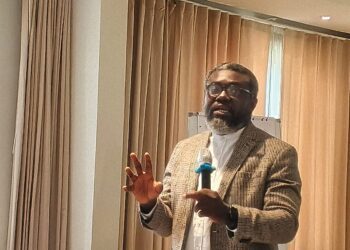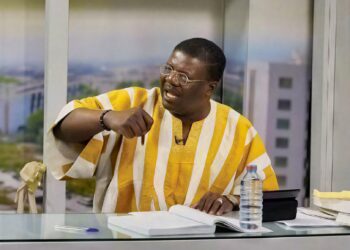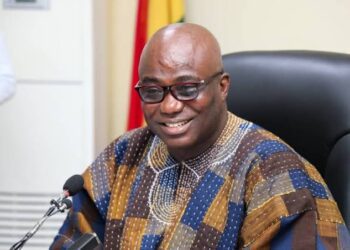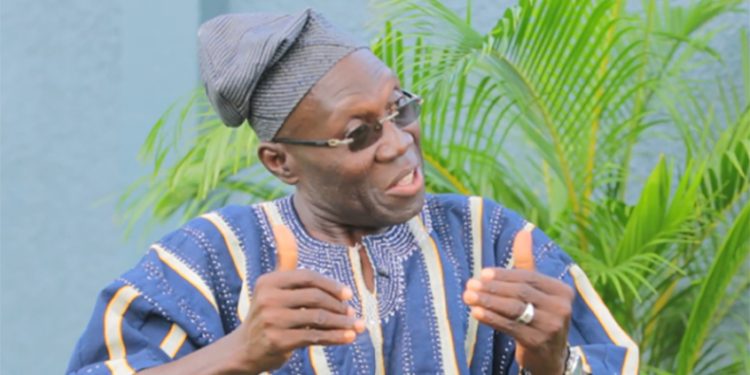
Former Chairman of Parliament’s Constitutional, Parliamentary Committee and Former Member of Parliament for Tamale Central, Inusah Fuseini has argued that extending Ghana’s presidential tenure from four to five years would increase the cost of governance without any assurance of improved performance. He indicated that any constitutional amendment seeking a longer presidential term should first convince Ghanaians that the additional year would produce measurable benefits for the country.
Discussing the constitutional review debate, the Former Chairman explained that extending the President’s tenure would automatically lengthen the terms of Parliament and Metropolitan, Municipal and District Chief Executives. He pointed out that such a decision would carry financial implications because the State would bear the cost of maintaining those public offices for an extra year.
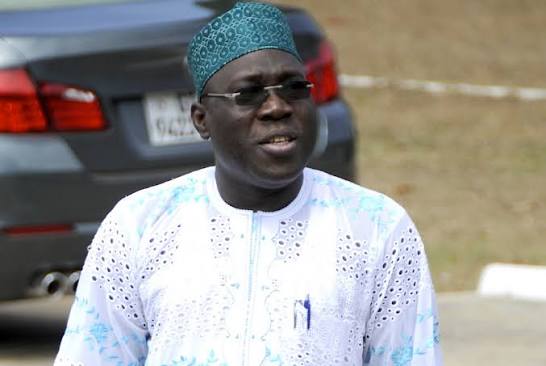
“If you extend the time of the presidency, it will also extend the tenure of Parliament and the MMDCEs. That comes with an additional cost to the State. If that extra year does not produce greater efficiency and better results, Ghanaians will not be convinced.”
Inusah Fuseini
However, Mr Fuseini emphasised that the discussion should focus on value for money and administrative efficiency. The Former Chairman noted that citizens would naturally expect evidence that the extra expenditure would translate into improved governance and better public service delivery.
Referencing public accountability, the Former Tamale Central MP observed that governments assume office with a constitutionally defined mandate and enough time to implement their programmes. That framework, he explained, allows voters to assess performance fairly at the end of every electoral cycle.
Mr Fuseini suggested that extending the tenure could weaken the urgency with which governments pursue their development agenda. The emphasis should remain on effective leadership within the existing constitutional timetable instead of increasing the duration of political office.
Moreover, the Former Chairman argued that elected leaders understand the responsibilities attached to their office from the day they assume power. This, he added, places an obligation on every administration to organise its priorities and deliver tangible outcomes before seeking another mandate from the electorate.
Analysing the proposal further, Mr Fuseini indicated that public confidence depends more on results than the number of years available to govern. Performance is the strongest basis upon which voters judge any administration.
Electing For Governance And The MMDEs
On local governance, the Former Chairman clarified that electing Metropolitan, Municipal and District Chief Executives should not be viewed as a solution to the country’s winner takes all political culture. Instead, he explained that the proposal centres on strengthening accountability at the district level.
Furthermore, Mr Fuseini observed that political parties could still secure victories across several districts even if local elections were introduced. Such an outcome, he argued, would demonstrate that the reform is separate from debates surrounding political dominance.
The Former Tamale Central MP further explained that the real objective is to give residents greater authority over the performance of their local leaders. Consideration, he added, should be given to creating a system where District Chief Executives answer directly to the people they serve.
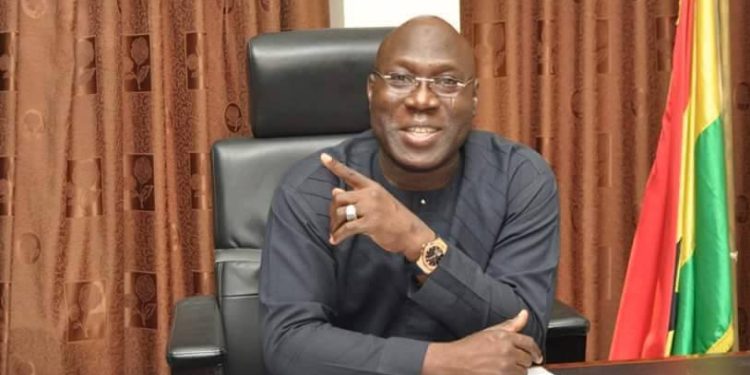
Addressing everyday governance, Mr Fuseini remarked that unelected local executives often face limited public scrutiny because citizens cannot directly determine whether they remain in office. That arrangement, he argued, weakens the demand for prompt responses to community challenges.
The Former Chairman therefore advocated stronger democratic accountability at the local level while insisting that constitutional reforms should prioritise efficiency, responsible leadership and measurable outcomes. He added that any proposal affecting the presidential tenure must ultimately earn the confidence of the Ghanaian electorate before becoming part of the Constitution.
Constitutional Review Must Prioritise Efficiency Over Longer Presidential Terms
Former Chairman of Parliament’s Constitutional, Parliamentary Committee and Former Member of Parliament for Tamale Central, Inusah Fuseini argued that the proposal to extend the presidential term to five years is not a new constitutional debate. He explained that similar recommendations have emerged under successive administrations, making it important for the country to assess the issue through evidence and governance outcomes.
Discussing the history of constitutional reform, Mr Fuseini recounted that broad attempt to amend the 1992 Constitution began during the administration of the late President John Evans Atta Mills. The Former Chairman observed that the process continued under President John Dramani Mahama’s 2012 administration, President Nana Addo Dankwa Akufo-Addo and has returned under the current Mahama administration.
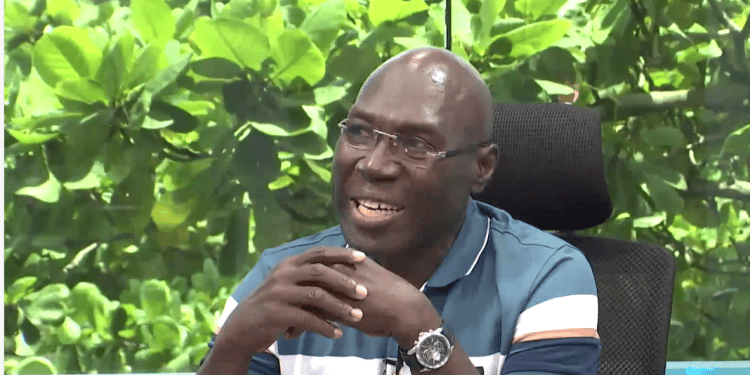
Additionally, the Former Tamale Central MP pointed out that proposals to extend the presidential tenure have existed for years. He recalled that former President John Agyekum Kufuor publicly advocated a five-year presidential term during his final State of the Nation Address in Parliament.
According to Mr Fuseini, supporters of the proposal have consistently argued that governments spend their first year settling into office after elections. The Former Chairman noted that advocates also believe the final year is largely devoted to campaigning for re election, leaving limited time for policy implementation.
“The extension of the term of office for the president is not a new recommendation at all. It has featured in constitutional discussions for years and has been supported by different leaders for similar reasons.”
Inusah Fuseini
Analysing those arguments, Mr Fuseini acknowledged that Attorney General and Minister for Justice Dominic Ayine has advanced comparable reasons in support of the constitutional review process. He explained that both the Attorney General and former President Kufuor believed an additional year would allow governments to dedicate more uninterrupted time to implementing their programmes.
Nevertheless, the Former Chairman indicated that recent developments have offered a different perspective on the debate. He argued that President John Dramani Mahama’s current administration has demonstrated that governments can pursue their policy agenda effectively within the existing four year constitutional framework.
In light of this, Mr Fuseini contended that efficiency should remain the principal measure of good governance. The Former Tamale Central MP remarked that performance depends on leadership, planning and commitment instead of extending the constitutional tenure of office.
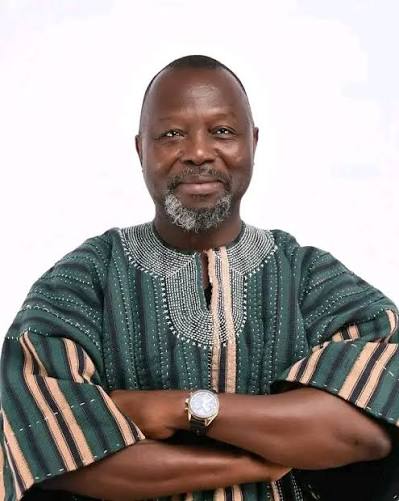
“We should evaluate efficiency above the number of years in office. Good governance depends on performance and the ability to deliver within the mandate given by the people.”
Inusah Fuseini
Furthermore, Mr Fuseini cautioned that a longer presidential term could gradually reduce the urgency with which governments pursue their development agenda. This, he argued, may encourage complacency because administrations could assume they have additional time before facing electoral accountability.
Addressing the constitutional process, the Former Chairman explained that Article 66, which governs the presidential term of office, is an entrenched provision. Any amendment, he stressed, requires approval through a national referendum, placing the final decision directly in the hands of Ghanaian voters.
He added that the priority must be placed on allowing citizens to determine whether the proposed amendment serves the national interest. Consideration, he observed, must also be given to preserving democratic accountability while strengthening the country’s constitutional architecture.
Rather than focusing solely on the duration of political office, Mr Fuseini urged policymakers to improve the effectiveness of governance through stronger institutions and responsible leadership. He further remarked that constitutional reforms would achieve greater public confidence when they promote accountability, efficiency and measurable results for the benefit of all Ghanaians.
READ ALSO: Arathejay Surprise-Releases Spiritual EP Christo Disco