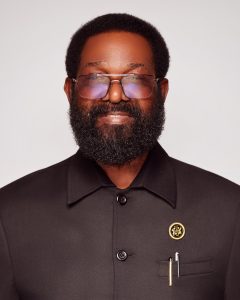
Member of Parliament for Ablekuma South, Dr Alfred Okoe Vanderpuije, has defended the practice of allocating a quota of the District Assembly Common Fund to Members of Parliament, insisting the arrangement should not be reduced despite arguments that the funds should go exclusively to District Chief Executives as the primary agents of local development.
Speaking on the matter, Dr Vanderpuije, who has served in both capacities as an MP and previously as a District Chief Executive, argued that while chief executives carry formal responsibility for district development, MPs also play an indispensable role in directly meeting the everyday needs of their constituents, a role he said cannot be sustained without continued access to Common Fund resources.
Dr Vanderpuije acknowledged the argument that the Common Fund should primarily benefit chief executives, given their formal mandate over local governance and development, but pushed back against the idea that this should come at the expense of MPs entirely.
“An MP also has a role in the development of the area. The MP has a role in the education of the children, the needs of the people, and providing support to constituents. That is why Members of Parliament must continue to receive their share of the District Assembly Common Fund.”
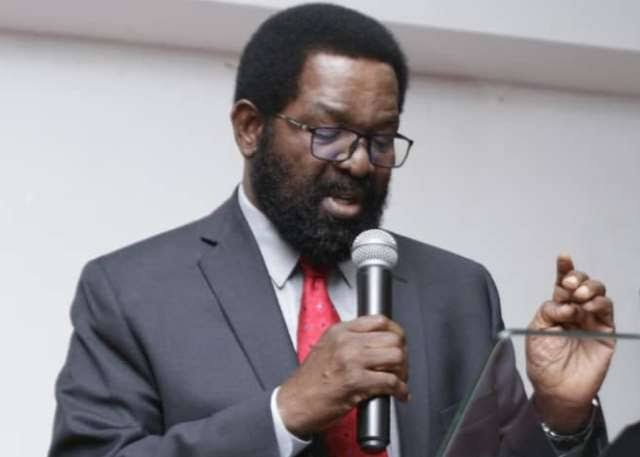
Dr Alfred Okoe Vanderpuije
He explained that his constituency office regularly receives requests from residents seeking practical support, ranging from school fees to medical needs and skills training, obligations he said he has consistently met throughout his three terms as MP, and which would be difficult to sustain without dedicated funding support.
Constituents See MPs as Development Partners
Dr Vanderpuije stressed that the scale of demand placed on MPs’ offices by constituents is substantial, often requiring lawmakers to source resources beyond what is formally allocated to them.
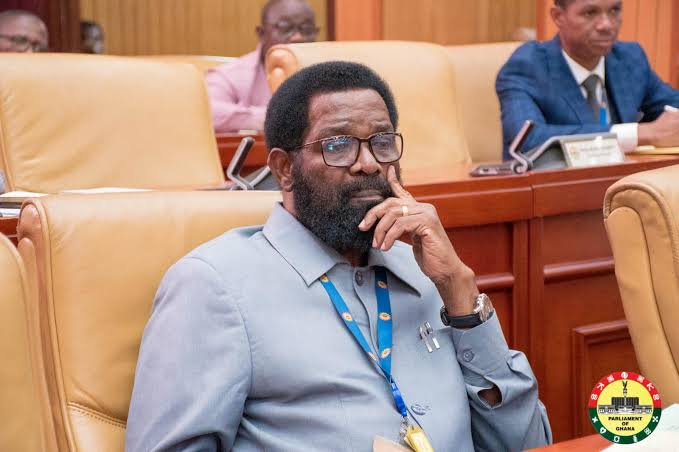
He added that despite holding a distinct legislative role, MPs remain members of their respective District Assemblies, giving them a formal hand in local decision-making processes alongside chief executives, a structural reality he said justifies their continued access to a share of the Common Fund.
Beyond the Common Fund debate, Dr Okoe addressed a separate proposal from the Constitution Review Committee recommending a term limit for District Chief Executives, specifically restricting occupants of the office to no more than two terms of five years each.
He confirmed that government has rejected this proposal, arguing instead that the tenure of DCEs is more appropriately addressed within the broader framework governing local government rather than through a constitutionally entrenched term limit.
Dr Okoe, drawing on his own experience of serving eight years as a DCE under the current system, questioned the logic behind imposing term limits on chief executives when Members of Parliament themselves face no such restriction.
Grassroots Accountability Over Fixed Term Limits
Dr Vanderpuije argued that decisions on how long a District Chief Executive should remain in office are best left to the people they serve at the grassroots level, rather than being dictated by a fixed constitutional limit. He drew a distinction between the presidency, where a five-year, two-term limit is widely accepted, and the office of DCE, which he said operates much closer to the communities it serves.

He warned that imposing arbitrary term limits risks removing effective chief executives who continue to enjoy strong community support simply because they have reached a numerical cap, rather than because residents have expressed dissatisfaction with their performance.
In his view, the appropriate mechanism for removing an underperforming chief executive should remain the ballot, allowing residents to make that determination directly rather than through a blanket legal restriction.
Broader Debate on Local Governance Reform
Dr Vanderpuije’s comments touch on two distinct but related debates currently shaping conversations around local governance reform in Ghana: how development resources such as the Common Fund should be distributed between elected officials at different levels, and how long individuals should be permitted to serve in local government leadership roles such as the DCE position.
His remarks suggest a broader philosophy favouring flexibility and community-driven accountability over rigid structural limits, whether applied to funding allocations or tenure restrictions, positioning him as a defender of the current arrangement that gives both MPs and chief executives overlapping, complementary roles in driving development at the constituency and district levels.
With government having already rejected the proposed term limit for DCEs, attention now turns to how the debate over MPs’ continued access to the District Assembly Common Fund will unfold, particularly as calls persist from some quarters to redirect a greater share of those resources exclusively toward chief executives.
Dr Vanderpuije’s defence of the status quo, grounded in his firsthand experience occupying both positions, adds a notable voice to a conversation likely to continue as Ghana’s broader local government reform discussions progress.
READ MORE: Wa Municipal Hospital Sinks Under GHS5 Million Debt Burden