The Ministry of Education is calling on teacher training institutions across the country to place greater emphasis on equipping future teachers with digital skills, as part of a broader push to strengthen technology integration in classroom teaching and learning.
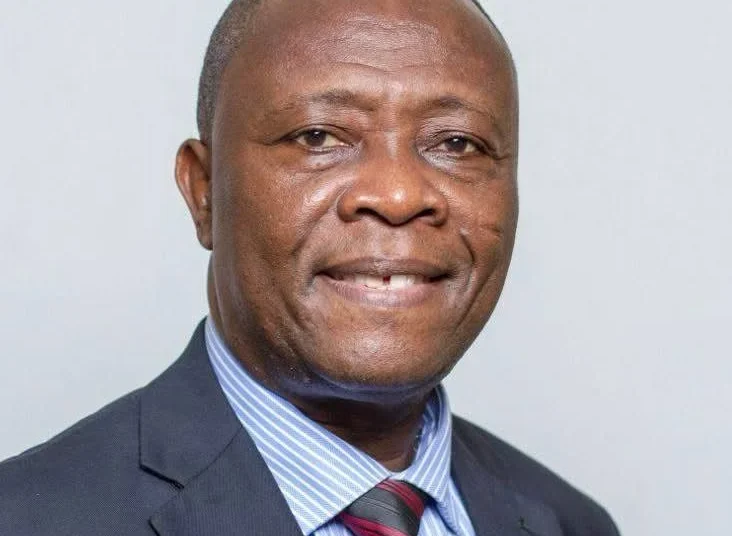
Technical Advisor to the Ministry, Prof. George K.T. Oduro, disclosed that a Ministry-led study conducted in five regions found that a majority of basic schoolteachers face significant challenges using digital tools in their classrooms, a gap he said threatens to widen existing inequalities in the education system if left unaddressed. He argued that closing this gap must now become a central priority for institutions responsible for training the next generation of teachers.
Prof. Oduro explained that the findings emerged from what he described as a deep-dive research exercise on the basic education implementation framework, carried out across five regions to assess how well teachers are integrating Information and Communication Technology (ICT) tools into their lessons. The study, he said, was designed to provide an evidence-based picture of where the sector currently stands on digital readiness at the classroom level.
“Teacher preparation must evolve to produce educators capable of meeting the demands of an increasingly technology-driven classroom.”
Prof. George K.T. Oduro
He noted that the challenge is particularly pronounced among teachers in rural areas, where limited exposure to digital tools has contributed to a widening digital divide between rural and urban school communities.

According to Prof. Oduro, even among teachers who possess some level of digital know-how, concerns were raised about the accessibility and availability of technological devices within their schools, a barrier that undermines efforts to translate digital literacy into actual classroom practice.
He stressed that the findings should not be viewed as an indictment of individual teachers, but rather as a systemic issue rooted in gaps in both training and infrastructure that have accumulated over time and now require deliberate, coordinated correction.
Limited Devices Undermining Classroom Integration
Prof. Oduro said this combination of skills gaps and device shortages has left many teachers without the dedication or confidence needed to consistently incorporate ICT into their teaching, even where the will to do so exists.
He explained that government and other education stakeholders are working systematically to address the infrastructure side of the challenge, including expanding access to technological devices, broadband connectivity, and solar-powered infrastructure in schools that currently lack reliable electricity.
“While government and stakeholders work systematically on the provision of technological devices, broadband connectivity and solar infrastructure, tertiary institutions must anchor these transformations systematically.”
Prof. George K.T. Oduro

He argued that infrastructure investment alone will not close the digital divide unless it is matched by deliberate efforts within teacher training institutions to build digital competence into the foundational training of future educators, rather than treating it as an optional add-on.
According to him, tertiary institutions responsible for teacher education have a particular obligation to lead this shift, given their role in shaping how new teachers approach classroom instruction from the very start of their careers.
Call for Stronger Research Funding in Teacher Education
Beyond the digital skills gap, Prof. Oduro highlighted the importance of sustained research funding in shaping effective teacher education policy going forward. He acknowledged what he described as the indispensable role funding plays in supporting meaningful research within the sector, stressing the need for a dedicated and reliable source of research grants to support locally driven, indigenous research efforts.
He expressed hope that teacher education departments across the country’s universities would work to create an enabling environment for their faculty to strengthen their capacity for research grant development, while also encouraging closer engagement with the National Research Fund as a key resource for financing future studies.
He suggested that without this kind of sustained investment in research, institutions would struggle to keep pace with the evidence needed to guide sound policy decisions on issues such as digital skills training.
Systemic Challenge Requiring Coordinated Action
Prof. Oduro’s intervention placed the digital skills gap within a broader conversation about the state of teacher preparation in Ghana, framing the modernization of teacher training curricula as one of the most pressing priorities facing the sector if it hopes to produce educators capable of meeting the demands of an increasingly technology-driven classroom environment.
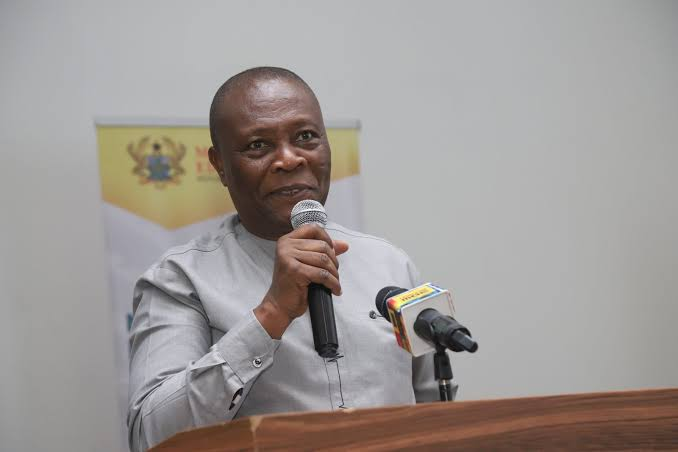
He maintained that the responsibility for closing this gap cannot rest with any single actor, arguing instead that government, tertiary institutions, and other education stakeholders must work in concert, with government focused on infrastructure provision and training institutions focused on curriculum reform, if the country is to see meaningful progress.
With government and stakeholders already engaged in efforts to expand technological infrastructure in schools, attention now turns to how quickly teacher training institutions can adapt their curricula to match this investment.
Prof. Oduro’s comments suggest that closing the digital divide in Ghana’s basic education system will require coordinated action on two fronts simultaneously, ensuring schools have the devices and connectivity needed for digital learning, while also ensuring that the teachers standing in front of classrooms are properly equipped with the skills to make full use of them.
READ MORE: Health Directorates Warns Directors Against Unauthorized Posting Changes