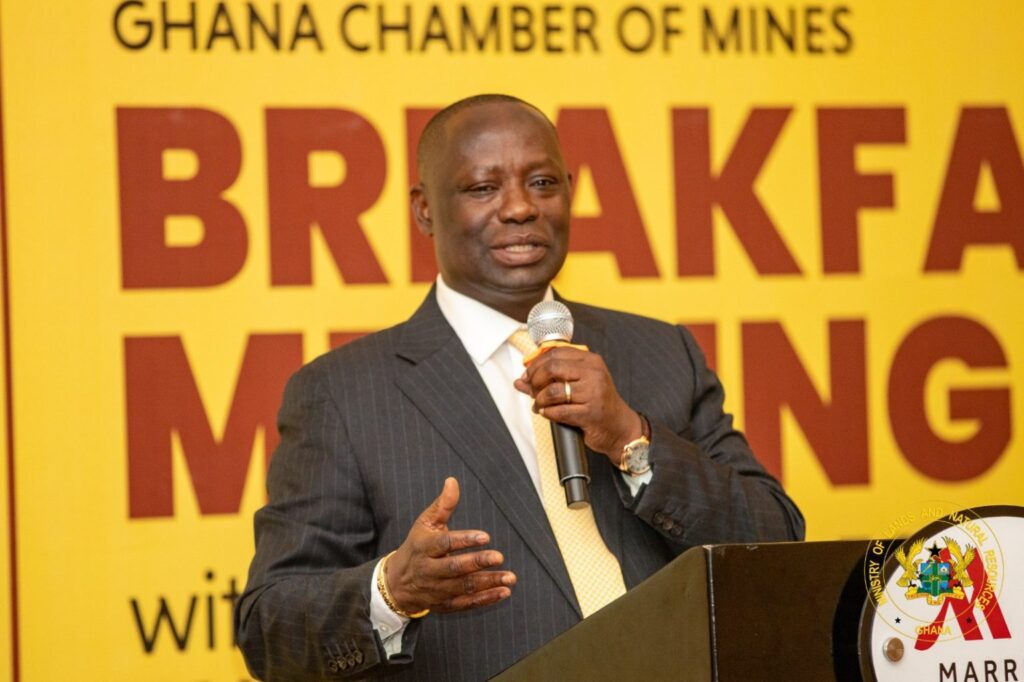
The Government of Ghana through the minister for Lands and Natural Resources, Hon. Emmanuel Armah-Kofi Buah, has initiated formal state measures to secure a legal order compelling Adamus Resources Limited to fully and promptly settle all accrued tax arrears, unpaid royalties, and statutory financial obligations owed to the state.
The decision follows the Minister’s final determination upholding the revocation of the mining firm’s three core concessions the Akango, Salman, and Nkroful leases after an extensive review by an Inter-Ministerial Committee confirmed widespread regulatory and fiscal infractions.
“Hon. Buah has also indicated his intention to secure an order that Adamus fully and promptly fulfils its royalty, tax and other financial liabilities to the Government of Ghana.”
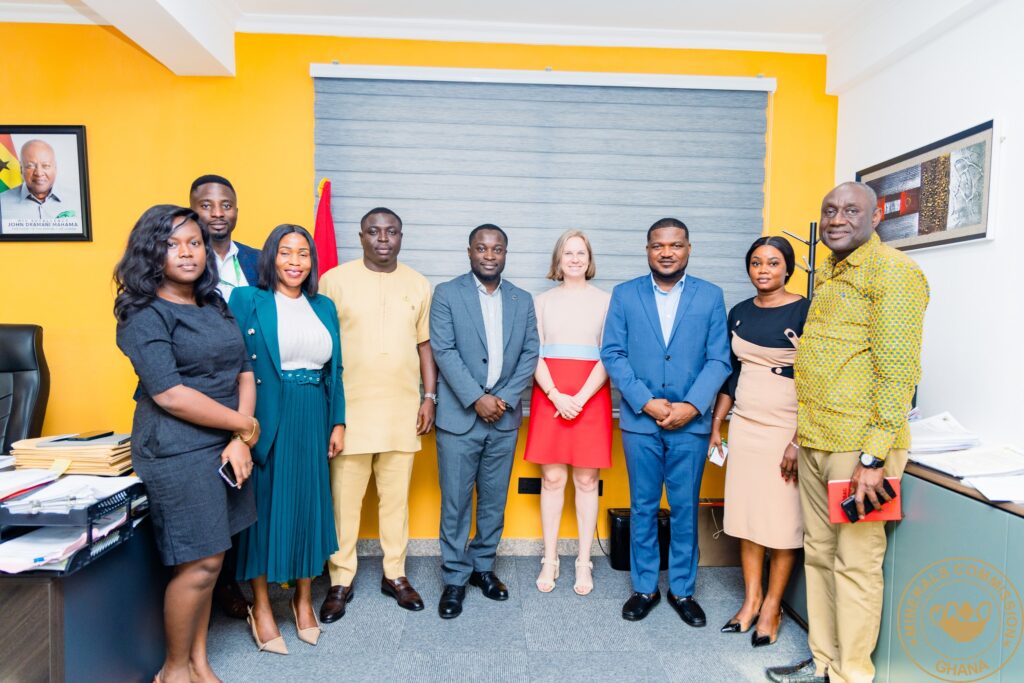
Minerals Commission
Expanding on this state recovery drive, official investigative findings revealed that Adamus Resources Limited accumulated a massive statutory debt profile comprising GHS 290.5 million in tax liabilities, GHS 86.8 million in unpaid mineral royalties.
Despite these substantial outward capital flows, the company neglected its primary financial commitments to Ghana and left its mandatory environmental restoration bonds only partially fulfilled.
Regulatory Breaches and Lease Cancellation
The final determination by the Lands and Natural Resources Ministry concludes a high-stakes administrative review process initiated after the Minister, acting upon firm recommendations from the Minerals Commission, revoked the three operational leases in April 2026.
The initial enforcement action to strip Adamus Resources Limited of its mining rights was triggered by a series of technical field inspections conducted by the Inspectorate Division of the Minerals Commission.
These regulatory assessments exposed persistent and material violations of the Minerals and Mining Act, 2006 (Act 703) alongside its subsidiary legislations, demonstrating a complete disregard for Ghana’s extractive governance framework.
Central to the necessity for lease cancellation was the company’s unauthorized assignment of mineral rights to third-party operators.
Investigation reports established that Adamus Resources Limited unlawfully subleased designated portions of its concessions to foreign nationals for independent mining ventures.
This transfer occurred without obtaining the prior written consent of the sector Minister, representing a direct breach of Section 14(1) of Act 703, which explicitly forbids any transfer, assignment, or subleasing of mineral rights without prior executive clearance.
Furthermore, state inspectors cited the company for “mining outside demarcated and permitted areas” without an approved Operating Permit issued by the Chief Inspector of Mines.
These extra-jurisdictional activities contravened Regulations 200(1)(b) and 200(1)(d) of the Minerals and Mining (Licensing) Regulations, 2012 (L.I. 2176).
By operating beyond authorized geographical bounds, the company compromised spatial planning guidelines and undermined statutory monitoring mechanisms across the Western Region’s gold belt.
Environmental Violations and Corporate Misconduct
Beyond geographical transgressions and unlawful subleasing, Adamus Resources Limited failed to secure basic statutory environmental and forestry authorizations before commencing gold recovery in assigned areas.
Under Section 18 of Act 703, mining companies must obtain explicit environmental permits from the Environmental Protection Authority (EPA) as well as mandatory forestry approvals before undertaking surface disturbance.
By bypassing these statutory checks, the firm exposed local catchments and forest reserves to severe environmental degradation without approved mitigation protocols.
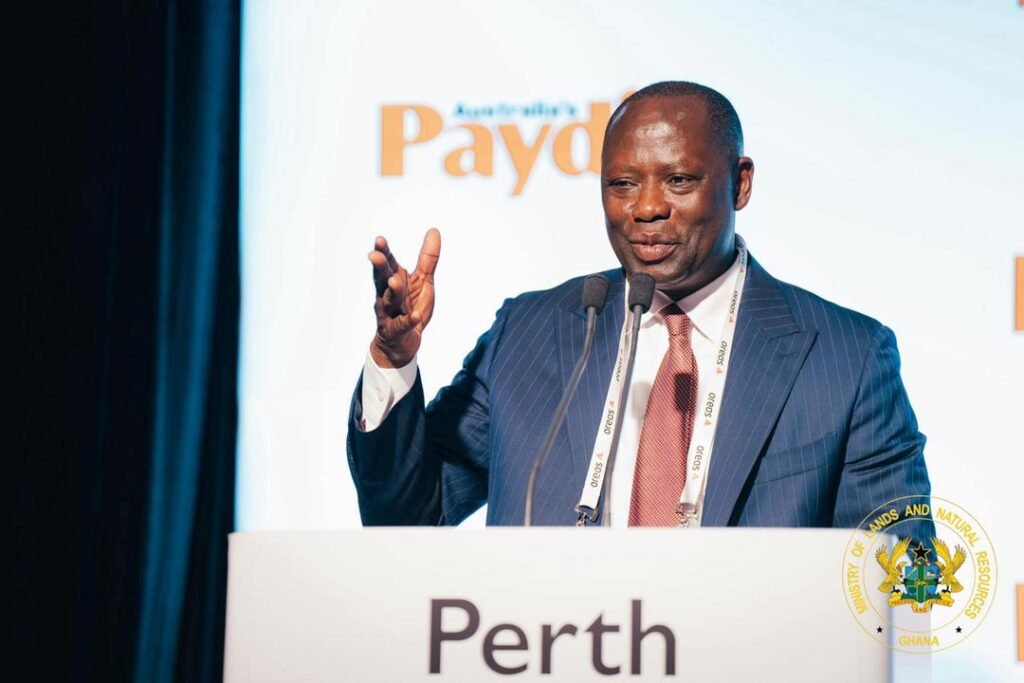
Governance failures further deteriorated the miner’s regulatory standing during the formal review phase. When state authorities set up an Interim Management Committee (IMC) to oversee site operations during the inquiry, company officials actively refused to cooperate.
The Inter-Ministerial Committee’s final report noted that management “deliberately concealed information and provided misleading data” to state investigators in an effort to obscure the true scope of their unauthorized field operations and financial transactions.
Compounding these infractions was the firm’s failure to maintain required environmental financial guarantees, leaving its restoration bonds only partially backed.
This default left the government exposed to potential environmental liabilities across the Akango, Salman, and Nkroful concessions, reinforcing the urgent necessity of upholding the lease revocations.
Stakeholder Safeguards and Continuous Operations
To mitigate economic dislocation in host communities, Minister Buah and senior executives from the Ministry and Minerals Commission conducted an immediate working visit to the mine site to engage key stakeholders, community elders, and mine workers.
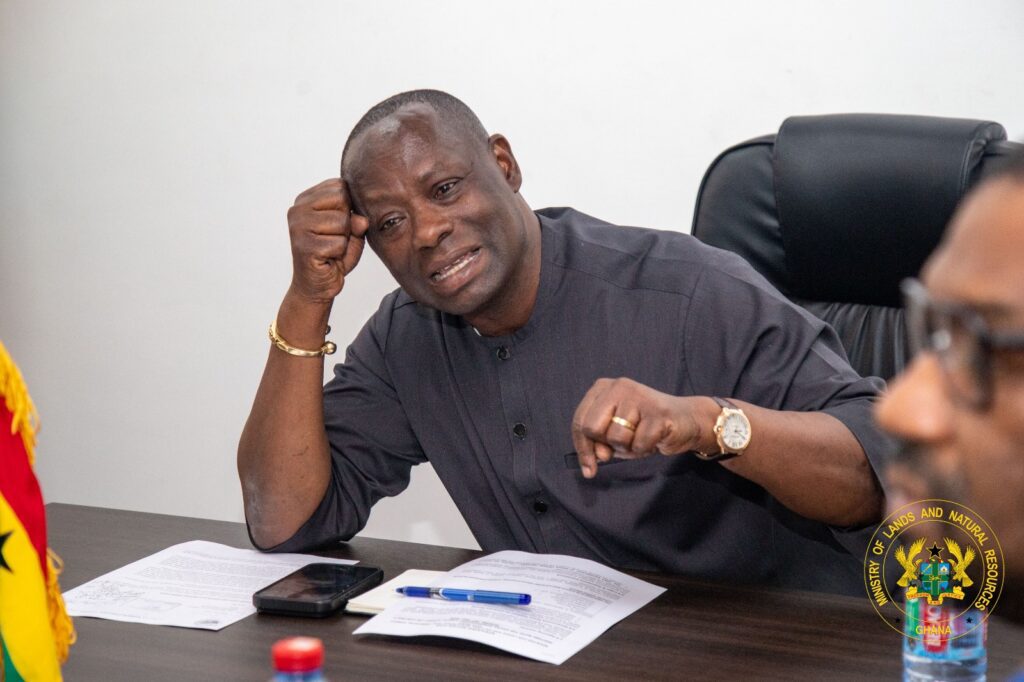
During town hall engagements, the Minister gave firm assurances that the Minerals Commission will “ensure uninterrupted operations until a further decision by government has been announced,” preserving employment stability and local commerce while transition plans are finalized.
This multi-pronged intervention balances industrial continuity with rigorous statutory enforcement.
By moving aggressively to recover hundreds of millions in defaulted taxes and royalties, the government is establishing a decisive benchmark for transparency, corporate accountability, and strict regulatory adherence across Ghana’s extractive industry.
READ ALSO: EOCO Targets Asset Recovery as it Escalates Investigation into Berko Bribery Case