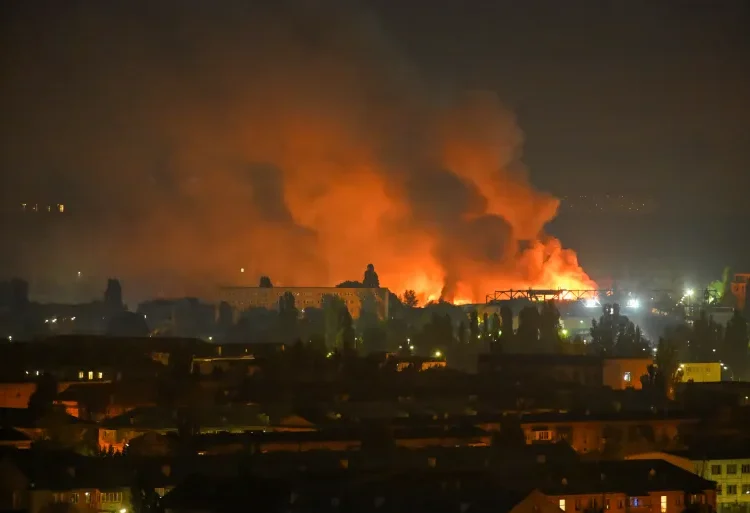
Firefighters across Europe are battling multiple wildfires as another wave of extreme heat sweeps across parts of the continent, with unusually dry conditions making it harder to contain flames and increasing the risk to communities.
France, Britain, Germany, Croatia and Albania were among the countries dealing with active fires today, while Belgium and the Netherlands faced high temperatures and worsening drought conditions.
France, which is experiencing its driest year on record, was confronting a new wildfire in the Landes region in the southwest. The fire, which spread through woodland overnight, prompted the evacuation of more than 500 people from their homes in Luglon, according to the regional administration.
Hundreds of firefighters were deployed to tackle the blaze, one of several fires affecting France this week. Fires have also been reported in parts of the country that are normally cooler and wetter, including northern regions and Brittany. The latest fires come after a major wildfire near Bordeaux last month destroyed large areas of forest and forced around 250,000 people to leave their homes temporarily.
In Britain, firefighters were responding to fires across the West Midlands a day after the country recorded its hottest temperature of the year. The fires in central England generated thousands of emergency calls and forced residents to flee burning homes. Nineteen people were hospitalised, according to the ambulance service.
Simon Tuhill, Chief fire officer of the West Midlands Fire Service, said an investigation would be conducted into the cause of the fires but that initial indications suggested one had begun in grassland before spreading to nearby homes. England and Wales have recorded 1,017 wildfires so far this year, according to figures from the National Fire Chiefs Council.
The Met Office recorded a temperature of 38.1C (100.6F) in west London on Thursday, making it the hottest day of the year so far. Temperatures eased somewhat on Friday, but many parts of Britain have experienced little or no rainfall for several weeks. July was the driest month recorded in England and Wales since records began in 1836, according to the Met Office, adding to drought conditions and increasing the risk of wildfires.
In Croatia, a wildfire near the coastal town of Omis forced more than 1,000 people to leave their homes. Firefighters had brought the blaze under control by Friday, while additional crews and aircraft were deployed further south after another fire broke out overnight on the Peljesac peninsula. Changing winds had contributed to the spread of the Omis fire, pushing flames towards a coastal suburb before firefighters managed to contain them.
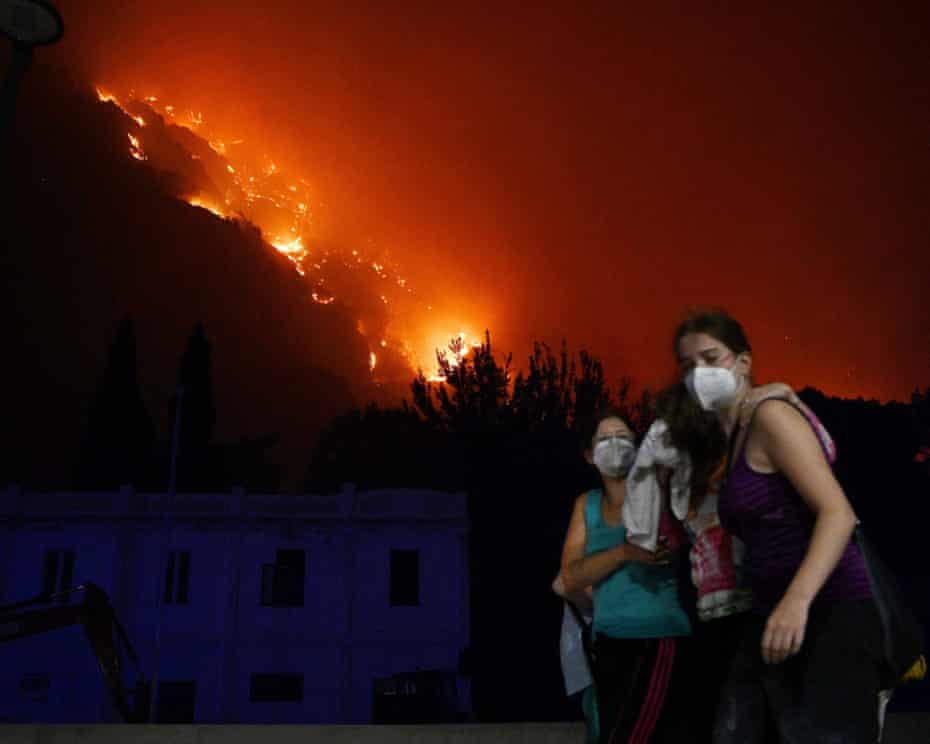
Albania has also been dealing with a series of wildfires in recent weeks. Authorities reported 11 active fires across the country on Friday.The largest was burning in the Gure-Lure area, where firefighters had managed to control the perimeter close to residential properties, reducing the immediate risk to homes.
World War II Explosives Complicate German Fire
In Germany, firefighters faced an additional danger as unexploded World War II munitions hampered efforts to contain a wildfire in the Hürtgen forest in North Rhine-Westphalia. Authorities evacuated all 1,800 residents of the nearby village of Gey after the fire approached the community.
By Friday morning, around 300 hectares of forest were burning, according to local authorities.The presence of unexploded ordnance meant firefighters could not safely enter some areas of the forest. Explosions were heard as old munitions detonated in the heat of the fire.
The flames had advanced to within about 300 metres (1,000 feet) of Gey, which lies near the Belgian border. A change in wind direction overnight increased concerns that the fire could move towards the village and prompted officials to order the evacuation. The cause of the German fire remained unknown.
Heat and Drought Spread Across Northern Europe

The fires come as temperatures remain high across the region, adding pressure to already dry landscapes. The prolonged heatwave has also highlighted the vulnerability of countries that have traditionally experienced cooler climates and have less widespread access to air conditioning and other infrastructure designed for extreme heat.
Belgium recorded its hottest August 13 on record on Thursday, with temperatures reaching 32.6C (90.68F). The country was expected to experience even higher temperatures on Friday, with Brussels forecast to reach 37C (98.6F). The heatwave is Belgium’s third of the summer and has raised concerns about worsening drought. Some communities have already introduced water restrictions, although rainfall was expected on Saturday.
The Netherlands was also forecast to reach 37C. Severe drought has caused water shortages in some parts of the country, although authorities have so far stopped short of declaring a formal water crisis because rain is expected in the coming days.
The combination of extreme heat, limited rainfall and dry vegetation has created conditions favourable to the spread of wildfires across several European countries. Scientists have linked the increase in the frequency and intensity of extreme heat to human-caused climate change.
With temperatures still elevated and rainfall limited in several parts of Europe, emergency services remain on alert as authorities work to protect communities and contain fires across the continent.
READ ALSO: North Korea Warns Of New Deterrent Over US-South Korea Drills