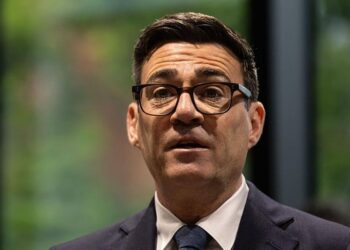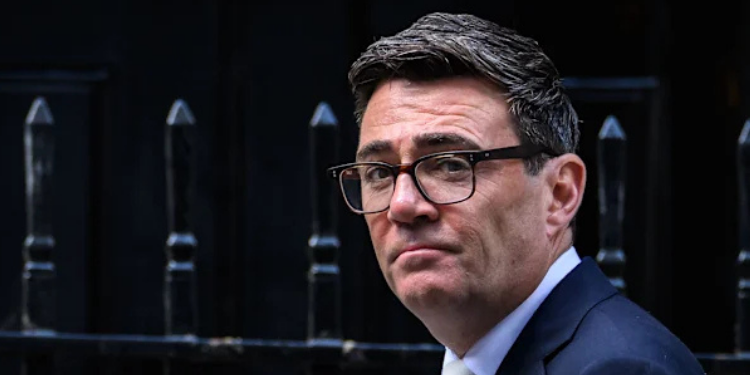
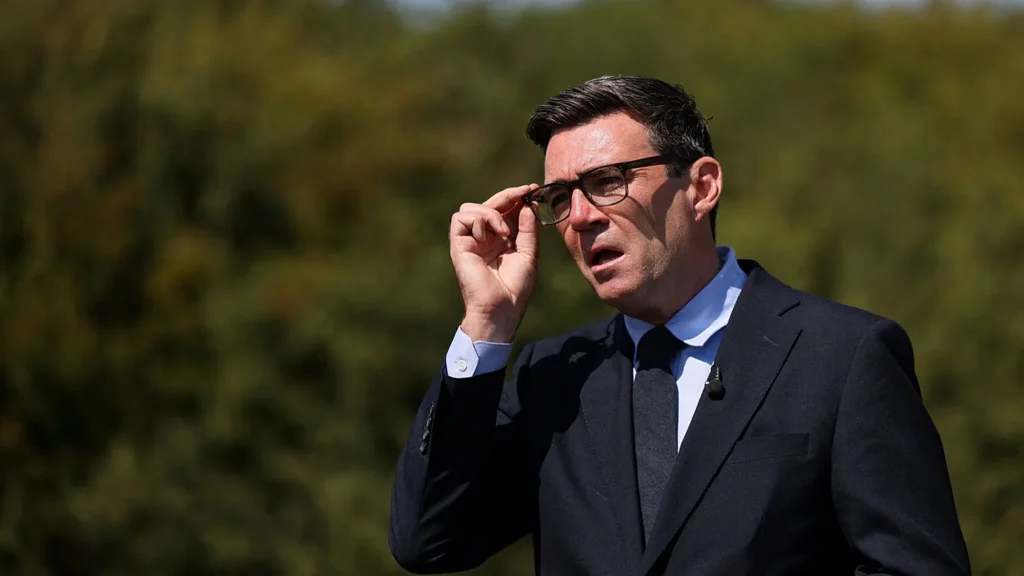
UK Prime Minister Andy Burnham has faced his first major test in the House of Commons, coming under sustained pressure from Opposition leader Kemi Badenoch over his government’s economic direction, tax policy and the rising cost of borrowing ahead of his first Budget in October.
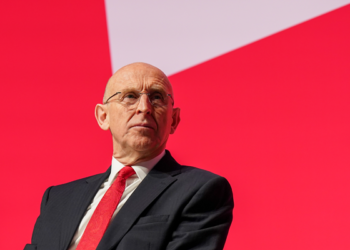
In his first Prime Minister’s Questions, Burnham declined to rule out further tax increases in the October Budget, instead resisting pressure to reveal details of the government’s fiscal plans before Chancellor John Healey delivers the statement.
The exchange placed the new Prime Minister at the centre of growing scrutiny over how his administration intends to balance spending commitments with the demands of financial markets.
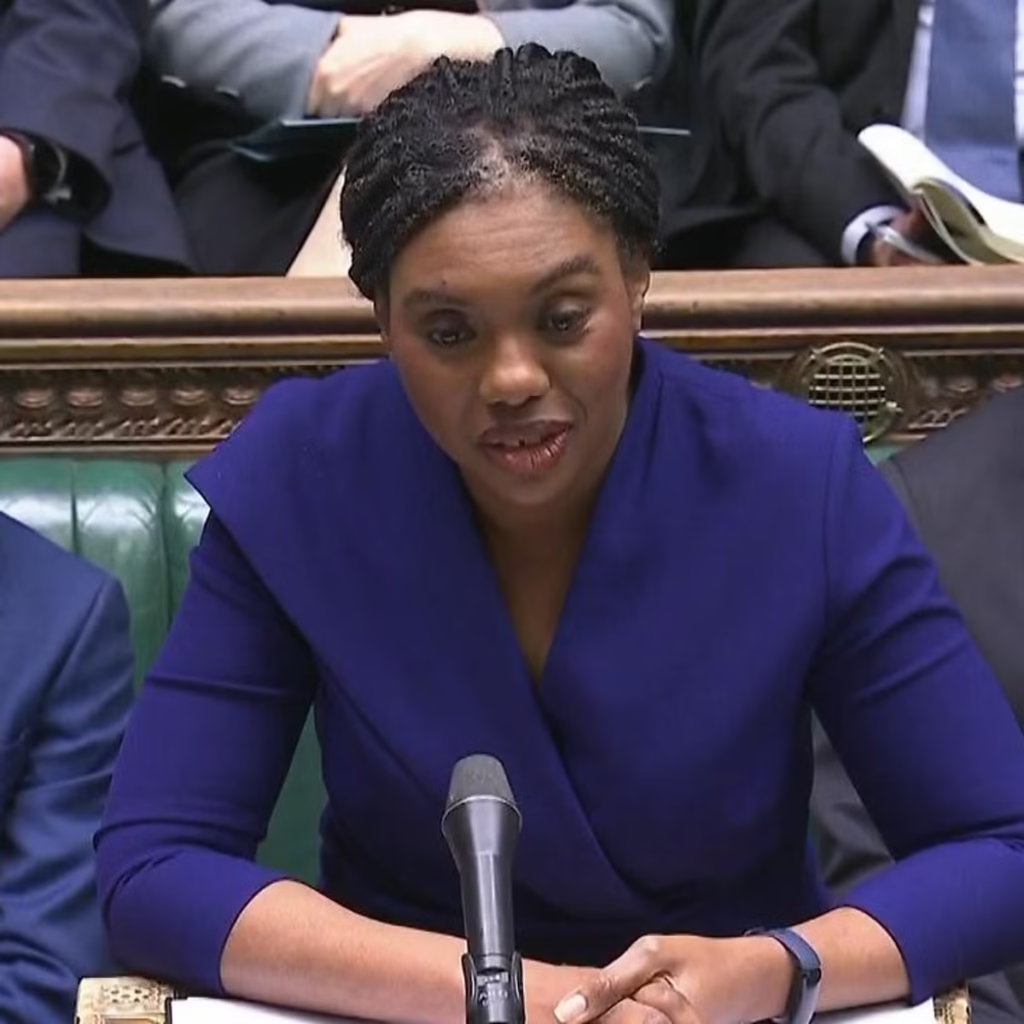
Badenoch sought to portray Burnham as a government leader whose approach could unsettle investors, arguing that financial markets were already concerned about what she described as a more spending-oriented administration.
However, Burnham rejected the suggestion and insisted that the government had deliberately scheduled its first Budget early to reduce the period available for speculation about its plans.
“I’ve already indicated my first moves were to cut tax, but I’m not going to do what any Prime Minister has done and is writing the Budget here. That will be the matter for my Right Honourable friend (Chancellor John Healey).
“But can I also say to her that he and I took a deliberate decision to set an early date for the Budget so that we reduce the period for prolonged speculation of the kind that she is wanting us to indulge in today.”
Andy Burnham
The Prime Minister also turned the attack back on the Conservatives, invoking the economic turmoil that followed Liz Truss’s 2022 mini-Budget.
Burnham criticised Badenoch’s decision to replace her shadow chancellor with a figure who, he argued, had been involved in preparing the Truss mini-Budget, while recalling the severe market reaction that followed the fiscal statement.
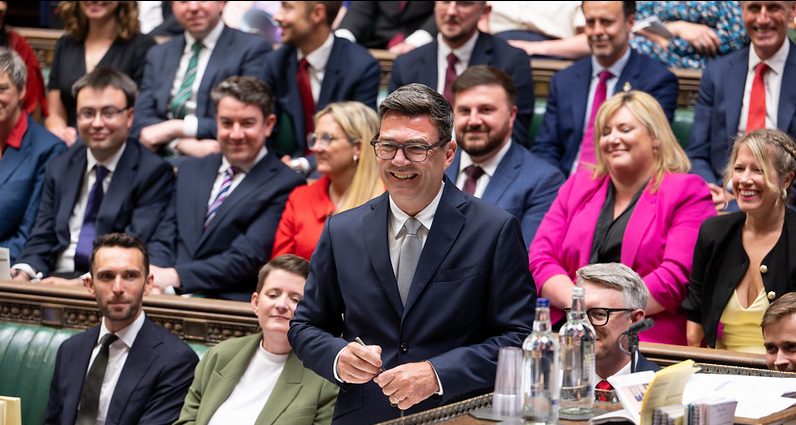
“She took a decision at the weekend, she removed a Shadow Chancellor who said that the Truss mini-budget was a mistake and she replaced that Shadow Chancellor with one that helped write the Truss mini-budget and dare I remind the House that the leader of the Opposition is on record as saying that Liz Truss is 100 per cent right?”
Andy Burnham
He added, “What other thing can I say other than God help us?”
The confrontation came as the government faces an increasingly difficult economic backdrop. The yield on UK government bonds, or gilts, edged higher again, adding pressure on Healey as he prepares the new administration’s first Budget.
The Prime Minister framed the current market turbulence as partly connected to the economic inheritance left by the previous Conservative governments.
“When they were in government, we saw 14 years of stagnant growth. We saw 14 years of debt rising as a percentage of GDP. I would say to her that the turbulence on global markets is because of that exposure that they left behind.”
Andy Burnham
Brexit and Maternity Care Add to Pressure on Burnham
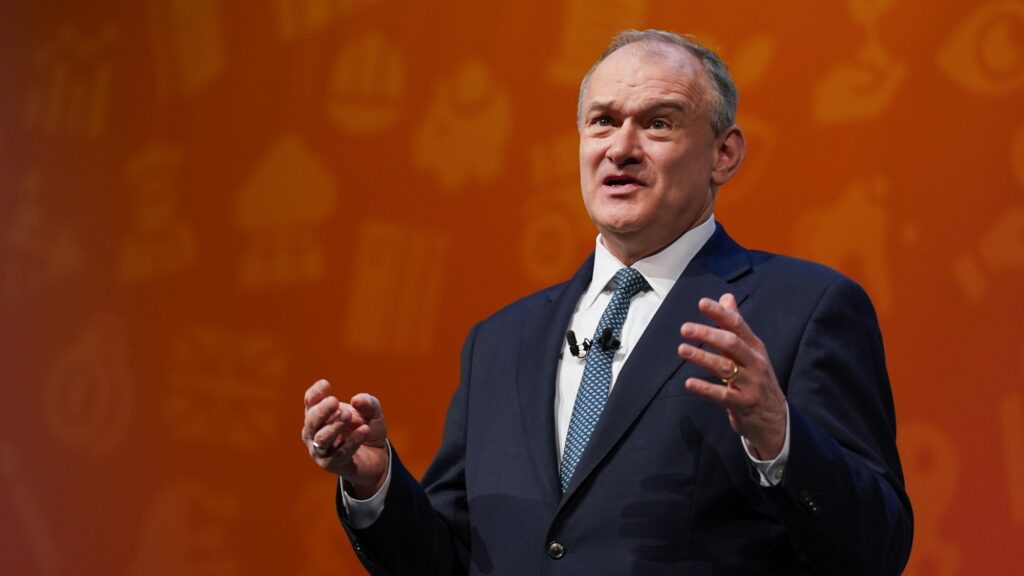
Meanwhile, Liberal Democrat leader Sir Ed Davey used the session to press Burnham on Britain’s relationship with the European Union, arguing that the country should seek to return to the single market as part of a strategy to address weak economic growth.
Davey noted that Brexit had contributed to Britain’s prolonged economic difficulties and urged the Prime Minister to pursue a closer relationship with Europe.
“The answer is staring him in the face: join the single market, get a new deal with Europe and cut costs for families, businesses and government. It’s the bold step our country desperately needs. Will the prime minister take it?”
Ed Davey
Burnham agreed with Davey’s broader assessment that Brexit had contributed to Britain’s low-growth environment, although he stopped short of endorsing an immediate return to the single market.
“I think he is absolutely right to share the analysis that I laid out yesterday. It’s clear the low growth we’ve had has been partly as a result of Brexit and the sooner the party opposite accepts that the more we can start to face up to Britain’s future and where do we go from here.”
Andy Burnham
He indicated that his government would seek a closer relationship with the European Union while building on the work of his predecessor.
However, Burnham stressed that any new arrangements would also have to protect key British industries, particularly farming and steel.
“I do want a closer relationship; I will build on the work of my predecessor. There are issues facing British farming right now and there are issues facing British steel right now, and the ‘Made in Europe’ agenda could pose significant problems for British steel.”
Andy Burnham
With a UK-EU summit expected in the coming months, Burnham revealed that securing arrangements that protect British farmers and steel producers would be an important part of discussions.
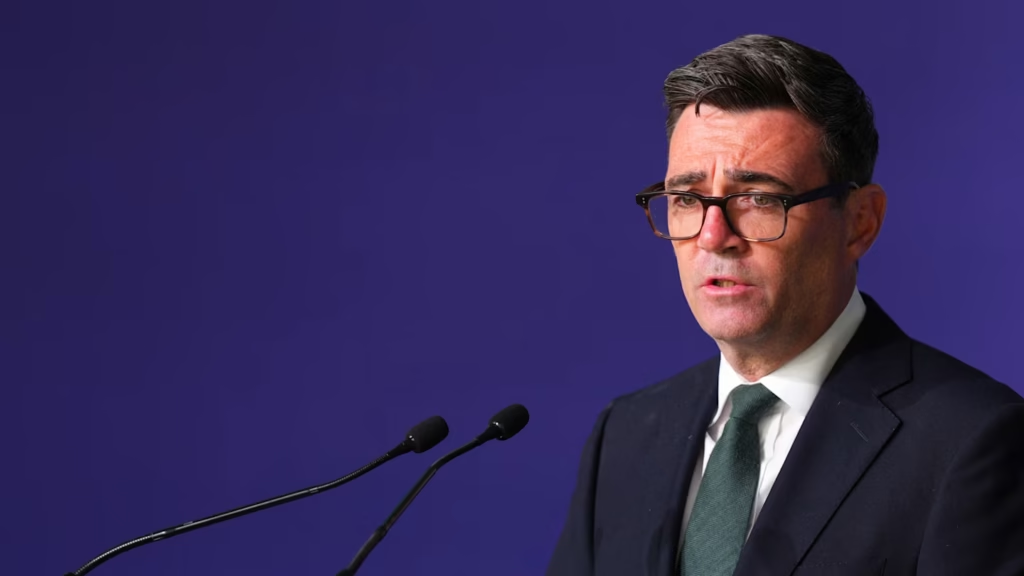
The Prime Minister was also challenged over continuing difficulties within maternity services, after the temporary closure of a unit in North Devon extended into its third week.
Moreover, Ed Davey argued that staffing shortages had forced women to travel for as long as two hours to give birth, putting renewed attention on the wider pressures facing Britain’s health system.
Burnham acknowledged that the problems went beyond a single hospital and pointed to structural weaknesses within maternity services across the country.
“There are structural issues here affecting maternity services across the UK, because this is not the only hospital where there have been difficulties.”
Andy Burnham
He also highlighted longstanding shortages of midwives and mentioned that the Health Secretary was examining the situation following recent maternity reviews.
READ ALSO: GFA President Backs Ampem Darkoa Ahead of Crucial WAFU B Champions League Semi-final