Ghana Health Service (GHS) is set to roll out Nurture App, a digital support model for midwifery and neonatal nursing practice, as part of a broader effort to strengthen frontline healthcare delivery and improve outcomes for mothers and newborns nationwide.
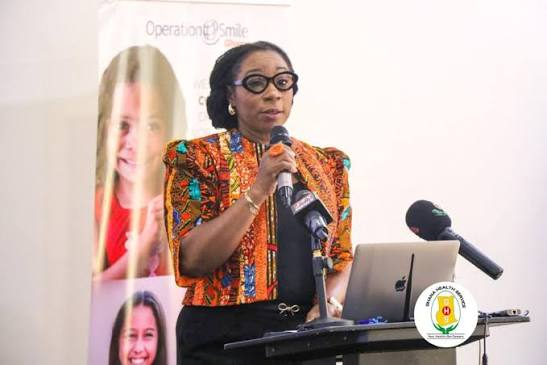
The initiative was highlighted by Dr Caroline Reindorf Amissah, Deputy Director of the Ghana Health Service, during this year’s Senior Nursing and Midwifery Managers Conference 2026, held under the theme “From Strategy to Impact: Strengthening Systems, Empowering Confident Nursing and Midwifery Leadership for Sustainable Primary Health Care and Health Security.”
Addressing participants, Dr Amissah noted that nurses and midwives constitute over 60% of Ghana’s health workforce, placing them closest to communities, mothers, children and families across the country.
She stressed that leadership within the profession is not optional but essential, encompassing the setting of standards, problem-solving, team support, innovation and accountability for outcomes.
She emphasised the importance of bridging research, policy and practice, insisting that research findings must translate into action rather than remain unused, and that policy decisions must be grounded in evidence to advance free primary healthcare delivery across Ghana.

Measuring Strategy by Its Impact
Dr Amissah framed the conference theme around a central test for leadership: whether strategic decisions translate into tangible improvements felt by patients and practitioners alike.
She posed a series of questions meant to guide health leaders in evaluating their systems, including whether strategy changes practice, improves the experience of women receiving care, strengthens practitioner confidence, and enables the system to respond effectively when complications arise.
“That is where strategy moves to impact,” she said, describing this transition as the central mission of the GHS Office of Director of Nursing and Midwifery in building a stronger profession and, by extension, a stronger health system.
Introducing the Nurture App
At the centre of this effort is the Nurture app, developed under the United States government-funded Integrated Health Partnership, implemented by Project Hope in collaboration with the Ghana Health Service and nursing and midwifery leadership across the country.
Dr Amissah explained that the initiative responds to a critical distinction between confidence and competence among practitioners, noting that a health worker may know clinical protocols yet hesitate during difficult cases, or recognize warning signs without being certain whether to escalate care, particularly in settings where specialist support is not immediately accessible.
The Nurture platform is designed to connect frontline providers, pregnant women and mothers with a range of integrated support services, including clinical decision support, access to treatment protocols, remote monitoring of high-risk pregnancies, client education, e-learning modules, and performance dashboards.
Dr Amissah described the platform’s purpose in personal terms, explaining that beyond its technological features, the app is fundamentally about ensuring no midwife facing a difficult situation feels isolated, and about making specialist expertise more accessible to those who need it most in real time.
Strengthening Quality Standards
Alongside the Nurture app, Dr Amissah highlighted ongoing work to establish measurable quality standards for midwifery practice, covering areas such as patient safety and respectful care.
She explained that these standards are designed to ensure that women receive care that is safe, dignified, timely and appropriately responsive during emergencies.
She noted that the collaboration between the Integrated Health Partnership and the Ghana Health Service is grounded in a shared commitment to strengthening the quality, safety and continuity of maternal and newborn care nationwide.
The Human Cost Behind the Numbers
Reflecting on the deeper significance of the work, Dr Amissah reminded conference participants that statistics on maternal and newborn health represent real individuals and families.
She observed that behind every maternal health statistic is a woman, behind every referral is a family anxiously waiting, and behind every emergency is a moment where the effectiveness of the health system is truly tested.
“Sometimes the difference between a good outcome and a poor outcome is not a major technological breakthrough, but a midwife recognising a danger sign early, or a colleague responding quickly.”
Dr Caroline Reindorf Amissah, Deputy Director of the Ghana Health Service
She described this kind of responsiveness, from timely referrals to practitioners having the confidence to escalate care, as the true measure of resilience at the point of care.
Appreciation And a Charge to Leaders
Dr Amissah extended appreciation to key partners supporting the initiative, including the Ministry of Health, the Ghana Registered Nurses and Midwives Association, UNFPA, the World Health Organization, and other sponsors.

She charged senior nursing and midwifery managers to remain responsive, mentor younger colleagues, and cultivate work environments that allow staff to thrive, as part of broader efforts to improve the quality of healthcare delivery across Ghana.
She closed by wishing conference participants a successful and impactful gathering, underscoring that the true measure of leadership lies not in strategic documents but in tangible improvements experienced by the people the health system serves.
READ MORE: Nurses and Midwives Urged to Lead with Compassion and Competence