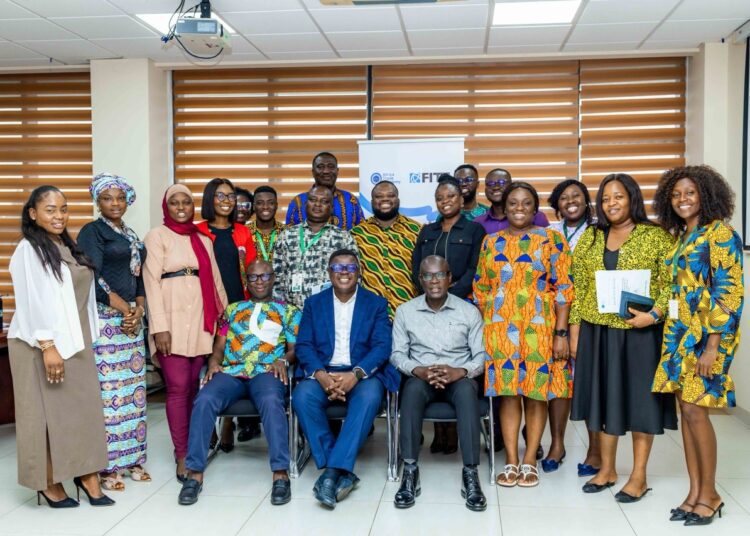
The Ghana Free Zones Authority (GFZA) has taken a proactive step to ensure the nation’s Special Economic Zones (SEZs) are not left behind in the rapidly evolving continental trade landscape.
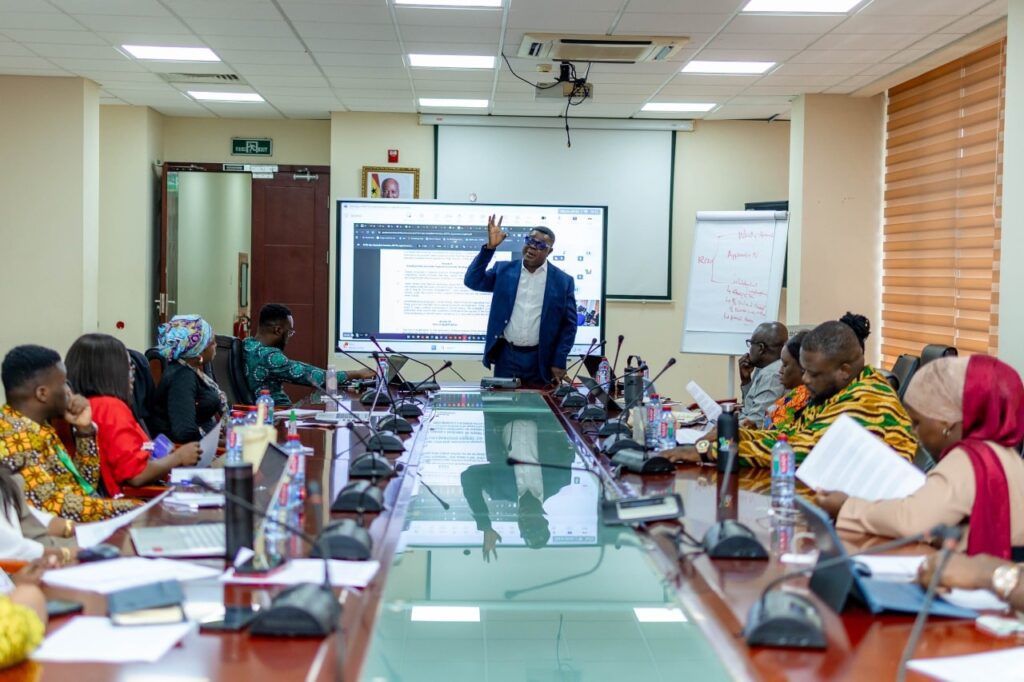
This follows the GFZA’s AfCFTA and Strategic Partnerships Unit concluding a specialized two-day training session in Accra focused on the practical implementation of the African Continental Free Trade Area (AfCFTA) agreement.
“Organized in collaboration with the Africa Trade Academy, the workshop aimed to equip internal stakeholders with the technical precision required to navigate the complex regulatory environment of intra-African trade”
GFZA
As Ghana positions itself as a manufacturing powerhouse, the role of the GFZA is shifting. It is no longer enough to simply offer tax incentives; the Authority must now act as a sophisticated advisory body that helps enterprises unlock the “preferential treatment,” promised by the continental pact.

The training, led by Mr. Dode Seidu, Dean of the Africa Trade Academy, tackled the most technical aspects of the agreement. For Free Zone enterprises, the stakes are high: failing to meet specific Rules of Origin or compliance requirements can lead to the disqualification of goods from duty-free status in neighboring markets.
“Participants were guided through the Protocol on Trade in Goods, focusing on the nuances of certification and the digital operational tools that facilitate cross-border movement. Strengthening internal expertise today is essential to positioning Ghana’s Free Zones to seize emerging continental trade and investment opportunities tomorrow”
GFZA
Mr. Edward Adu-Ntiamoah, Director of the Department, underscored that this forward-looking mindset is mandatory.
The goal is to transform the GFZA into a central focal point that provides “hands-on” insights into how SEZ operations can align with continental standards to drive long-term sustainability and regional competitiveness.
Compliance and Competitive Advantage

A major theme of the workshop was the integration of Ghana’s industrial policies with the broader national AfCFTA implementation strategy. By aligning internal GFZA policies with international trade law, the Authority is effectively de-risking the environment for investors.
When Free Zone enterprises can confidently navigate certification procedures, they become more attractive to global capital looking for a gateway into Africa.
“Through practical sessions and case studies, participants gained insights into how SEZ operations can align with AfCFTA requirements to enhance competitiveness, ensure compliance, and drive long-term sustainability”
GFZA
This technical capacity-building ensures that the GFZA is not merely a regulator but a strategic partner in the industrial reset. By mastering the legal frameworks of the AfCFTA, the Authority can better assist local and foreign firms in building regional value chains that reduce dependency on external imports.
According to the GFZA, the ultimate objective of the training initiative is to cement Ghana’s status as a premier hub for intra-African trade.
With the internal technical and advisory capacity now bolstered, the GFZA is better prepared to support enterprises in accessing the $3.4 trillion unified market. This engagement reinforces the institution’s mandate to attract high-value investment that translates into sustainable jobs and increased export revenue.
As the rollout of the AfCFTA enters its next phase, the GFZA’s noted that its focus on internal excellence provides a clear roadmap for how Special Economic Zones can adapt to a borderless Africa.
READ ALSO: Government to Rollout Integrated Bed System for Health Emergencies