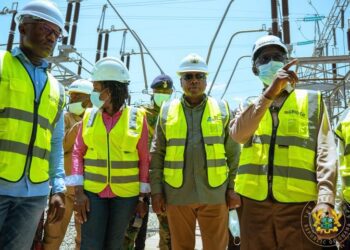
Mr. Alfred Appiah, a data and policy analyst, has raised critical questions regarding the government’s strategy to aggressively procure gold from the artisanal and small-scale mining (ASM) sector.
The initiative, spearheaded by the recently empowered Ghana Gold Board (GoldBod), aims to channel approximately 127 metric tons of ASM gold annually into national reserves to bolster foreign exchange and stabilize the cedi.
However, this ambitious “mopping up” exercise has come under fire for its perceived “policy incoherence,” as it appears to run parallel to a national crackdown on “galamsey” the very illegal mining activities that often supply the ASM value chain.
“Government needs to explain how it plans to mop up significantly more gold from the artisanal and small-scale mining (ASM) sector to bolster foreign reserves while also dealing decisively with galamsey.”
Mr. Alfred Appiah

The government’s plan, outlined in recent parliamentary briefings, targets a weekly purchase of 3.02 tonnes of gold through official channels, a move projected to generate over $20 billion in foreign exchange annually.



While the fiscal benefits of such a massive influx of bullion are clear, critics argue that the operational reality on the ground remains grim.
Productivity in the small-scale sector is notoriously low, and experts warn that “ramping up production in the small-scale sector would also mean more environmental destruction” unless radical technological shifts are implemented.
This creates a friction point where the state’s hunger for gold reserves may inadvertently incentivize the rapid, unregulated expansion of mining sites into forest reserves and water bodies.
The Environmental Toll of “Aggressive” Procurement

One of the primary concerns for extractive industry observers is the direct correlation between increased gold output and ecological degradation in the current ASM framework.
Without a comprehensive plan to modernize mining techniques, any directive to “mop up” significantly more gold risks turning the state into a “passive consumer” of galamsey-produced bullion.
Environmental advocates argue that the government must move beyond ceremonial rhetoric and provide a clear roadmap for how it intends to decouple gold production from the toxic use of mercury and the destruction of cocoa lands.
As things stand, the pressure to meet high reserve targets could lead to a “blind eye” approach toward the source of the gold, effectively rewarding the same illegal operators the state claims to be fighting.
Traceability Gaps and Financial Risks

The International Monetary Fund (IMF) and local analysts have also flagged significant “downside risks” related to the transparency and pricing of this gold purchase program.
Recent reports indicate that the Bank of Ghana’s gold-for-reserves initiative faced trading losses exceeding $214 million in 2025, partly due to high off-taker fees and “pricing inefficiencies” within the ASM doré transactions.
There is a growing demand for a “pit-to-refinery” traceability system to ensure that gold added to the national reserves is ethically sourced.
Without such a system, Ghana risks international “red-flagging” by bullion markets concerned about “conflict gold” or the laundering of illegally mined minerals through official state channels.
Potential Pushback and the “Pretense” of Reform

Pushback against this initiative is mounting from civil society groups who view the policy as a “risky economic gamble.”
According to Mr. Appiah, the fundamental mismatch between the government’s “anti-galamsey” narrative and its “pro–gold aggregation” reality suggests a lack of strategic alignment that could undermine public trust.
He added that if the government cannot “stop the pretense” and provide a detailed explanation of how it will formalize the sector without fueling environmental suicide, the policy may be seen as a desperate attempt to fix the economy at the cost of the country’s natural heritage.
Analysts warned that unless the GoldBod can guarantee that its purchases are not financing the “permanent loss of ecological capital,” the initiative will continue to face stiff resistance from both local stakeholders and international financial institutions.
READ ALSO: AU Voices Solidarity With Madagascar After Cyclone Gezani