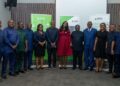
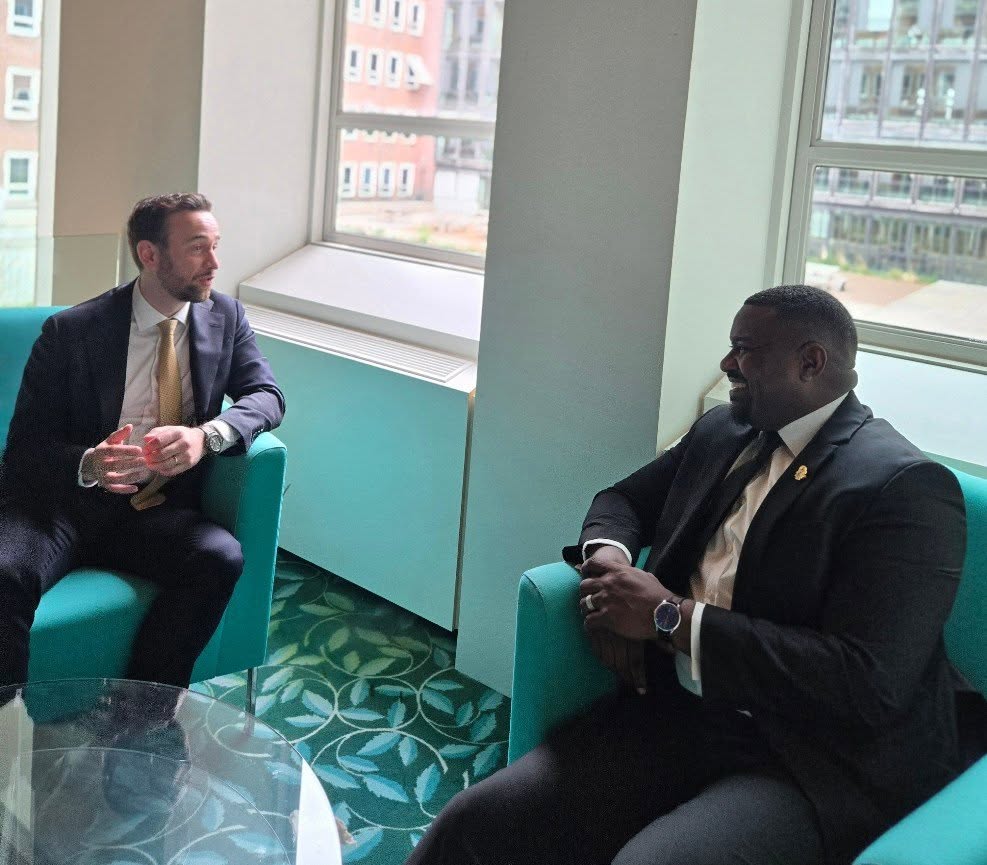
Ghana’s agricultural policy has experienced a significant international expansion this week as the Deputy Minister for Food and Agriculture, Hon. John Dumelo, led a high-level delegation to The Hague to institutionalize a robust framework for seed security and technical innovation.
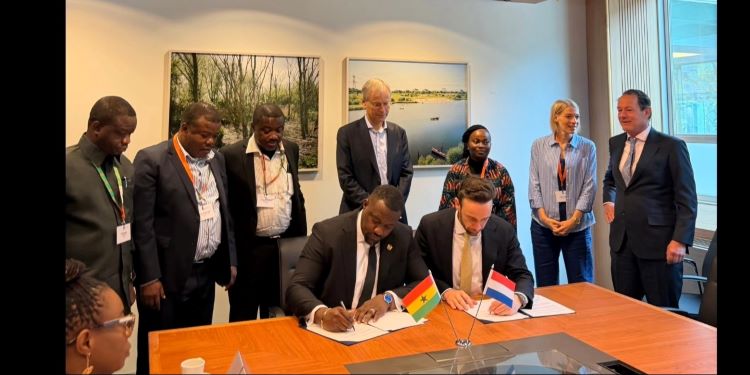
The mission, conducted at the invitation of the Kingdom of the Netherlands, involved signing a strategic addendum to the existing Memorandum of Understanding (MoU) originally established on May 28, 2025, positioning Ghana’s vegetable sector as the primary driver of its “all year-round farming,” policy.
“Together with Silvo Erkens, Minister of Food Security, Fisheries and Horticulture of the Netherlands, we signed the addendum… The collaboration will enhance sustainable agriculture and food security by strengthening seed systems, improving access to quality seeds, and promoting research, innovation, and partnerships”
Hon. John Dumelo, Deputy Minister for Food and Agriculture
This diplomatic engagement in the Netherlands is the international component of a broader, aggressive 2026 agricultural campaign. Before departing for Europe, Hon. John Dumelo conducted a series of field assessments in Ho, Keta, and Bimbila, and he is scheduled to transition directly from The Hague to the farming heartlands of Sankori, Dormaa, Sampa, and Sissala East and West.
This global-to-local strategy reflects a modernization of the Ministry’s approach, where international research and high-yielding inputs are directly integrated into the upcoming planting season’s tactical planning.
Core to the diplomatic mission was the formal signing of the addendum under the Food and Agriculture Working Group. Hon. John Dumelo and the Dutch Minister of Food Security, Fisheries and Horticulture, solidified a commitment that moves beyond general cooperation into specific, actionable steps.
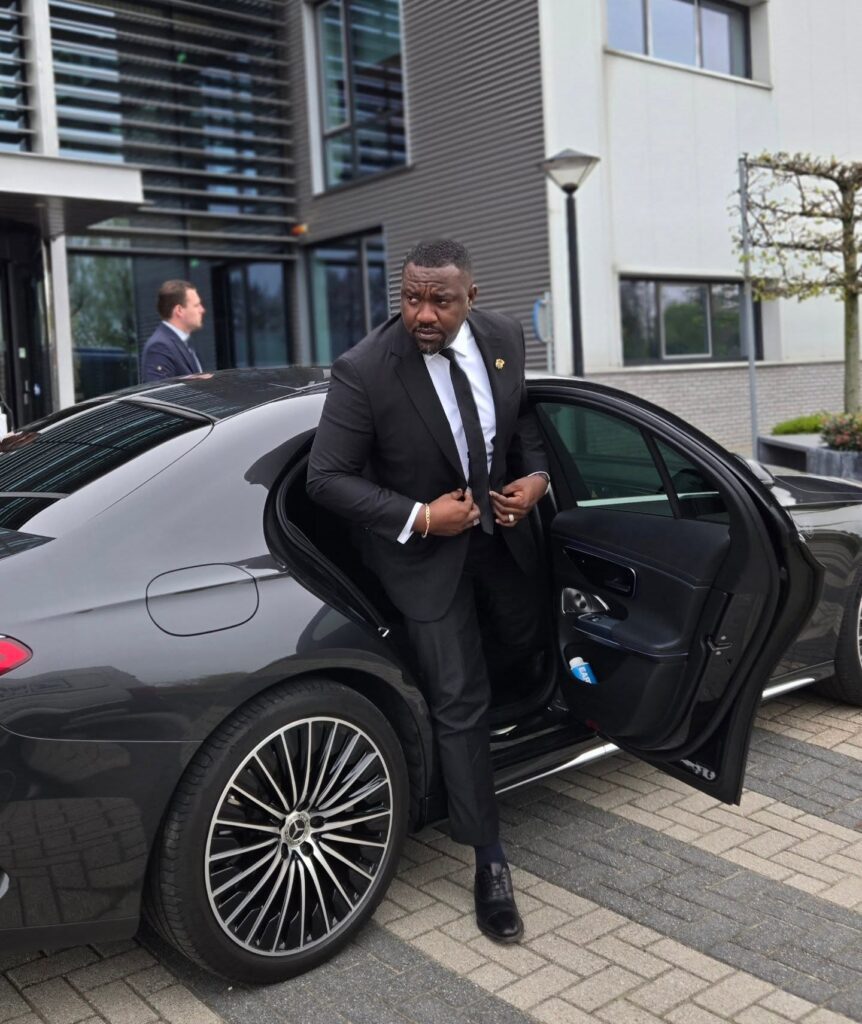
The Netherlands is globally recognized as the leader in horticultural technology and seed breeding. For Ghana, tapping into this expertise is a mechanical necessity to solve the perennial challenge of seasonal scarcity.
The 2026 strategy aims to break the reliance on rain-fed agriculture by providing seeds specifically bred for irrigation-fed, year-round production. This partnership is expected to reduce the national vegetable import bill, which remains a significant drain on foreign exchange reserves.
Integrating Global Research
The three-day working visit in the Netherlands extended beyond the signing rooms of The Hague. The Ghanaian delegation engaged in a comprehensive tour of the Dutch agricultural value chain, visiting world-class research institutions, specialized fertilizer plants, and major seed production facilities.
These site visits were intended to facilitate technology transfer, allowing Ghana to adapt Dutch precision farming techniques to the local soil and climatic conditions of regions like the Sissala districts and the Dormaa enclave.
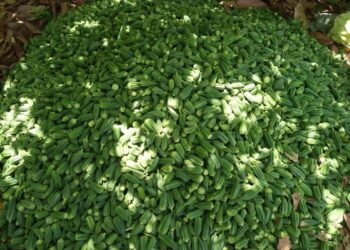
The focus on high-yielding vegetable seeds is a strategic choice, as vegetables offer a higher turnover rate and better profit margins for youth in agriculture compared to traditional cereal crops. Securing partnerships with Dutch seed producers, provides the foundational infrastructure needed for a greenhouse revolution in Ghana.
The goal is to create a self-sustaining ecosystem where local research institutions can eventually collaborate with Dutch firms to develop localized seed varieties that meet international export standards. While the diplomatic work in The Hague secures the inputs, the real work begins on the ground in Ghana.
Hon. Dumelo’s itinerary for the following week – indicates a move to synchronize these new international partnerships with the immediate needs of the new farming season. These regions are critical to Ghana’s food security, particularly in the production of vegetables and grains.
The Deputy Minister’s approach involves a direct consultative loop with the farmers, allowing the Ministry of Food and Agriculture (MoFA) see to it that the plans discussed in the Netherlands are applicable to the realities of the Ghanaian field. This ensures that the “high-yielding seeds,” are supported by the necessary fertilizer regimes and irrigation support systems.
It is a holistic attempt to move away from quantifiable metrics on paper to actual yield increases in the bags of local farmers. The internationalization of Ghana’s agricultural policy under the current administration highlights a shift toward strong food security.
In aligning with the Netherlands, Ghana is not just seeking aid, but strategic partnerships that treat the agricultural sector as a sophisticated industry. The focus on “strength, wisdom, courage and understanding” in the Deputy Minister’s personal reflections underscores the high stakes of this mission.
For him, if the 2025 MoU and its 2026 addendum are executed effectively, the result will be a more resilient food system that can withstand the volatility of global markets and local climate shifts.
As the three-day visit concludes, the Ministry of Food and Agriculture has a clear mandate for the rest of the year, with the seeds procured and the partnerships formed in the Netherlands forming part of the catalysts for a new era of Ghanaian farming.
The all year-round farming agenda is no longer a rhetorical goal but a technically backed reality supported by the world’s leading horticultural nation. The 2026 farming season will be the first major test of this Ghana-Netherlands alliance.
With the Deputy Minister heading directly to the northern and middle belts of the country, the government is signaling that the era of seasonal agriculture is ending.
READ ALSO: CDD Fellow: Free Primary HealthCare Best Thing to Happen to Ghana’s Health System