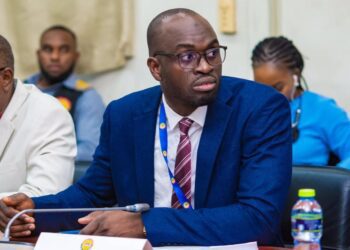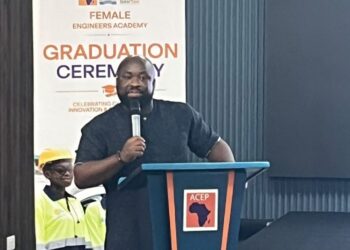
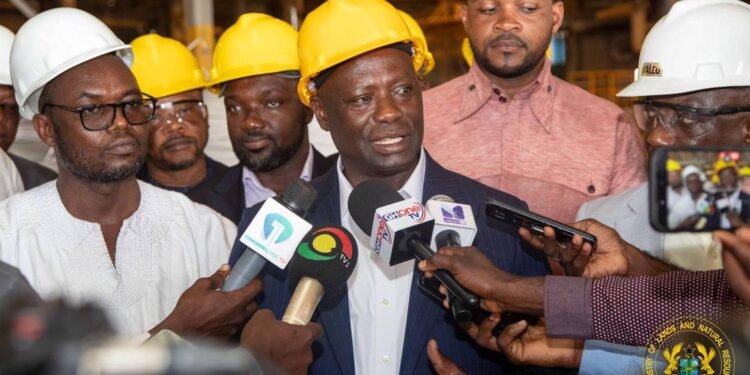
Hon. Emmanuel Armah-Kofi Buah, Minister for Lands and Natural Resources, has reaffirmed government’s commitment to translate the country’s national resources into economic growth as it leased the Damang Mines to Engineers and Planners (E&P), a successful indigenous bidder, following a rigorous and transparent tender process that now awaits parliamentary ratification.
This strategic move aims to leverage the technical capacity of local firms to ensure that the nation’s extractive wealth directly fosters sustainable prosperity and economic independence for the Ghanaian people.
“It is in this spirit that we reaffirm our commitment to ensuring that Ghana’s resources translate into sustainable prosperity and economic empowerment for the Ghanaian people.”
Hon. Emmanuel Armah-Kofi Buah
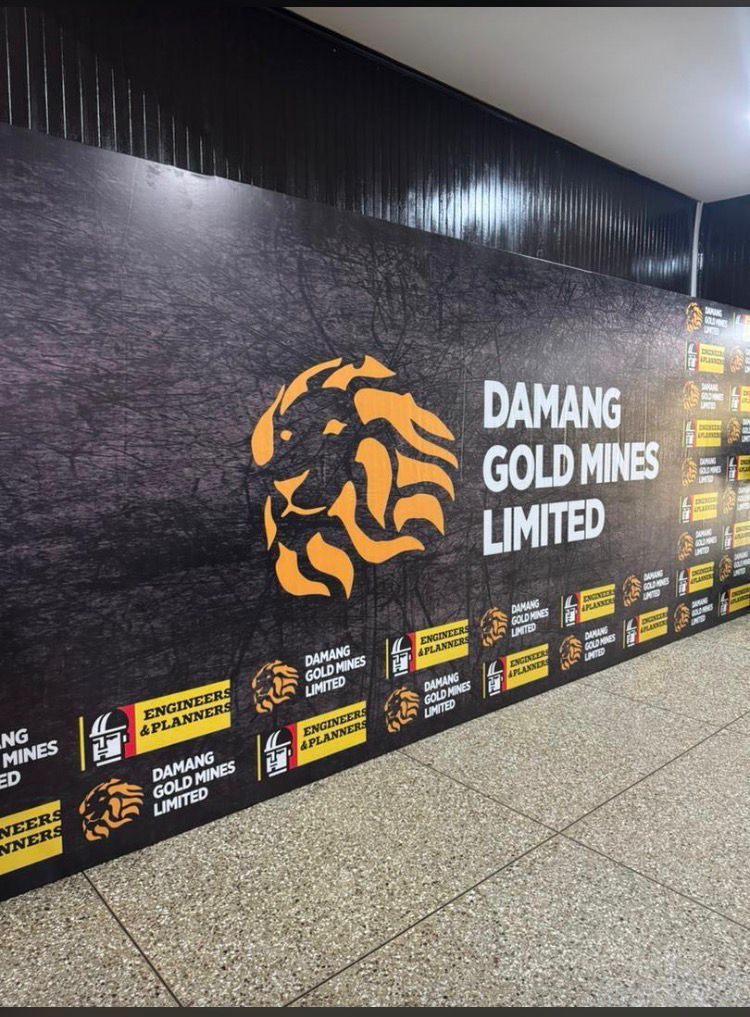
The decision to entrust the Damang mining lease to E&P is firmly aligned with the government’s comprehensive mining local content policy, which seeks to transform the extractive industry by empowering local entities to assume leading roles.
E&P, a firm with demonstrated expertise and proven capability, emerged as the successful applicant through a competitive process designed to identify the most viable partner to sustain operations at the asset.
By prioritizing indigenous leadership, the government is deliberately shifting away from models that historically saw profits repatriated abroad, aiming instead to ensure that mineral wealth is reinvested into the domestic economy to drive development.
Building Domestic Capacity and Value
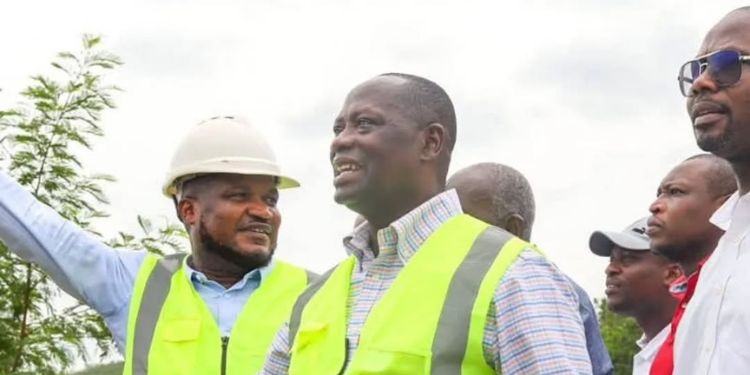
The integration of indigenous firms into high-stakes mining operations serves as a critical catalyst for national development.
By allowing Ghanaian companies like E&P to manage major assets, the state creates an environment where technology transfer, skills development, and industrial growth occur within the country’s borders.
This local content strategy is designed not only to create high-quality jobs but also to ensure that the infrastructure developed for mining such as roads and energy solutions provides broader socio-economic benefits to surrounding communities.
According to regulatory frameworks, the primary goal of these initiatives is the “full localisation” of the mining sector, thereby reducing reliance on expatriate expertise.
This approach encourages indigenous firms to invest in human capital, training local workers to handle complex operational roles.
Furthermore, when local companies dominate the value chain, the capital remains within the country, fueling local businesses and strengthening the national tax base, which is essential for funding essential social services and public projects.
Strategic Shift for the Mining Sector
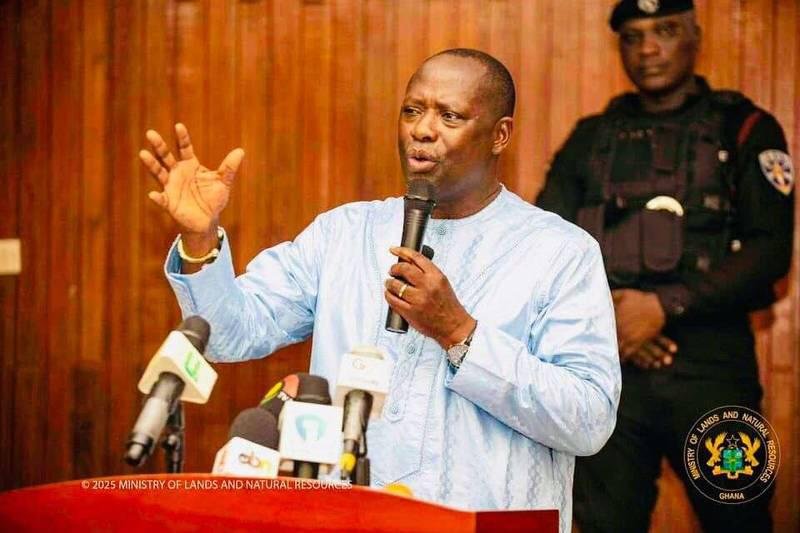
This development signals a significant inflection point for Ghana’s extractive industry, moving towards a future where sovereign management of resources is paramount.
The shift toward indigenous ownership is intended to shield the economy from external shocks and ensures that mining operations are more accountable to local communities and national interests.

Proponents argue that local owners have a vested interest in sustainable development, as they are part of the ecosystem where their projects operate.
Beyond immediate operations, this policy empowers the domestic private sector to compete on a global scale.
As these indigenous companies grow, they develop the institutional strength to take on even larger projects, effectively creating a feedback loop of prosperity.
This transition is expected to foster national pride while providing the economic stability required to transform Ghana’s mineral wealth into tangible, long-term national development that benefits generations to come.
READ ALSO: BoG Reports Mixed Economic Start to 2026