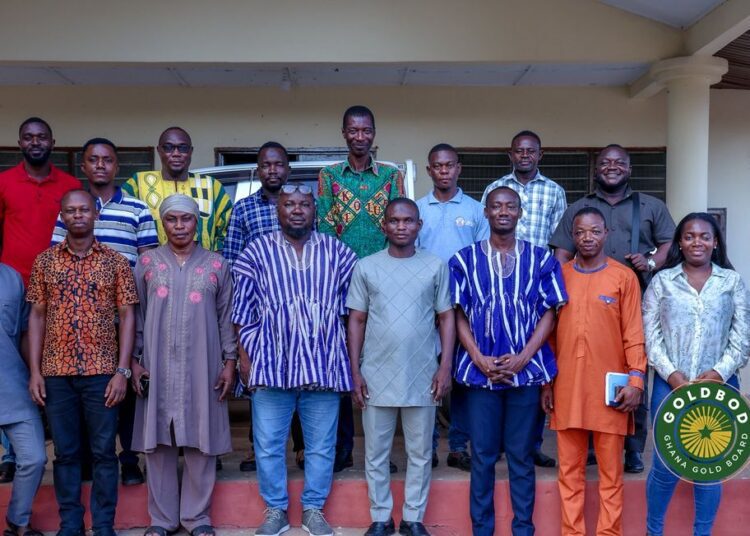
Ghana Gold Board (GoldBod) has launched its Mining Support Programme in the Upper West Region, extending a vital initiative designed to foster responsible small-scale mining and catalyze economic transformation within the mineralised zones of the Wa East District.
By integrating scientific geological surveys with community-based engagement, the state institution aims to establish a transparent framework that replaces the historical cycles of broken promises with sustainable, long-term development.
“The people of Funsi and surrounding communities in the Upper West Region have welcomed the Ghana Gold Board Mining Support Programme, expressing optimism that the initiative will bring jobs, responsible mining and economic transformation to the area.”
Ghana Gold Board (GoldBod)
This strategic expansion represents a broader national effort to formalize the artisanal and small-scale mining sector by providing technical assistance, equipment support, and structured market access to local operators.
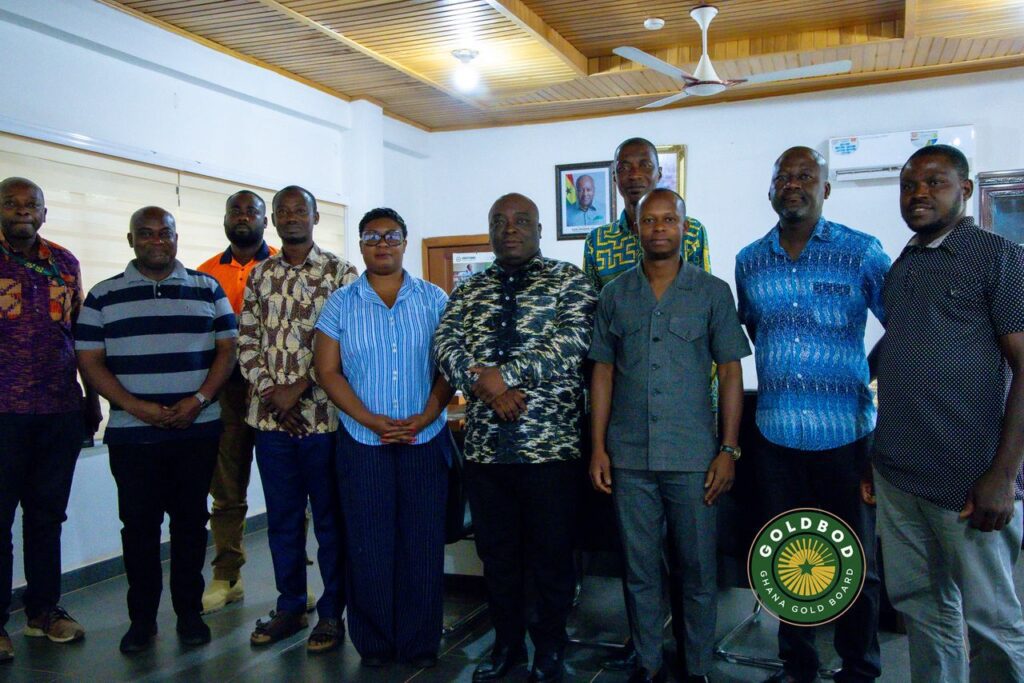
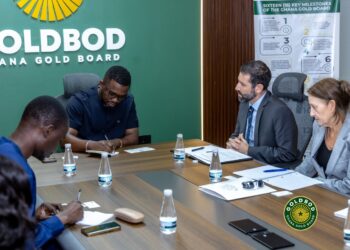
During recent stakeholder meetings held at Duu facilitated by the Wa East District Chief Executive, Shaibu Adamu representatives from GoldBod and the Ghana Geological Survey Authority met with traditional authorities, including the Chief of Duu, Naa Justin Bayong Hogi, and the Chief of Janfian, Naa Nwiituo Bakuli, to align the program with local community needs and development goals.
Ending Illegal Mining through Data-Driven Regulation
The reliance on scientific geological data is a fundamental shift in Ghana’s approach to curbing illegal mining, locally known as “galamsey.”
For decades, illegal miners have operated in the dark, exploring lands without proper geological maps or environmental oversight, which has led to widespread land degradation and water pollution.
By conducting comprehensive geological investigations, GoldBod and its partners can accurately identify mineral-rich zones, allowing the state to “block out” viable areas for regulated, legal operations.
This transformation moves the sector away from haphazard exploitation toward a model where miners receive legal backing, access to technology, and environmental guidance.
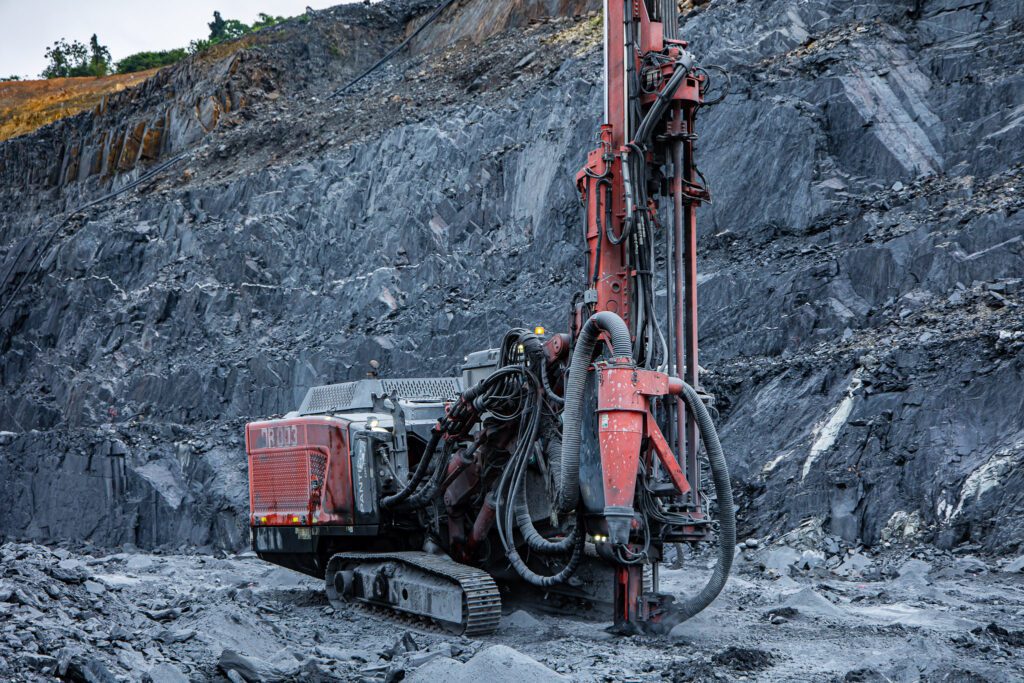
As mining expert observations have previously highlighted, approximately 90 percent of the solution to illegal mining lies in identifying and designating suitable areas for miners to operate legally.
When the state provides this technical foundation, it becomes possible to enforce environmental standards, minimize the use of toxic chemicals like mercury, and track gold production effectively.
This initiative effectively addresses the “information gap” that previously made illegal mining an attractive albeit dangerous alternative for many in the region.
Building Trust and Local Accountability
Community support has been a significant hurdle for previous mining initiatives, as residents in the Wa East District have often been skeptical due to the failure of past private mining companies to fulfill development commitments.
However, the involvement of GoldBod as a state institution has significantly altered the reception of the current programme.
During the stakeholder engagement, residents expressed a renewed sense of optimism, noting that the board’s mandate provides a higher level of assurance regarding transparency and long-term accountability.
The Member of Parliament for Wa East, Hon. Dr. Godfred Seidu Jasaw, participated in these preliminary discussions, underscoring the importance of political and traditional buy-in for the program’s success.
The unanimous agreement from the local communities to participate in the initiative demonstrates a collective readiness to abandon informal, destructive practices in favor of a structured system that guarantees economic benefits for the community.
Fostering Sustainable Livelihoods
Beyond the environmental protections offered by scientific oversight, the GoldBod program is designed to provide tangible economic empowerment.
By formalizing these mining operations, the government is creating a pathway for artisanal miners to transition from precarious work into legitimate, stable employment.

This includes access to equipment financing and rental services, which are critical for upgrading mining techniques and enhancing productivity without infringing upon the environment.
The initiative ensures that mining is treated not just as an extractive activity, but as a pillar for community development.
With structured market access, local miners can secure fairer prices for their gold, ensuring that the wealth generated stays within the district to fund education, health, and local infrastructure.
By aligning legal reforms with development initiatives, GoldBod is effectively building a sustainable future where Ghana’s mineral wealth safeguards both the environment and the people living above it.
READ ALSO: “You Made Greatness Look Normal” – Haaland Eulogizes Pep Guardiola