

Global oil prices fell further on Thursday while stock markets climbed after the agreement between the United States and Iran to reopen the Strait of Hormuz officially came into effect, raising hopes that one of the world’s most important energy shipping corridors will return to normal operations after weeks of heightened uncertainty.
The development marks the first full trading reaction since the implementation of the deal was confirmed, with investors responding to expectations that improved oil flows from the Gulf could ease global supply pressures and stabilise energy markets in the near term.
Pakistan, which played a mediating role in the negotiations, announced that the memorandum of understanding had been signed electronically by the presidents of the United States and Iran, allowing the agreement to take immediate effect.
The reopening of the strait is also expected to trigger sanctions waivers from the United States, enabling Iran to gradually resume oil exports to international markets, a move that could significantly alter global supply dynamics.
The memorandum of understanding has been signed electronically by the U.S. and Iranian presidents. The agreement will enter into force with immediate effect.
Pakistan Prime Minister Shehbaz Sharif , via X
Oil Markets Extend Losses On Supply Expectations
Brent crude, the global benchmark for oil, fell by nearly three percent to about US$77 per barrel, extending losses recorded in earlier sessions after news of the breakthrough agreement first emerged.
West Texas Intermediate (WTI), the U.S. benchmark, also declined by more than three percent to around US$73 per barrel.
The continued decline reflects growing expectations among traders that Iranian crude could soon return to international markets, increasing global supply at a time when demand concerns in key importing economies remain mixed.
Analysts say the speed at which prices adjust will depend largely on how quickly Iranian exports resume and whether shipping activity through the Strait of Hormuz returns to pre-conflict levels.
Strait Of Hormuz Returns To Focus
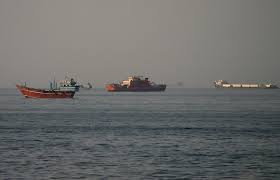
The Strait of Hormuz is one of the world’s most strategically important oil transit routes, with a significant share of global crude oil and liquefied natural gas shipments passing through the narrow waterway daily.
Any disruption to its operations has historically had an immediate impact on global energy prices, given its role in connecting key producers in the Middle East to major consumer markets in Asia, Europe and North America.
Market volatility surged earlier in the conflict when fears of prolonged closure pushed oil prices sharply higher. The latest agreement has now reversed much of that risk premium, at least in the short term.
While the reopening is being welcomed by markets, energy analysts caution that full normalisation of shipping operations may still take time, depending on logistical and security arrangements in the region.
Markets Rally As Risk Sentiment Improves
Global financial markets responded positively to the announcement, with investors shifting back into risk assets as concerns over energy disruptions eased.
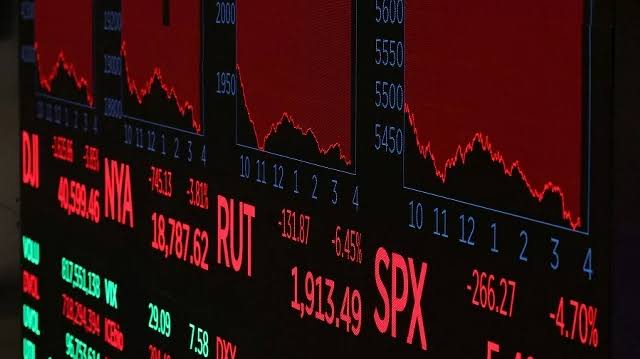
Futures tied to the S&P 500 pointed to gains of about 0.7 percent ahead of the opening of trading in the United States, signalling improved sentiment on Wall Street.
In Asia, Japan’s Nikkei 225 and South Korea’s benchmark indices both rose by about two percent, reflecting optimism in economies that are heavily dependent on imported oil and liquefied natural gas.
Hong Kong’s Hang Seng Index, however, moved in the opposite direction, falling by more than two percent, highlighting a more mixed regional response as investors assessed broader global economic risks alongside the energy outlook.
European markets were also expected to open higher, with traders betting that lower oil prices could help ease inflationary pressures and support corporate earnings.
Fuel Prices Begin To Reflect Crude Decline

The decline in crude oil prices has already started feeding through to retail fuel markets, particularly in the United States.
According to the American Automobile Association (AAA), the average price of gasoline fell below US$4 per gallon on Thursday for the first time since the early stages of the conflict, offering some relief to motorists.
Diesel prices also edged lower, averaging about US$5.13 per gallon, although both fuel types remain significantly higher than pre-conflict levels due to months of sustained volatility.
Analysts note that retail fuel prices typically lag behind crude movements by several days, meaning consumers could see further adjustments if oil prices remain under pressure.
Outlook Hinges On Implementation
Despite the immediate positive reaction from markets, attention is now shifting to how quickly the agreement is implemented and whether Iranian oil exports can return at scale.
The timing of sanctions waivers, the pace of export resumption, and the stability of shipping operations through the Strait of Hormuz are all expected to play a key role in determining the direction of oil prices in the coming weeks.
For now, the agreement has eased one of the most significant geopolitical risks weighing on global energy markets, offering cautious relief to oil-importing economies and consumers who have faced elevated energy costs throughout the conflict period.
If implementation proceeds smoothly, analysts say further downward pressure on oil prices is likely, potentially marking a shift toward a more stable global energy environment after months of turbulence.
READ MORE: BoG’s GH¢5m Capital Hike Sparks Community Bank Concerns