Business and Human Rights Resource Centre’s 2026 Transition Minerals Tracker has revealed that the global rush to secure copper, lithium, and other energy-transition minerals drove a massive 73% increase in human rights abuse allegations at major mining operations in 2025.
This alarming surge underscores the mounting social and environmental risks directly linked to the clean energy supply chain.
As governments and downstream manufacturers accelerate decarbonization efforts, the extraction of critical resources is increasingly associated with severe local disruptions, presenting a profound dilemma for the global transition to low-carbon technologies.
“Growing mineral demand is also fuelling environmental and human rights risks to Indigenous Peoples and local communities, as well as rising conflict between industry and communities where these harms materialize.”
Business and Human Rights Resource Centre’s 2026 Transition Minerals Tracker
The tracker specifically recorded 329 allegations of abuse last year, representing a stark escalation from the 156 cases documented in 2024.
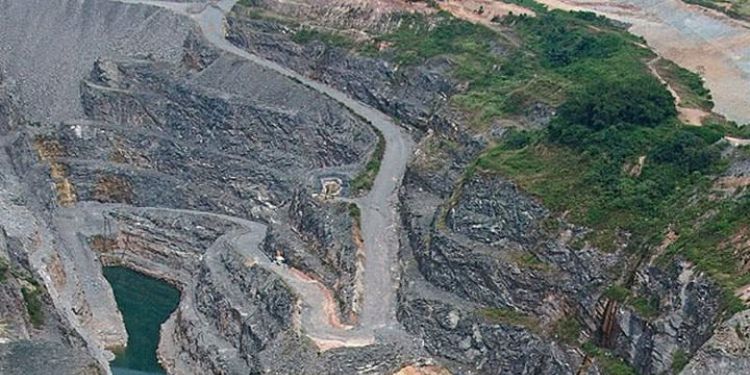
This spike brings the historical cumulative total since 2010 to 1,226 allegations distributed across 299 mining operations that produce essential transition commodities like copper, cobalt, lithium, nickel, and rare earth elements.
Furthermore, the escalation of industrial pressure has intensified physical safety risks, resulting in 42 documented attacks against human rights and environmental defenders, a figure that is more than 50% higher than the previous year’s metrics.
Regional Disparities and Sectoral Vulnerabilities
Geographically, South America remained the global territory with the highest raw number of recorded allegations, while Africa posted the sharpest escalation, with reported abuses more than doubling from a year earlier.
From a sectoral standpoint, copper mining alone accounted for about 60% of all recorded allegations in 2025, directly reflecting the metal’s central and indispensable role in global grid electrification and vehicle manufacturing.
The researchers pointed out that allegations are increasingly centering on critical issues such as severe water pollution, compromised worker safety, disputed land rights, and adverse impacts on Indigenous communities.
The data also reveals an acute equity imbalance, as Indigenous Peoples remained disproportionately affected, accounting for 17% of allegations despite representing only about 6% of the global population.
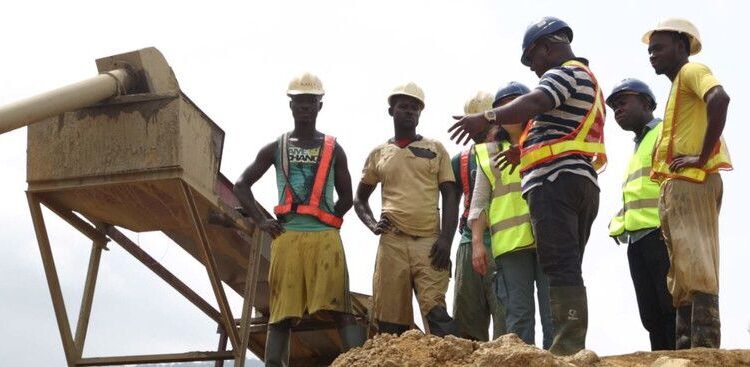
Concurrently, worker-related complaints surged to include 92 allegations involving labor rights or occupational health and safety issues, which tragically featured 22 corporate reports of work-related deaths.
Compounding these governance shortfalls, the tracker found that only 56% of the industrial mines associated with these public allegations were covered by any form of publicly available human rights policies.
Operational Disruptions and Supply Chain Geopolitics
Neglecting these community concerns and human rights protections ultimately threatens the stability of the energy transition itself by triggering widespread local resistance.
The resource center recorded 61 community protests, 10 labor strikes, and 44 lawsuits or regulatory actions linked to extraction operations throughout 2025, demonstrating an increasingly adversarial operating environment.
Critically, at least 27 of these documented cases resulted in direct mine suspensions, operational slowdowns, or total closures, proving that social friction has tangible economic consequences for global markets.
These ongoing disruptions create immediate, material risks for mining companies, international investors, and downstream manufacturers that depend entirely on a reliable, uninterrupted mineral supply.
According to the tracking organization, stronger human rights safeguards, meaningful community engagement, and fair benefit-sharing arrangements are essential to building resilient mineral supply chains.
Without implementing these systemic measures, the organization warned, rising opposition, litigation, and operational disruptions could deeply undermine both multi-billion-dollar mining investments and the broader global transition to low-carbon energy.
Implications for Mineral-Producing Developing Nations
For major mineral-producing countries across the Global South, this escalating friction presents a severe macroeconomic and governance challenge that risks triggering the classic “resource curse.”
When mining operations are suspended or legally challenged due to human rights violations, host governments face sudden drops in export revenues, fiscal deficits, and destabilized national currencies.

Furthermore, weak regulatory oversight and a lack of enforcement often leave local state institutions overstretched, worsening internal political instability and alienating foreign direct investment outside the mining sector.
To avoid long-term economic vulnerability, producing nations must pivot away from rapid, un-regulated extraction toward robust institutional frameworks that mandate corporate transparency and environmental restoration.
Governments that successfully enforce strict labor standards and protect indigenous land rights can position their mining sectors as premium, ethically sourced origins, preserving access to Western markets demanding clean supply chains.
Conversely, failure to mitigate these systemic abuses will likely lead to protracted legal battles, civil unrest, and stranded resource assets that hobble domestic economic development for decades.
READ ALSO: GES Proposes Yellow and Red Card System to Strengthen Discipline in Senior High Schools