The Minority has accused the government of mismanaging public resources while failing to deliver key projects promised to Ghanaians, warning that its policies could cost it political power in 2028. The caucus also challenged the Finance Minister to provide clearer evidence of expenditure and demonstrate how the government’s flagship initiatives are improving the lives of citizens.
The criticism followed the presentation of the Mid-Year Budget Review to Parliament, where the Minority Leader questioned the allocation of GH¢42 million for the construction of markets under the 24-Hour Economy policy. The caucus argued that the government should prioritise essential infrastructure such as hospitals before committing significant resources to new market projects.
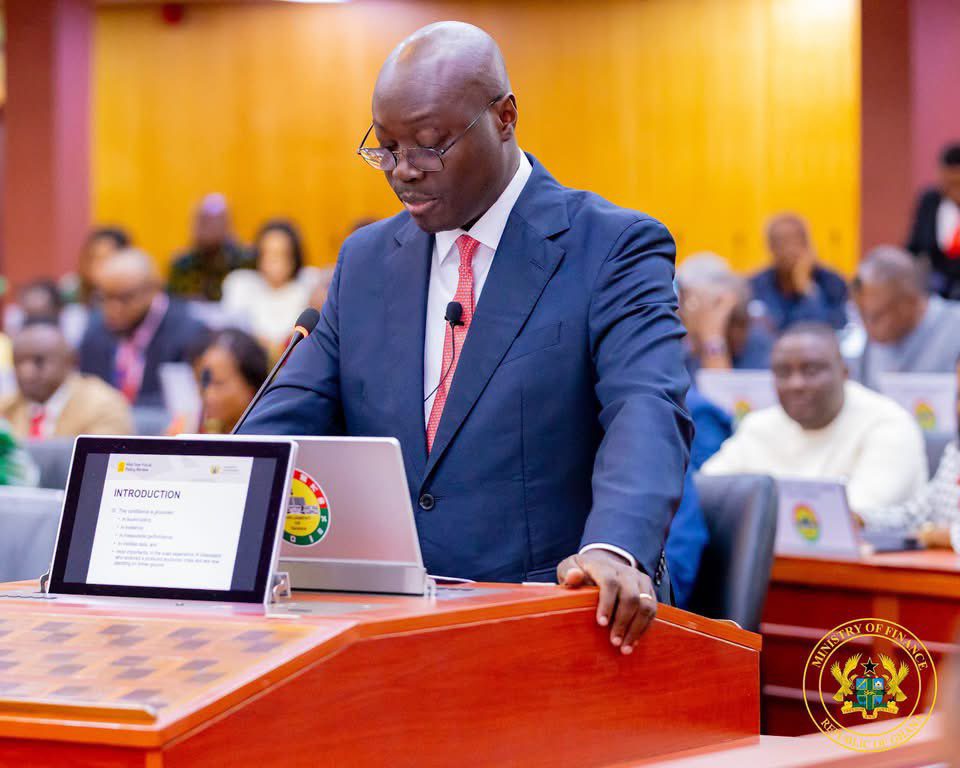
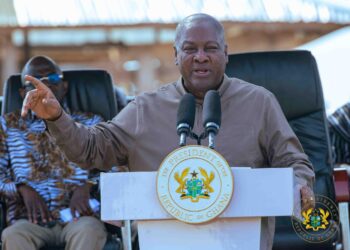
The Minority Leader and Member of Parliament for Effutu, Honourable Alexander Kwamena Afenyo-Markin has challenged the Finance Minister to match his policy announcements with visible action and proper accountability. Honourable Afenyo-Markin argued that the government has failed to complete projects under Agenda 111 while allocating substantial sums to the construction of markets.
According to him, the government’s decision to use allocations meant for assemblies to finance the 24-Hour Economy initiative raises questions about the actual source of funding for the programme. He also questioned the decision to release funds for markets while several communities continued to await promised hospitals.
“I want the Finance Minister to walk the talk. If you come here and you say 24-hour market at 42 million Ghana cedis and you have abandoned Agenda 111, the hospitals that should be your priority, then you are spending a whopping sum of 42 million.”
Honourable Alexander Kwamena Afenyo-Markin
Against this backdrop, the Minority Leader dismissed the Mid-Year Budget Review as lacking the policy direction required to inspire confidence in the economy. He also linked the government’s economic record to what he described as a growing climate of political intolerance.
Honourable Afenyo-Markin also cited the cases of Bernard Antwi Boasiako, popularly known as Wontumi, and other examples of individuals he considered political prisoners. He argued that the treatment of critics and political opponents have brought questions about the government’s commitment to democratic accountability.

The Effutu MP challenged the government to prepare for the consequences of its decisions. Drawing on a line from a poem, he warned that the political fortunes of the governing party could change in the next general election.
“Be careful. 2028, you will be in opposition. So I am advising you: let us all be measured. We will criticize you and we will hold your feet to the account.”
Honourable Alexander Kwamena Afenyo-Markin
The Minority Leader added that the opposition would continue to scrutinise government spending and demand accountability for every cedi allocated from the public purse. He also called for the release of persons he considered political prisoners while promising continued parliamentary resistance to policies the caucus considered harmful to the public interest.
Minority Questions Gold For Oil Losses And Government Spending
The Minority also challenged the government’s claims of prudent economic management, pointing to losses associated with the Gold for Oil programme and the financial charges imposed during its implementation. The caucus questioned the government’s presentation of expenditure without sufficient details on the beneficiaries and purposes of some payments.
Honourable Afenyo-Markin argued that the Minority warned against the high charges associated with the Gold for Oil policy when the Goldbod and the Bank of Ghana were reportedly charging 15 percent. He recalled that the rate was later reduced to nine per cent after intervention from the International Monetary Fund.
The Minority Leader linked the development to the recent decision by the Governor of the Bank of Ghana to withdraw from participation in the programme. In his view, the change came after substantial losses had already accumulated through the policy.

He placed the alleged losses at GH¢9.6 billion, citing figures attributed to the IMF, and questioned how the government could continue to present its economic management as prudent after the financial setbacks. The argument formed part of a wider challenge to the Finance Minister’s account of the economy during the Mid-Year Budget Review.
A separate issue raised by the Minority centred on the government’s explanation of payments made during the period under review. The caucus argued that the Finance Minister should have provided specific details on the recipients and purposes of the funds instead of presenting general figures.
“This Mid-Year review is full of English with empty payment. The payment he said he has done, why did he not give details?”
Honourable Alexander Kwamena Afenyo-Markin
Changing his focus to the government’s Akokɔ nkitinkiti initiative, Honourable Afenyo-Markin questioned whether the programme has been implemented in a manner that serve the national interest. He accused the government of turning public initiatives into benefits for party executives.
READ ALSO: Chris Rock Directs Star-Studded Return to Filmmaking with Misty Green